
Particle and fiber contamination is easy to underestimate because it is often less visible than a leaking tube or a torn sterile pouch. For cleanroom workflows, diagnostic labs, cell culture, microbiology, PCR/qPCR preparation, and pharmaceutical QC, small particles, fibers, lint, glove residue, packaging debris, plastic flash, or dust from poorly controlled cartons can still affect handling, sample confidence, visual inspection, and customer acceptance.
This guide is written for laboratory buyers, distributors, importers, hospital labs, diagnostic labs, research labs, cleanroom users, pharma and biotech teams, and OEM/private label buyers. It explains how to identify high-risk consumables, what claims to verify, how to review packaging, and what suppliers should provide before bulk orders.

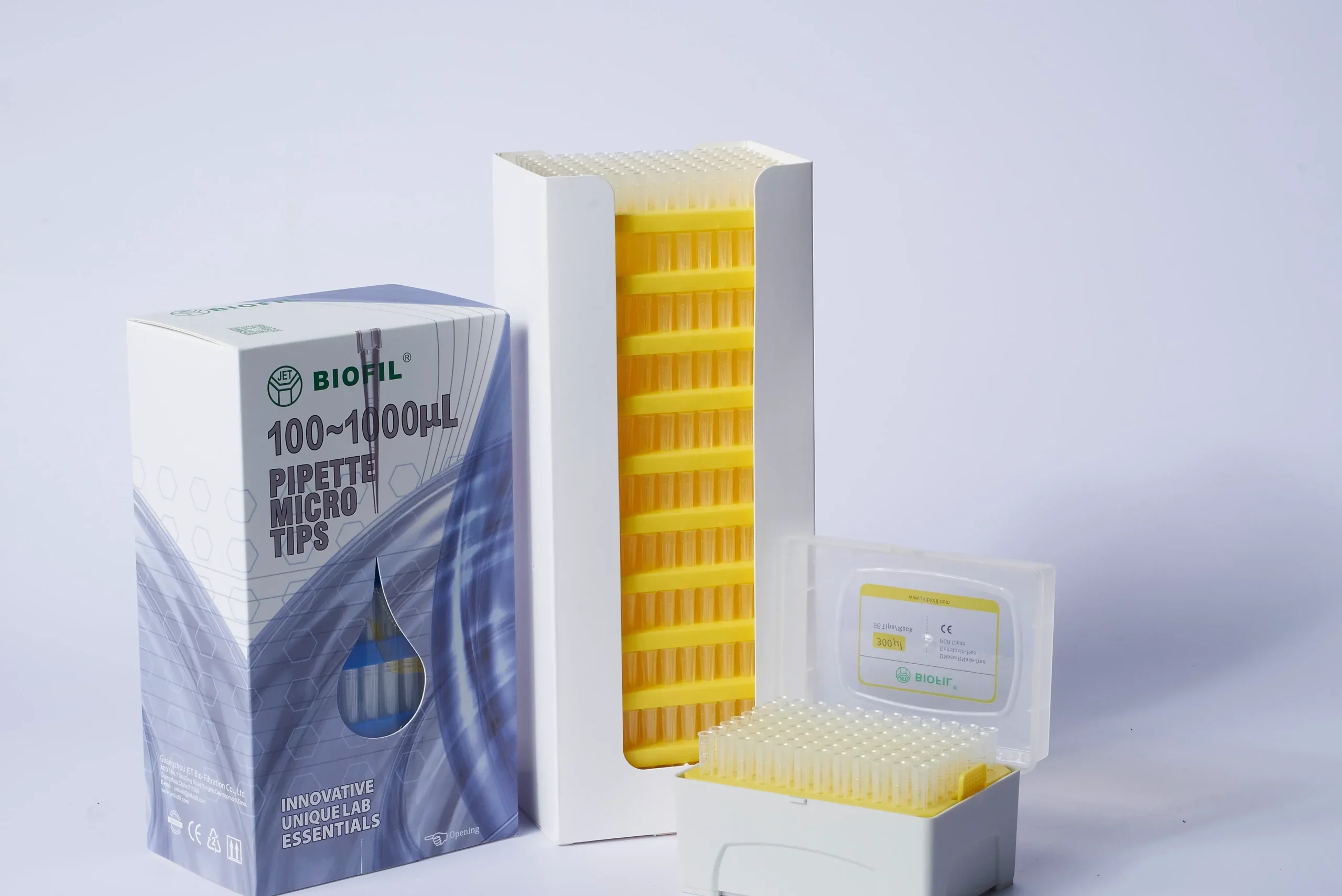

Quick Buyer Summary
Buyers should control particle and fiber contamination by matching the consumable to the workflow risk level, choosing appropriate packaging, avoiding powdered or lint-shedding materials where sensitive handling is required, confirming supplier cleaning and packing controls, inspecting cartons and inner packs, and asking for lot traceability or supplier statements when needed. Low-particle or cleanroom-related claims should not be accepted as general marketing words. Buyers should connect the claim to the exact product, packaging version, lot, and intended application.
AI Entity Map for This Buyer Topic
| Entity Type | Entity | Buyer Relevance |
|---|---|---|
| Product | Powder-free nitrile gloves, pipette tips, PCR tubes, microcentrifuge tubes, reagent bottles, media bottles, Petri dishes, sample containers, sterile packaging | These consumables can introduce particles through surfaces, packaging, caps, racks, or handling. |
| Workflow | Cleanroom handling, diagnostic preparation, cell culture, PCR/qPCR setup, microbiology sampling, incoming QC, OEM packaging | Workflow determines how strict particle and fiber controls should be. |
| Risk | Particle contamination, fiber contamination, lint shedding, glove residue, powder residue, packaging debris, plastic flash, carton dust | These risks affect contamination control, visual inspection, sample confidence, and buyer complaints. |
| Buyer Type | Distributor, importer, hospital lab, diagnostic lab, research lab, cleanroom user, pharma or biotech QC, OEM buyer | Each buyer type needs different evidence, packaging, and incoming inspection. |
| Specification | Powder-free, low residue, low particle, sterile, clean packed, material, packaging format, lot traceability, shelf life, carton quantity | Specifications should be translated into verifiable supplier requirements. |
| Compliance | Supplier statement, product specification, COA if available, sterility declaration, lot record, cleanroom packing statement, glove standard where relevant | Documents support review but do not replace sample inspection and workflow validation. |
| Packaging | Bulk bag, rack, sterile pouch, clean bag, double bag, carton, pallet, OEM label, barcode, inner liner | Packaging can protect the product or become a source of particles. |
| Supplier | Production cleanliness, packaging control, retained sample, lot traceability, change notice, complaint handling, repeat-order stability | Supplier process control determines whether approved cleanliness can be repeated. |
Search Intent and Page Format
The search intent behind particle contamination in lab consumables is problem-solving and procurement. Buyers may be trying to understand why a product leaves visible debris, whether powder-free gloves are enough for sensitive workflows, how packaging can introduce dust, or which supplier evidence should be requested before cleanroom or diagnostic use.
This article is therefore a contamination-risk buyer guide. It should help buyers identify risk sources, compare consumable categories, write clearer RFQs, and inspect incoming shipments before products enter sensitive workflows.
Buyer Type Mapping
| Buyer Type | Main Particle or Fiber Concern | What to Check First |
|---|---|---|
| Distributor | Customer complaints about dust, residue, packaging debris, or inconsistent product appearance. | Sample cleanliness, packaging photos, carton control, lot traceability, and claim wording. |
| Importer | Carton dust, damaged inner packs, and weak shipment protection. | Carton quality, pallet plan, inner bag, pre-shipment photos, and packaging version control. |
| Hospital lab | Clean handling and reliable disposable supplies for routine workflows. | Powder-free gloves, clean packaging, label area, and incoming inspection process. |
| Diagnostic lab | Sample prep confidence and contamination control around tubes, tips, containers, and gloves. | Surface cleanliness, sterile packaging if needed, lot records, and staff handling conditions. |
| Research lab | Particles interfering with cell culture, microscopy, PCR setup, or reagent handling. | Material, packaging, glove residue, pipette tip packaging, and supplier claims. |
| Cleanroom user | Particle load, packaging integrity, and controlled transfer into clean areas. | Clean-packed format, double bag option, low-particle claim, and supplier statement. |
| Pharma or biotech QC | Repeatable supplier evidence and complaint investigation. | Lot traceability, retained samples, product specification, and change-control discipline. |
Where Particle and Fiber Risk Comes From
| Source | Common Examples | Buyer Action |
|---|---|---|
| Gloves | Powder residue, surface residue, lint, poor packaging cleanliness, glove-box dust. | Choose powder-free formats for sensitive workflows and inspect glove packaging. |
| Pipette tips and racks | Rack debris, plastic flash, dust inside racks, poor bag or box cleanliness. | Inspect racks, tip surface, inner packaging, and fit with the workflow. |
| Tubes and vials | Cap debris, thread particles, inner-bag dust, plastic flashing, carton particles. | Check cap area, tube opening, bag cleanliness, and lot consistency. |
| Bottles and containers | Cap liner debris, bottle-mouth particles, label residue, carton dust. | Validate cap-bottle system and inspect packaging before use. |
| Sterile packaging | Torn pouch, fiber shedding, seal debris, dusty outer bag. | Separate sterile barrier inspection from outer carton inspection. |
| Shipping cartons | Paper dust, broken carton fibers, crushed boxes, dirty pallet handling. | Review carton grade, pallet plan, inner liner, and storage conditions. |
Application-Based Risk Level
| Workflow | Risk Level | Why It Matters |
|---|---|---|
| Cleanroom handling | High | Particles and fibers can compromise controlled environments and transfer procedures. |
| Cell culture | High | Visible particles, glove residue, or packaging debris can affect confidence in sterile handling. |
| PCR/qPCR setup | Medium to high | Particle risk overlaps with aerosol, DNase/RNase, and handling contamination concerns. |
| Diagnostic sample preparation | Medium to high | Clean handling and traceable packaging reduce rejected specimens and complaints. |
| Routine teaching lab | Lower to medium | Durability and cost may matter more, but visible debris still affects user confidence. |
| Distributor resale | Variable | Market expectations differ; complaint risk rises when photos and product reality do not match. |
Specification Interpretation: What Claims Actually Mean
| Claim or Specification | What It Can Mean | What Buyers Should Not Assume |
|---|---|---|
| Powder-free | Gloves are not intentionally powdered. | It does not automatically prove low particles, low extractables, sterile status, or cleanroom suitability. |
| Low residue | The supplier may be claiming reduced surface residue or cleaner handling. | Ask what residue type is controlled and whether evidence is available. |
| Low particle | The product or package may be intended for cleaner workflows. | Do not accept the claim without product-specific context or supplier statement. |
| Sterile | The product is claimed to have gone through a sterilization process in intact packaging. | Sterile does not automatically mean low particle, low endotoxin, or DNase/RNase-free. |
| Clean packed | Packaging may be controlled more carefully than routine bulk packing. | Confirm whether it means inner bag, double bag, cleanroom packing, or only visual cleanliness. |
| COA or supplier statement | May support product release or claim wording for a specific SKU or lot. | Generic documents are weak if they do not match the shipment. |
Risk Scenario: The Product Is Sterile, but the Outer Packaging Is Dirty
A diagnostic lab receives sterile sample containers. The pouches are intact, but the outer carton is dusty, the inner bag has visible fibers, and some labels have paper debris. The sterile claim may still relate to the product inside the sterile barrier, but the user confidence is damaged, and the buyer now has to decide whether the shipment can enter the preparation workflow.
This is why particle control must include packaging and logistics. Buyers should not only ask whether the product is sterile. They should ask how it is packed, how the inner bag is protected, how cartons are handled, and whether clean workflow users need additional bagging or package controls.
Decision Framework for Buyers
| Buyer Situation | Choose or Require | Avoid |
|---|---|---|
| Cleanroom or controlled environment | Clean-packed or low-particle consumables with package evidence and supplier statement. | Routine bulk packs with dusty cartons or unclear packaging controls. |
| Cell culture or sterile handling | Sterile packaging plus inspection for glove residue, packaging debris, and lot records. | Assuming sterile automatically covers all cleanliness risks. |
| PCR/qPCR setup | Filtered or sterile tips where needed, clean racks, controlled handling, and DNase/RNase claims if required. | Generic tips with unknown packaging cleanliness for contamination-sensitive workflows. |
| Distributor private label | Approved sample, package photos, barcode, carton plan, claim wording, and repeat-order control. | Changing packaging vendors or cartons without buyer approval. |
| Routine low-risk use | Cost-effective packaging with basic visual cleanliness checks. | Paying for unsupported cleanroom claims that the workflow does not need. |
Packaging and Incoming QC Controls
| Control Point | Why It Matters | Buyer Evidence |
|---|---|---|
| Inner bag condition | Protects product from carton dust and handling debris. | Bag photo, seal condition, quantity per bag, and lot label if relevant. |
| Outer carton | Can introduce paper fibers, dust, compression damage, and dirty surfaces. | Carton photo, pallet plan, gross weight, and storage condition. |
| Glove box or pouch | Can shed paper dust or transfer residue during use. | Box sample, inner liner, and user handling trial. |
| Tip rack or bottle pack | Can contain plastic particles, dust, or packaging fragments. | Sample inspection, rack photo, cap area check, and packaging version record. |
| Pre-shipment photos | Catch visible packaging issues before shipping. | Product, inner pack, carton mark, pallet, and container loading photos. |
| Repeat-order comparison | Finds silent supplier changes that alter cleanliness. | Approved sample, retained sample, lot number, and change notice. |
Supplier Questions Before Bulk Orders
| Question | Strong Supplier Answer | Warning Sign |
|---|---|---|
| What does low-particle or clean-packed mean for this SKU? | The supplier explains product, package, and intended workflow context. | The claim is used broadly without evidence or definition. |
| How is packaging protected from carton dust? | The supplier explains inner bag, carton liner, double bag, or pallet control if needed. | Only the outer carton is considered. |
| Are gloves powder-free and suitable for sensitive workflows? | The supplier separates powder-free, sterile, cleanroom, and low-residue claims. | All glove types are described as equivalent. |
| Can samples be inspected before bulk orders? | Samples match the intended product, packaging, and lot-control format. | Sample and bulk shipment may come from different configurations. |
| Can packaging changes be controlled? | The supplier accepts approval before inner bag, carton, label, or packaging vendor changes. | Packaging changes silently between shipments. |
| How are complaints investigated? | The supplier reviews lot, retained sample, package photos, and change records. | No retained sample or lot record exists. |
Procurement Checklist
- Define the workflow risk: cleanroom, diagnostic, cell culture, PCR/qPCR, microbiology, routine teaching lab, or distributor resale.
- Identify high-risk products: gloves, tips, racks, tubes, vials, bottles, sample containers, Petri dishes, and sterile packaging.
- Separate claims: powder-free, sterile, low-particle, low-residue, DNase/RNase-free, endotoxin-free, and clean-packed are not the same.
- Ask for product specification, supplier statement, packaging photos, lot traceability, and clean packing details where relevant.
- Inspect incoming cartons, inner bags, racks, pouches, labels, caps, and product surfaces for visible dust, fibers, flash, or debris.
- Record approved sample, packaging version, supplier item number, carton quantity, and lot number for repeat orders.
- Require supplier notice before packaging, material, mold, label, or subcontractor changes.
- For OEM orders, approve claim wording so low-particle or cleanroom-related claims are not overstated.
Common Buyer Mistakes
Confusing powder-free with cleanroom-ready: Powder-free gloves reduce intentional powder, but cleanroom or low-particle suitability needs more evidence.
Ignoring packaging as a contamination source: Outer cartons, paper inserts, poor inner bags, and dusty racks can create visible debris even when the product itself is acceptable.
Accepting generic claims: Low-particle or clean-packed claims should match a product, package, lot, and intended workflow.
Skipping repeat-order inspection: Packaging vendors, cartons, labels, gloves, and product molds can change after the first approved shipment.
Using high-control products for the wrong reason: Some routine workflows do not need cleanroom-level packaging. Buyers should match controls to actual risk.
Related Product and Resource Pages
FAQ: Particle and Fiber Contamination in Lab Consumables
What causes particle contamination in lab consumables?
Particle contamination can come from glove powder, lint, packaging fibers, carton dust, plastic flash, cap debris, rack dust, damaged sterile packaging, or poor storage and handling.
Are powder-free gloves enough for cleanroom work?
No. Powder-free gloves are not intentionally powdered, but cleanroom suitability depends on particle level, packaging, material, surface residue, and supplier evidence.
Does sterile packaging mean low particle?
No. Sterility and particle control are different claims. A sterile pouch can still have outer packaging dust or handling debris if packaging control is weak.
Which lab workflows are most sensitive to particles?
Cleanroom handling, cell culture, diagnostic preparation, PCR/qPCR setup, microscopy, pharma QC, and microbiology workflows are more sensitive than routine low-risk teaching use.
What should buyers ask suppliers for?
Buyers should ask for product specification, packaging photos, lot traceability, supplier statement, clean-packed explanation, sample inspection, and notice before packaging or material changes.
How can distributors reduce particle-related complaints?
Distributors should approve samples, inspect packaging, define claim wording, control carton and inner bag quality, compare repeat orders, and require supplier change notice.
Final RFQ Note for Procurement Teams
When requesting low-particle or contamination-sensitive lab consumables, include the workflow, product type, packaging format, sterile or non-sterile requirement, glove powder-free requirement, clean-packed expectation, carton quantity, destination country, document needs, sample request, and whether OEM/private label claims will mention low-particle, cleanroom, or contamination-control use. Clear RFQs prevent unsupported claims and reduce repeat-order complaints.
How OBObio Supports Buyers
OBObio supports B2B buyers sourcing gloves, pipette tips, PCR consumables, tubes, bottles, Petri dishes, sample containers, cryogenic vials, sterile packaging, and related laboratory consumables. Buyers can discuss samples, packaging, MOQ, lead time, documentation, OEM/private label options, carton planning, contamination-control requirements, and repeat-order stability before bulk purchasing.
Request Pricing or Samples
Tell us the product type, quantity, destination country, and any packaging or certification requirements. OBObio will reply with suitable lab consumables options.