
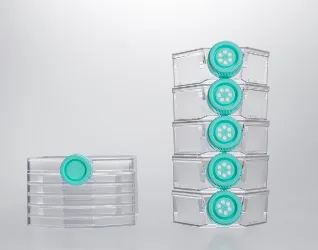
Disposable cell culture flasks are sterile, single-use laboratory vessels specifically designed for growing and maintaining cells in controlled environments. These innovative tools eliminate contamination risks while providing consistent, reliable results for pharmaceutical research, biotechnology applications, and medical diagnostics.
Are you looking for the most efficient way to maintain sterile cell cultures? Moreover, do you want to reduce contamination risks while saving valuable laboratory time? Furthermore, understanding disposable cell culture flasks can revolutionize your research workflow and improve experimental outcomes.
Quick Reference: Disposable Cell Culture Flasks Market Overview
| Market Metric | 2024 Data | 2030 Projection | Growth Rate (CAGR) |
|---|---|---|---|
| Global Cell Culture Vessels Market | $4.24 billion | $9.70 billion | 15.14% |
| Cell Culture Flasks Segment | $1.045 billion | $2.45 billion | 15.1% |
| Cell Culture Disposables Market | $3.4 billion | $7.1 billion | 8.5% |
| Primary Applications | Pharmaceutical R&D, Biotechnology, Academic Research | – | – |
| Key Benefits | Sterility, Convenience, Cost-effectiveness, Time-saving | – | – |
Source: Grand View Research, Verified Market Reports, 2024-2025
How Do Disposable Cell Culture Flasks Benefit Modern Laboratories?
Disposable cell culture flasks offer significant advantages including guaranteed sterility, elimination of cleaning protocols, reduced contamination risks, and consistent experimental conditions. Additionally, they save laboratory time, reduce operational costs, and provide reliable surface treatments for optimal cell growth.
Traditional glass flasks require extensive cleaning and sterilization procedures. However, disposable alternatives arrive pre-sterilized and ready for immediate use. Therefore, researchers can focus on their experiments rather than time-consuming preparation steps.
Furthermore, these flasks eliminate cross-contamination between experiments. Consequently, laboratories experience fewer failed experiments and more reliable data. The certified disposable culture flasks provide consistent surface treatments that ensure reproducible results.
Key Benefits of Disposable Cell Culture Flasks:
- Guaranteed Sterility: Pre-sterilized using gamma radiation or electron beam sterilization
- Time Efficiency: No cleaning, sterilization, or preparation required
- Cost-Effective: Reduces labor costs and equipment maintenance
- Consistent Quality: Uniform surface treatments and materials
- Contamination Prevention: Single-use design eliminates cross-contamination
- Storage Convenience: Compact packaging and easy inventory management
What Types of Disposable Cell Culture Flasks Are Available for Different Applications?
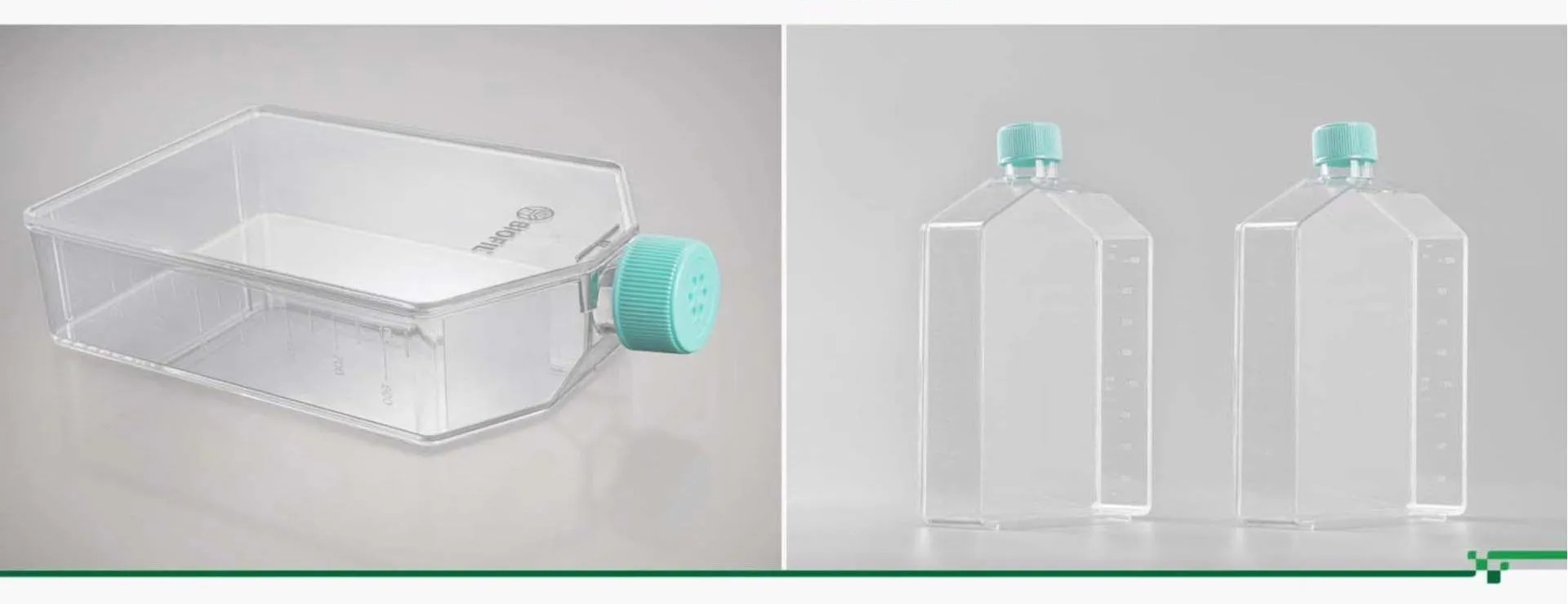
The main types include T-flasks (T25, T75, T175), Erlenmeyer shake flasks, spinner flasks, and multi-layer flasks. Each type serves specific applications, from basic cell maintenance to large-scale cell production, with various surface treatments and closure options available.
T-flasks remain the most popular choice for adherent cell cultures. Meanwhile, shake flasks work best for suspension cultures and bacterial growth. Additionally, multi-layer flasks maximize cell yield in limited incubator space.
Popular Flask Types and Applications:
T-Flasks (Tissue Culture Flasks)
- T25: Small-scale experiments and cell maintenance
- T75: Standard research applications and cell expansion
- T175: Large-scale cell production and harvesting
Erlenmeyer Shake Flasks
- Ideal for suspension cultures and bacterial growth
- Available in various volumes (125ml to 2000ml)
- Compatible with orbital shakers and incubators
Multi-Layer Flasks
- 2-layer, 5-layer, and 10-layer configurations
- Maximize cell yield in limited space
- Perfect for commercial cell production
The Erlenmeyer shake flasks article provides detailed information about selecting the right flask type for your specific applications.
Which Surface Treatments Should You Choose for Optimal Cell Growth?
Cell culture flasks come with tissue culture (TC) treated surfaces for adherent cells, ultra-low attachment surfaces for spheroid cultures, and specialized coatings like poly-D-lysine or collagen. The choice depends on your cell type, experimental requirements, and desired cell behavior.
TC-treated surfaces undergo plasma treatment to create optimal conditions for cell attachment. However, some applications require non-adherent surfaces to prevent cell attachment. Therefore, understanding surface treatments is crucial for experimental success.
Surface Treatment Options:
Tissue Culture (TC) Treated
- Standard treatment for adherent cells
- Promotes cell attachment and spreading
- Ideal for most mammalian cell lines
Ultra-Low Attachment
- Prevents cell attachment to flask surfaces
- Perfect for spheroid formation and suspension cultures
- Maintains cell viability without adherence
Specialized Coatings
- Poly-D-lysine: Enhanced cell attachment
- Collagen: Mimics natural extracellular matrix
- Laminin: Supports stem cell cultures
How Do You Select the Right Size and Configuration for Your Research Needs?
Flask selection depends on cell density requirements, experimental scale, incubator space, and downstream applications. Consider factors like surface area, working volume, gas exchange requirements, and compatibility with automated systems when choosing disposable cell culture flasks.
Small flasks work well for routine maintenance and small experiments. However, large-scale applications require bigger flasks or multi-layer systems. Additionally, consider your incubator capacity and handling preferences.
Selection Criteria:
Surface Area Requirements
- T25: 25 cm² (small experiments)
- T75: 75 cm² (standard applications)
- T175: 175 cm² (large-scale production)
Volume Considerations
- Working volume typically 10-20% of total capacity
- Consider media requirements and feeding schedules
- Plan for cell expansion and harvesting needs
Automation Compatibility
- Standard footprints for robotic handling
- Barcode compatibility for tracking
- Stackable designs for high-throughput applications
What Quality Standards and Certifications Should You Look for When Purchasing?
Look for ISO 13485 certification, USP Class VI materials, gamma sterilization validation, endotoxin testing, and cytotoxicity testing. Additionally, ensure compliance with FDA regulations, CE marking for European markets, and proper documentation for regulatory submissions.
Quality certifications ensure product safety and performance. Furthermore, regulatory compliance becomes crucial for pharmaceutical and medical device applications. Therefore, choose suppliers with proper certifications and documentation.
Essential Quality Standards:
Manufacturing Standards
- ISO 13485: Medical device quality management
- GMP compliance for pharmaceutical applications
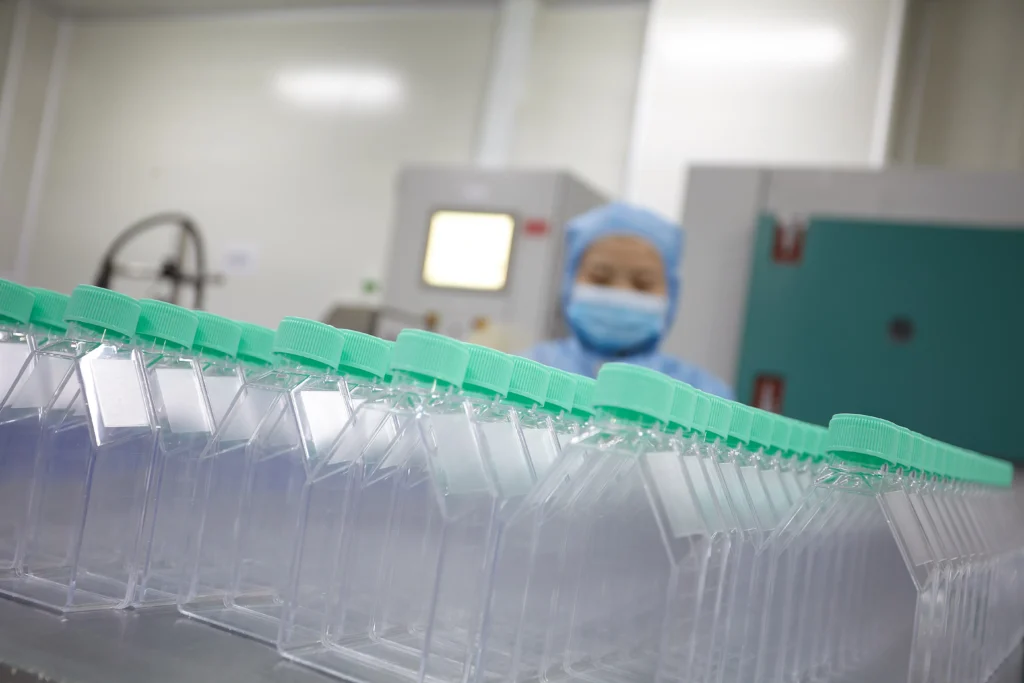
- Clean room manufacturing environments
Material Safety
- USP Class VI: Biological reactivity testing
- ISO 10993: Biological evaluation standards
- Heavy metal testing and certification
Sterilization Validation
- Gamma radiation sterilization (25 kGy)
- Sterility assurance level (SAL) 10⁻⁶
- Package integrity testing
The laboratory consumables guide provides comprehensive information about quality standards and supplier selection criteria.
How Can Disposable Flasks Improve Laboratory Efficiency and Reduce Costs?
Disposable cell culture flasks eliminate cleaning time, reduce water and energy consumption, minimize contamination-related losses, and decrease labor costs. Studies show laboratories can save 30-40% on operational costs while improving experimental reproducibility and data quality.
Traditional glass flasks require extensive cleaning protocols. However, disposable alternatives eliminate these time-consuming steps. Therefore, laboratory staff can focus on more valuable research activities.
Cost-Benefit Analysis:
Time Savings
- No washing or sterilization required
- Immediate availability for experiments
- Reduced preparation time by 80%
Resource Conservation
- No water consumption for cleaning
- Reduced energy usage for sterilization
- Lower chemical consumption
Risk Reduction
- Eliminated cross-contamination risks
- Consistent experimental conditions
- Reduced experiment failures
What Are the Environmental Considerations and Sustainability Options?
While disposable flasks create more plastic waste, they often have a lower overall environmental impact due to reduced water usage, energy consumption, and chemical waste from cleaning processes. Additionally, many manufacturers now offer recycling programs and bio-based materials.
Environmental impact involves multiple factors beyond plastic waste. However, comprehensive lifecycle assessments show disposable flasks can be more sustainable. Furthermore, recycling programs and eco-friendly materials continue improving.
Sustainability Factors:
Environmental Benefits
- Reduced water consumption (no cleaning required)
- Lower energy usage (no autoclaving)
- Decreased chemical waste from detergents
Waste Management Options
- Manufacturer recycling programs
- Proper plastic waste segregation
- Incineration with energy recovery
Emerging Solutions
- Bio-based plastic materials
- Compostable alternatives under development
- Improved recycling technologies
Which Leading Applications Drive the Growing Demand for Disposable Cell Culture Flasks?
Key applications include pharmaceutical drug development, vaccine production, regenerative medicine research, cancer research, and biotechnology manufacturing. The global pharmaceutical market growth, projected to reach $700 billion by 2025, significantly drives demand for disposable cell culture solutions.
Pharmaceutical companies increasingly adopt disposable systems for drug development. Moreover, vaccine production requires sterile, reliable culture vessels. Additionally, regenerative medicine research demands consistent cell culture conditions.
Primary Application Areas:
Pharmaceutical Research
- Drug discovery and development
- Toxicity testing and screening
- Biomarker identification studies
Biotechnology Manufacturing
- Protein production and purification
- Antibody development and testing
- Cell-based therapy production
Academic Research
- Basic cell biology studies
- Disease mechanism research
- Educational laboratory exercises
The disposable lab supplies guide explains how these products support modern research applications.
How Do You Properly Handle and Store Disposable Cell Culture Flasks?
Store flasks in original packaging at room temperature, avoid extreme temperatures and humidity, handle with sterile technique in biological safety cabinets, and inspect packages for damage before use. Additionally, maintain proper inventory rotation using first-in-first-out principles.
Proper storage maintains flask sterility and performance. However, damaged packaging can compromise sterility. Therefore, careful handling and storage procedures are essential for reliable results.
Storage and Handling Guidelines:
Storage Conditions
- Room temperature (15-25°C) storage
- Relative humidity below 70%
- Protected from direct sunlight
- Clean, dry storage areas
Handling Procedures
- Use sterile technique throughout
- Work in biological safety cabinets
- Inspect packaging before opening
- Avoid touching sterile surfaces
Inventory Management
- First-in-first-out rotation
- Regular expiration date checks
- Proper documentation and tracking
What Common Problems Can You Avoid When Using Disposable Cell Culture Flasks?
Common issues include package damage during shipping, improper storage conditions, contamination from poor handling technique, and using wrong surface treatments for specific cell types. Additionally, compatibility problems with automated systems and inadequate quality documentation can cause difficulties.
Prevention strategies focus on proper supplier selection, storage protocols, and handling procedures. Furthermore, staff training ensures consistent technique and reduces contamination risks.
Problem Prevention Strategies:
Quality Control Measures
- Inspect packages upon receipt
- Verify product specifications
- Check expiration dates regularly
- Document any quality issues
Technical Considerations
- Match surface treatments to cell requirements
- Verify compatibility with equipment
- Follow manufacturer recommendations
- Maintain detailed usage records
Staff Training Requirements
- Proper sterile technique procedures
- Package inspection protocols
- Storage and handling guidelines
- Troubleshooting common issues
Conclusion: Transform Your Laboratory Operations with Quality Disposable Cell Culture Flasks
Disposable cell culture flasks have revolutionized modern laboratory operations. Furthermore, they provide consistent, reliable results while reducing contamination risks and operational costs. The growing market, valued at over $4 billion globally, demonstrates their essential role in pharmaceutical research, biotechnology applications, and academic studies.
When selecting disposable cell culture flasks, therefore, prioritize quality certifications, proper surface treatments, and reliable suppliers. Additionally, proper storage and handling procedures ensure optimal performance and experimental success.
Ready to upgrade your laboratory operations with premium disposable cell culture flasks? Visit OBO Biology today to explore our comprehensive range of certified laboratory consumables. Moreover, our expert team can help you select the perfect flasks for your specific applications and research requirements.
Contact our specialists now to discuss your needs and discover how quality disposable cell culture flasks can enhance your research outcomes. Furthermore, take advantage of our competitive pricing and reliable supply chain to ensure your laboratory never runs out of essential supplies.
Explore Our Cell Culture Flask Collection →
For more information about laboratory consumables and sourcing solutions, visit our applications page or read our complete lab consumables sourcing guide.
Buyer Quick Reference for What Are Disposable Cell Culture Flasks and Why Do Laboratories Choose Them?
For B2B buyers, What Are Disposable Cell Culture Flasks and Why Do Laboratories Choose Them? should be evaluated by application fit, material, sterility, packaging, documentation, reorder stability, and supplier communication. The best choice is the product that protects lab workflow reliability while remaining practical for repeated purchasing.
| Buying Factor | What to Check | Why It Matters |
|---|---|---|
| Application fit | Match the product to research, diagnostic, hospital, biotech, food testing, or distributor use. | Prevents overbuying, under-specifying, or selecting a format that does not fit the workflow. |
| Material and design | Confirm resin, surface, cap, seal, size, compatibility, and handling details. | Small specification differences can affect accuracy, contamination control, or user acceptance. |
| Sterility and cleanliness | Check sterile, non-sterile, DNase/RNase-free, non-pyrogenic, or gamma-irradiated options where relevant. | Cleanliness requirements vary widely between routine teaching labs and sensitive molecular or cell culture work. |
| Packaging | Review bagged, racked, individually wrapped, bulk carton, and OEM/private label options. | Packaging affects workflow speed, storage space, shipping cost, and distributor resale. |
| Supplier support | Ask for samples, product codes, carton details, lead time, MOQ, and repeat-order consistency. | Reliable supply is essential for labs that cannot pause work because a consumable is out of stock. |
How This Product Fits OBObio Lab Consumables Sourcing
OBObio positions this topic within a broader laboratory consumables sourcing plan, including cell culture flasks, shake flasks, culture bottles, treated surfaces, vented caps, and sterile cultureware. Buyers can use one supplier conversation to compare related products, packaging formats, and sample options.
For laboratories, this reduces the risk of mismatched supplies. For distributors, it helps build a more complete catalog with consistent documentation and packaging. For first-time buyers, the practical path is to request samples, test the product in the real workflow, and then confirm carton quantity, lead time, and repeat-order pricing.
When sending an inquiry, include the application, expected quantity, destination country, sterile requirement, packaging preference, and any certification or documentation needs. Clear requirements help OBObio recommend the right product faster instead of giving a generic quote.
Supplier Evaluation Checklist
- Does the supplier understand the real laboratory application, not only the product name?
- Can the supplier provide samples before a bulk order?
- Are product specifications, carton quantity, MOQ, and lead time clear?
- Can the supplier support related consumables for one-stop procurement?
- Is OEM or private label packaging available for distributors?
- Can the same specification be supplied consistently for repeat orders?
FAQ: What Are Disposable Cell Culture Flasks and Why Do Laboratories Choose Them?
What should buyers check first?
Buyers should first define the application, required specification, sterility level, packaging format, and expected order quantity. These details determine whether a standard item is enough or whether a more specific supply option is needed.
Is the lowest price always the best option?
No. For laboratory consumables, product failure, contamination, leakage, poor fit, or unstable supply can cost more than a small unit-price difference. Buyers should balance price with consistency, documentation, and supplier responsiveness.
Can distributors request OEM packaging?
Yes. Many distributors need private label cartons, product labels, and stable carton specifications. MOQ, artwork, label language, and lead time should be confirmed before placing the first bulk order.
Why work with a broader
A broader supplier can help buyers coordinate related products, reduce communication work, consolidate shipments, and build a more reliable procurement plan for routine lab operations.
Request Pricing or Samples
Tell us the product type, quantity, destination country, and any packaging or certification requirements. OBObio will reply with suitable lab consumables options.