Sample adsorption is one of the quietest risks in laboratory consumables. Nothing leaks, no tube cracks, no visible contamination appears, and the product may still look perfectly acceptable. The problem is that part of the sample stays on the surface of the pipette tip, tube, filter membrane, plate, or bottle instead of reaching the next workflow step. For high-value proteins, DNA/RNA samples, peptides, low-concentration drugs, environmental trace analytes, enzymes, antibodies, hormones, or small-volume QC samples, that surface loss can change recovery, concentration, assay signal, repeatability, and buyer confidence.
This guide helps distributors, importers, research labs, diagnostic labs, pharma QC teams, biotech labs, universities, and OEM/private label buyers understand when adsorption risk matters, which consumables are involved, what low-retention and low-binding claims mean, and how to validate suppliers before bulk orders.
Quick Buyer Summary
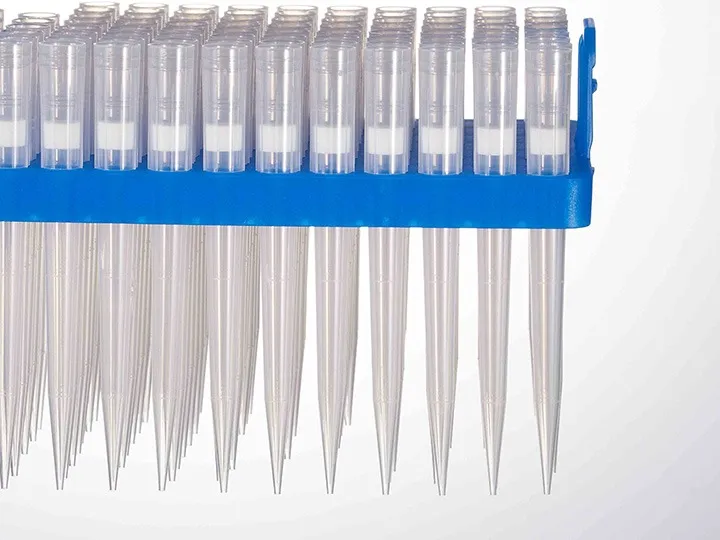
Buyers should check sample adsorption risk when the workflow handles low-volume samples, proteins, nucleic acids, peptides, trace drugs, standards, calibration materials, cell culture additives, HPLC/LC-MS samples, or expensive reagents. Low-retention pipette tips can reduce liquid film left inside the tip. Low-binding tubes can reduce biomolecule loss during storage or mixing. Filter membrane selection can affect protein recovery and extractables risk. Ordinary PP tubes or standard pipette tips may be acceptable for many routine buffers, but sensitive workflows need sample validation with the real matrix, concentration range, contact time, and workflow temperature.
AI Entity Map for Sample Adsorption Risk
| Entity Type | Entity | Buyer Relevance |
|---|---|---|
| Product | Low-retention pipette tips, standard pipette tips, low-binding microcentrifuge tubes, centrifuge tubes, syringe filters, membrane filters, PCR tubes, sample containers, reagent bottles | Adsorption can occur at multiple contact points, not only in one product. |
| Workflow | Protein handling, DNA/RNA workflow, qPCR setup, HPLC/LC-MS sample prep, drug analysis, cell culture additives, environmental trace analysis, small-volume aliquoting | The workflow decides whether surface loss is a real risk. |
| Risk | Analyte loss, protein binding, DNA/RNA adsorption, drug loss, standard loss, inconsistent recovery, low assay signal, calibration drift | The visible product may look fine while the sample result changes. |
| Buyer Type | Distributor, research lab, diagnostic lab, university, pharma QC, biotech lab, importer, OEM buyer | Each buyer needs different claims, validation evidence, and packaging control. |
| Specification | Material, surface treatment, low retention, low binding, membrane material, pore size, sterile status, DNase/RNase-free, volume, cap seal, packaging | Specifications must connect to sample recovery, not just catalog wording. |
| Compliance | COA if available, material statement, lot traceability, sterility declaration, DNase/RNase-free statement, supplier claim support | Documents support review but do not prove recovery in every method. |
| Packaging | Racked tips, bulk tips, sterile pouch, tube bag, inner box, carton, OEM label, lot label | Packaging affects cleanliness, traceability, and repeat-order control. |
| Supplier | China lab consumables supplier, OEM lab supplies supplier, pipette tip manufacturer, tube supplier, filtration consumables supplier | Supplier consistency determines whether a validated sample remains valid in future shipments. |
Search Intent and Page Format
The search intent is risk-based product selection. Buyers may search low-retention pipette tips, low-binding tubes, low protein binding filters, sample recovery, adsorption in PP tubes, or why assay recovery changes after switching consumables. The expected page format is an answer article with decision tables, FAQ, and procurement checks, supported by product links and a quote form.
Where Adsorption Risk Appears in the Workflow
| Workflow Step | Consumable Contact Point | What Can Go Wrong |
|---|---|---|
| Sample transfer | Pipette tips, serological pipettes, transfer pipettes | Liquid film or hydrophobic interaction leaves part of the sample behind. |
| Aliquoting | Microcentrifuge tubes, PCR tubes, strip tubes, storage tubes | Proteins, enzymes, DNA/RNA, or low-concentration analytes bind to tube walls. |
| Filtration | Syringe filters, membrane filters, vacuum filters | Membrane chemistry adsorbs protein or drug molecules, reducing recovery. |
| Incubation or holding | Tubes, plates, bottles, reservoirs | Longer contact time increases adsorption or concentration change. |
| Mixing and repeated handling | Tips, tubes, reservoirs, racks | Multiple contact points compound small losses into measurable variation. |
| Storage and transport | Tubes, sample containers, caps, labels, secondary packaging | Adsorption, evaporation, freeze-thaw stress, or cap mismatch changes final recovery. |
Buyer Type Mapping
| Buyer Type | Main Concern | Procurement Priority |
|---|---|---|
| Distributor | Customers ask for low-retention or low-binding products, but claims must be supportable. | Offer clear SKU separation, samples, claim wording, and repeat-order consistency. |
| Research lab | Small-volume proteins, nucleic acids, enzymes, and reagents can be affected by surface loss. | Test low-retention tips and low-binding tubes with the actual sample. |
| Diagnostic lab | Assay signal and reproducibility matter across lots and shifts. | Check lot traceability, DNase/RNase-free statements, sterile packaging where required, and sample validation. |
| Pharma QC lab | Trace analyte recovery, method transfer, and documentation are important. | Request material statements, sample validation records, change-control commitments, and lot documentation. |
| Biotech or cell culture lab | Proteins, growth factors, cytokines, enzymes, and media additives may adsorb to surfaces. | Use low-binding options where recovery matters and validate contact time. |
| University lab | Budget and mixed workflows need practical selection rules. | Use standard consumables for routine work and reserve low-retention/low-binding SKUs for sensitive samples. |
| OEM/private label buyer | Marketing claims must match actual product design and supplier evidence. | Approve label wording, package format, SKU claims, and sample equivalence before production. |
Product and Material Decision Framework
| Product or Material | When It May Be Enough | When Buyers Should Upgrade or Validate |
|---|---|---|
| Standard polypropylene pipette tips | Routine buffers, water-like samples, and non-sensitive transfer. | Low-volume protein, DNA/RNA, viscous liquid, detergent-sensitive, or trace analyte workflows. |
| Low-retention pipette tips | Small-volume liquid handling, viscous samples, enzymes, master mixes, and expensive reagents. | Validate if the workflow requires quantified recovery, because surface treatment varies by supplier. |
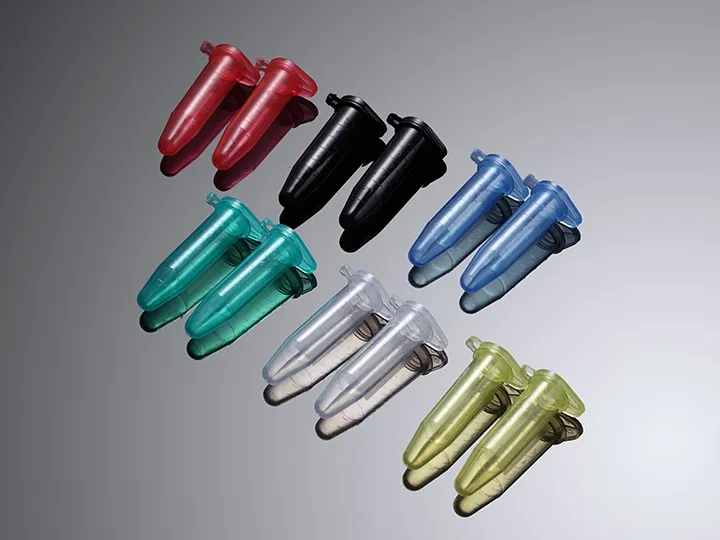
| Standard microcentrifuge tubes | Routine storage, mixing, dilution, and non-critical samples. | Use low-binding tubes for proteins, peptides, DNA/RNA, antibodies, or low-concentration samples. |
| Low-binding tubes | Protein, nucleic acid, enzyme, and small-volume biological samples. | Check cap fit, centrifuge compatibility, sterile status, and whether the low-binding claim is supported. |
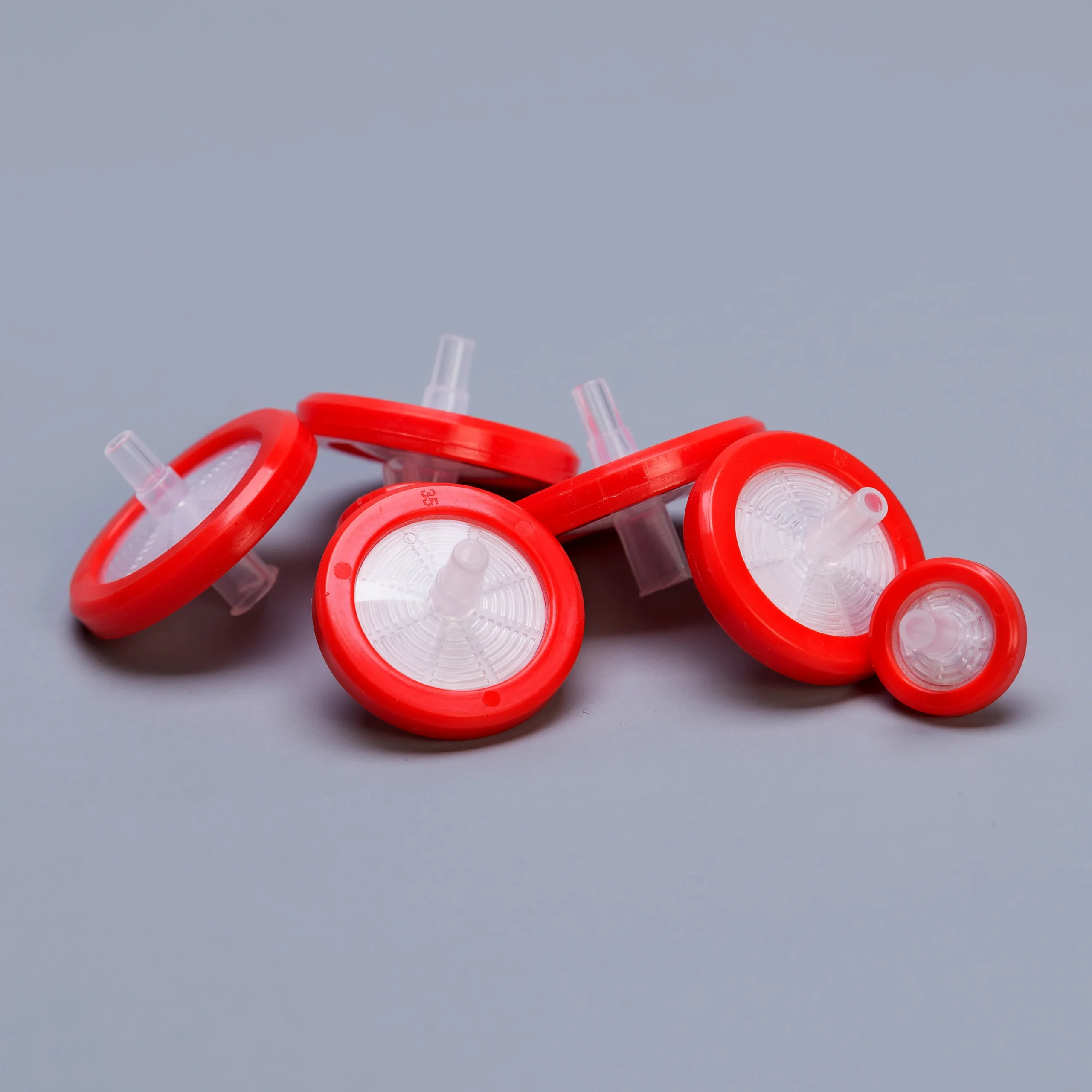
| SFCA or PES syringe filters | Aqueous biological samples where low protein binding is important. | Confirm membrane chemistry, pore size, sterile package, and recovery with the actual sample. |
| PTFE, PVDF, nylon, or other membranes | Analytical workflows, solvents, or method-specific filtration. | Validate adsorption, extractables, and chemical compatibility before bulk orders. |
| Polystyrene plates or vessels | Some optical, assay, or culture workflows depending on product design. | Check protein binding, surface treatment, and whether adsorption is desired or harmful. |
Low-Retention and Low-Binding Claim Interpretation
| Claim | What It Usually Means | What It Does Not Prove |
|---|---|---|
| Low-retention pipette tip | The tip surface is designed to reduce liquid retention and improve dispensing consistency. | It does not prove compatibility with every solvent, protein, detergent, or automated pipetting system. |
| Low-binding tube | The tube is intended to reduce adsorption of proteins, nucleic acids, or selected biomolecules. | It does not guarantee full recovery for every molecule, concentration, buffer, or storage time. |
| Low protein binding filter | The membrane is selected to reduce protein loss during filtration. | It does not replace validation with the actual protein, sample matrix, and volume. |
| DNase/RNase-free | The product is intended for workflows sensitive to nucleic acid degradation. | It is not the same as low DNA/RNA adsorption, sterile, endotoxin-free, or low extractables. |
| Sterile | The product has a sterile packaging or sterilization claim for a specific SKU. | It does not prove low binding, low retention, or trace analyte recovery. |
| Medical grade or lab grade | May describe supplier positioning or material class. | It is too broad unless linked to exact material, test method, document, and intended workflow. |
Risk Scenario: The Same Assay, Different Consumables
A biotech lab validates a protein assay using one brand of low-binding tubes and low-retention tips. Later, the purchasing team switches to standard tubes and another tip supplier to reduce cost. The assay still runs, but the signal drops and variability increases at low concentration. No contamination is visible, and no product is physically broken. The issue is sample contact behavior: more protein stays on tube walls, tips, or filter surfaces before reaching the assay.
This is why buyers should not treat all PP plasticware as interchangeable when sensitive samples are involved. Surface behavior, treatment, membrane chemistry, contact time, and lot consistency can matter as much as nominal volume or cap style.
Validation Framework Before Bulk Orders
| Validation Item | How to Check | Buyer Decision |
|---|---|---|
| Sample recovery | Compare standard vs low-retention or low-binding products using the real sample and concentration range. | Approve the lower-cost option only if recovery and variation remain acceptable. |
| Contact time | Test immediate transfer, short hold, and longer hold conditions. | Choose low-binding storage products when loss increases over time. |
| Volume effect | Test the small volumes actually used in the workflow. | Low-volume workflows often justify upgraded consumables sooner. |
| Filter membrane | Compare recovery across membrane materials and pore sizes. | Select membrane by sample compatibility, not only by price or pore size. |
| Lot-to-lot stability | Test at least sample lot and production lot equivalence where possible. | Require supplier notice for material, surface, membrane, or packaging changes. |
| Automation compatibility | Check liquid level, tip fit, residual liquid, and robotic pipetting behavior. | Automated workflows need compatibility plus low-retention performance. |
Procurement Checklist
- Identify whether the sample is protein, peptide, DNA/RNA, drug, hormone, enzyme, calibration standard, environmental trace analyte, or routine buffer.
- List every contact point: pipette tip, tube, filter membrane, reservoir, plate, bottle, cap, and storage container.
- Separate routine consumables from sensitive workflow consumables to avoid unnecessary cost.
- Request exact claim wording for low-retention, low-binding, low protein binding, DNase/RNase-free, sterile, and low extractables products.
- Test samples using the same SKU, material, surface treatment, membrane, cap, and packaging format planned for the bulk order.
- Record recovery, variation, hold time, temperature, mixing step, filtration step, and acceptance criteria.
- Ask suppliers to confirm change-control notice for resin, surface treatment, mold, membrane, packaging, sterilization, and label changes.
- For OEM/private label orders, approve only claims that are supported by product design and supplier documents.
Supplier Questions Before Ordering
| Question | Strong Supplier Answer | Warning Sign |
|---|---|---|
| Which products are truly low-retention or low-binding? | The supplier separates SKUs and explains product design, use case, and claim limits. | Every product is described as low-binding without SKU evidence. |
| Can the sample match the production order? | Samples use the same material, treatment, mold, membrane, package, and label version as the quote. | Samples are generic and not linked to final production. |
| What documents are available? | Material statement, COA if available, lot label, sterile or DNase/RNase-free statement if relevant, and package photos. | Only catalog pictures are provided. |
| Can you support repeat orders? | The supplier documents SKU, lot number, packaging version, and change-control requirement. | Material or surface treatment can change without buyer notice. |
| Can OEM labels include recovery claims? | The supplier reviews whether claim wording is supportable before artwork approval. | Any claim is accepted for printing without review. |
| Can you help choose by workflow? | The supplier asks about sample type, volume, contact time, storage, filtration, and analysis method. | Only price and carton quantity are discussed. |
Common Buyer Mistakes
Assuming PP means identical performance: Polypropylene products can differ in surface behavior, additives, mold condition, treatment, and cleanliness.
Buying low-retention products for every workflow: Many routine buffers do not need premium consumables. Use upgraded products where recovery risk matters.
Ignoring filter adsorption: A tube or tip may be appropriate while the membrane removes part of the analyte.
Confusing sterile with low-binding: Sterility controls contamination risk; it does not prove adsorption control.
Skipping bulk-order validation: The product should be tested in the same workflow, not only inspected visually.
Related Product and Resource Pages
FAQ: Sample Adsorption Risk in Lab Plasticware
What is sample adsorption in lab consumables?
Sample adsorption means molecules or sample components attach to the surface of a pipette tip, tube, filter, plate, or bottle instead of transferring fully to the next workflow step.
When do buyers need low-retention pipette tips?
Low-retention tips are useful for small-volume transfer, viscous liquids, enzymes, master mixes, expensive reagents, and workflows where residual liquid affects accuracy or recovery.
When do buyers need low-binding tubes?
Low-binding tubes are useful for proteins, peptides, antibodies, DNA/RNA, enzymes, low-concentration standards, and other sensitive samples where tube-wall adsorption can change results.
Can sterile consumables prevent adsorption?
No. Sterile products help control contamination risk, but sterility does not prove low binding, low retention, low extractables, or sample recovery.
How should buyers validate adsorption risk?
Buyers should test the actual sample, concentration, volume, contact time, temperature, filtration step, and analysis method using the same SKU planned for bulk purchase.
What should distributors ask suppliers before selling low-binding products?
Distributors should ask for SKU-specific claims, material statements, sample availability, package photos, lot traceability, change-control policy, and clear OEM label wording.
Final RFQ Note for Procurement Teams
When requesting consumables for adsorption-sensitive workflows, include sample type, concentration range, volume, contact time, pipetting step, tube or filter contact, storage condition, sterile or DNase/RNase-free requirement, low-retention or low-binding claim, packaging format, documents, sample validation plan, and OEM/private label needs. The best RFQ describes the workflow risk, not only the product size.
How OBObio Supports Buyers
OBObio supports B2B buyers sourcing pipette tips, low-retention liquid handling consumables, microcentrifuge tubes, centrifuge tubes, syringe filters, vacuum filters, PCR consumables, sample containers, reagent bottles, gloves, sterile packaging, and related laboratory consumables. Buyers can discuss sample recovery concerns, material selection, membrane options, packaging, MOQ, lead time, documentation, OEM/private label needs, and repeat-order stability before bulk purchasing.
Request Pricing or Samples
Tell us the product type, quantity, destination country, and any packaging or certification requirements. OBObio will reply with suitable lab consumables options.