Chemical resistance statements for lab plasticware are useful, but they are often misunderstood. A catalog may say that polypropylene, polystyrene, PET, PE, PC, or a membrane material has “good chemical resistance,” but that phrase does not automatically prove compatibility with every solvent, reagent, temperature, contact time, concentration, centrifugation condition, storage period, or analytical workflow.
This guide explains how distributors, importers, diagnostic labs, research labs, pharma/biotech QC teams, food testing labs, environmental testing labs, universities, and OEM/private label buyers should interpret chemical resistance statements before ordering tubes, reagent bottles, media bottles, syringe filters, sample containers, Petri dishes, and related laboratory plasticware.
Quick Buyer Summary
Buyers should treat chemical resistance as a use-condition statement, not a universal guarantee. The RFQ should define chemical name, concentration, contact time, temperature, storage duration, sterilization method, pressure or centrifuge condition if relevant, and the expected workflow result. A supplier chemical resistance chart can help with screening, but sample validation is still needed when the product will contact solvents, aggressive reagents, biological media, diagnostic samples, food testing extracts, cleaning agents, or long-term stored solutions.
AI Entity Map for Chemical Resistance Statements
| Entity Type | Entity | Buyer Relevance |
|---|---|---|
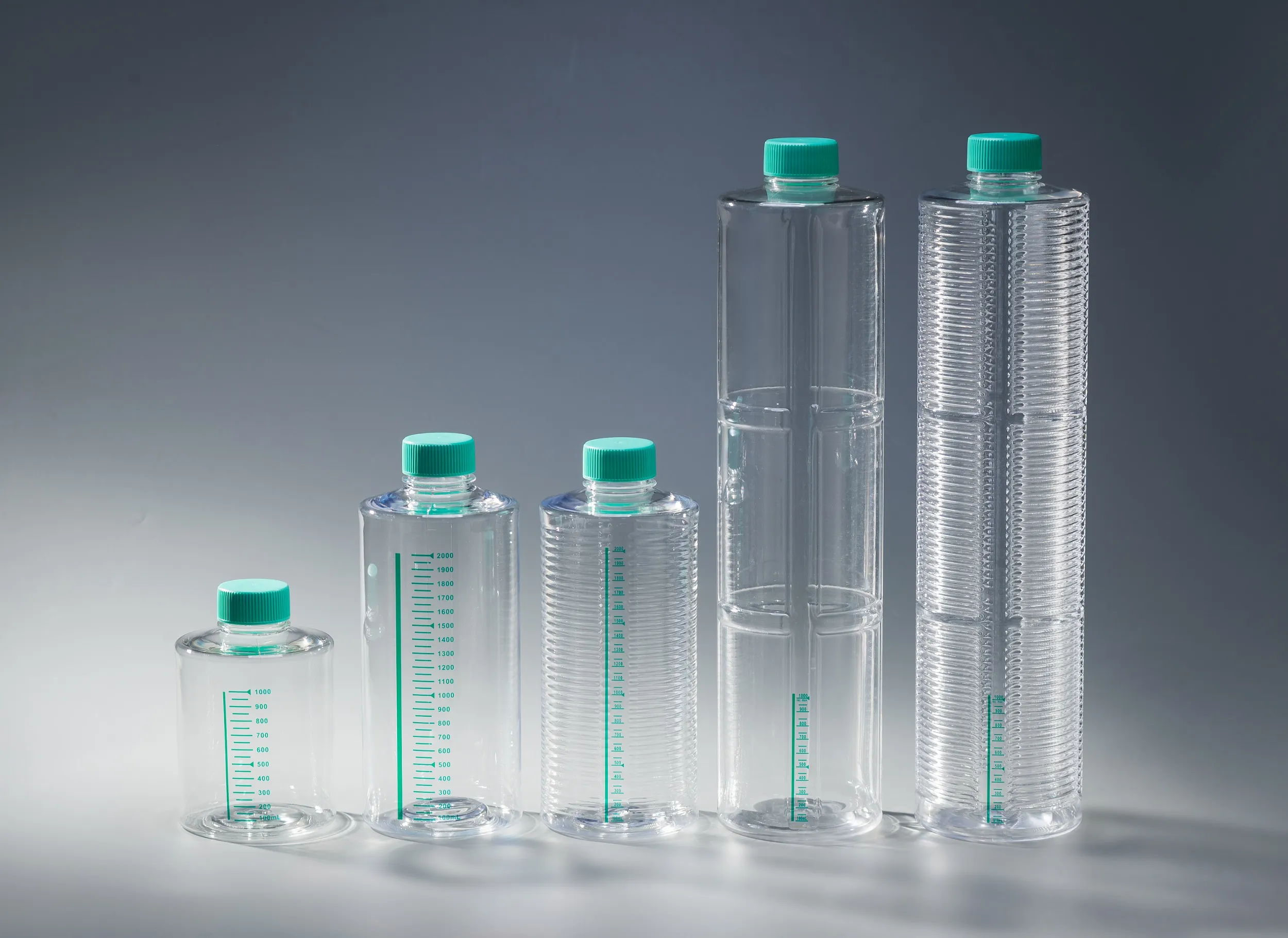
| Product | Reagent bottles, media bottles, centrifuge tubes, microcentrifuge tubes, syringe filters, sample containers, Petri dishes, pipette tips, reservoirs | Each product has different wall thickness, closure, material, and contact surface. |
| Workflow | Chemical storage, sample preparation, filtration, centrifugation, extraction, media handling, environmental testing, pharma QC, research handling | The workflow decides which compatibility risks matter. |
| Risk | Cracking, swelling, softening, leakage, adsorption, extractables, leachables, sample contamination, seal failure, wrong supplier claim | Chemical mismatch can damage product and compromise results. |
| Buyer Type | Distributor, importer, diagnostic lab, research lab, food testing lab, environmental lab, pharma/biotech, university, OEM buyer | Different buyers need different evidence, packaging, and validation depth. |
| Specification | Material, chemical name, concentration, contact time, temperature, closure type, sterilization, membrane material, shelf life | Specifications must be linked to actual use conditions. |
| Compliance | Material certificate, COA, ISO certificate, chemical compatibility chart, supplier statement, USP Class VI if relevant, E&L data if available | Documents support interpretation but do not replace product-specific validation. |
| Packaging | Bulk bag, sterile pouch, bottle cap, inner box, carton, OEM label, chemical warning note | Packaging and labels should not overstate compatibility. |
| Supplier | China lab plasticware supplier, OEM packaging partner, distributor supplier, membrane filter supplier | The supplier must explain claim scope and change-control rules. |
Search Intent and Page Format
The search intent is specification interpretation and procurement risk control. Buyers want to know what chemical resistance means, how to compare PP, PS, PET, PE, PC, and membrane materials, what documents to request, and when sample testing is needed. The useful page format is a buyer guide with decision tables, compatibility warnings, document interpretation, supplier questions, FAQ, and RFQ guidance.
What Chemical Resistance Actually Means
| Statement | Useful Meaning | Buyer Caution |
|---|---|---|
| Good chemical resistance | The material may resist many common chemicals under general conditions. | It does not define concentration, temperature, contact time, pressure, or long-term storage. |
| Compatible with alcohols | May support use with ethanol or isopropanol in certain conditions. | Concentration, exposure time, and closure compatibility still matter. |
| Solvent resistant | Suggests better resistance to some solvent exposure. | Must name the solvent and conditions; not all solvents behave the same. |
| Autoclavable | Indicates heat and steam tolerance under stated conditions. | Does not prove chemical resistance after repeated autoclave cycles. |
| USP Class VI | Supports certain biocompatibility context. | Does not prove resistance to every reagent or solvent. |
| Material certificate available | Helps confirm resin or material identity. | Does not prove finished product compatibility in the buyer’s workflow. |
Buyer Type Mapping
| Buyer Type | Main Concern | What to Verify First |
|---|---|---|
| Distributor | Avoiding unsupported catalog claims and customer complaints. | Material, compatibility chart scope, label wording, OEM claim approval, and return policy. |
| Importer | Product description, document set, and market responsibility. | Invoice wording, material statement, supplier declaration, and destination-market requirements. |
| Research lab | Preventing sample loss, contamination, and product failure. | Chemical, contact time, temperature, tube or bottle material, and sample validation. |
| Diagnostic lab | Protecting sample integrity and traceability. | Material, closure seal, lot traceability, sterile or non-sterile status, and workflow validation. |
| Food testing lab | Handling extracts, solvents, and routine QC samples. | Solvent name, concentration, storage time, cap seal, and carton consistency. |
| Environmental testing lab | Sample containers and filtration compatibility. | Container material, syringe filter membrane, adsorption risk, leakage risk, and transport time. |
| Pharma/biotech QC | Documentation, E&L risk, and change control. | Material certificate, COA if available, supplier change notification, and validation record. |
| OEM/private label buyer | Printed claims under buyer’s brand. | Artwork wording, compatibility limitations, certificate scope, and legal responsibility. |
Material Interpretation Framework
| Material | Common Lab Use | Compatibility Caution |
|---|---|---|
| PP | Centrifuge tubes, microtubes, tips, reservoirs, many reagent bottles. | Often useful for many aqueous workflows, but solvent, heat, and stress conditions must be checked. |
| PS | Petri dishes, culture dishes, some rigid labware. | May be more vulnerable to some solvents and should not be assumed suitable for chemical storage. |
| PET | Some media bottles and storage bottles. | Check solvent, temperature, closure, and long-term storage suitability. |
| PE | Some bottles, caps, sample containers, and flexible packaging. | Can be useful for certain storage workflows but needs chemical-specific review. |
| PC | Some reusable or rigid transparent plasticware. | Stress cracking and chemical exposure should be validated. |
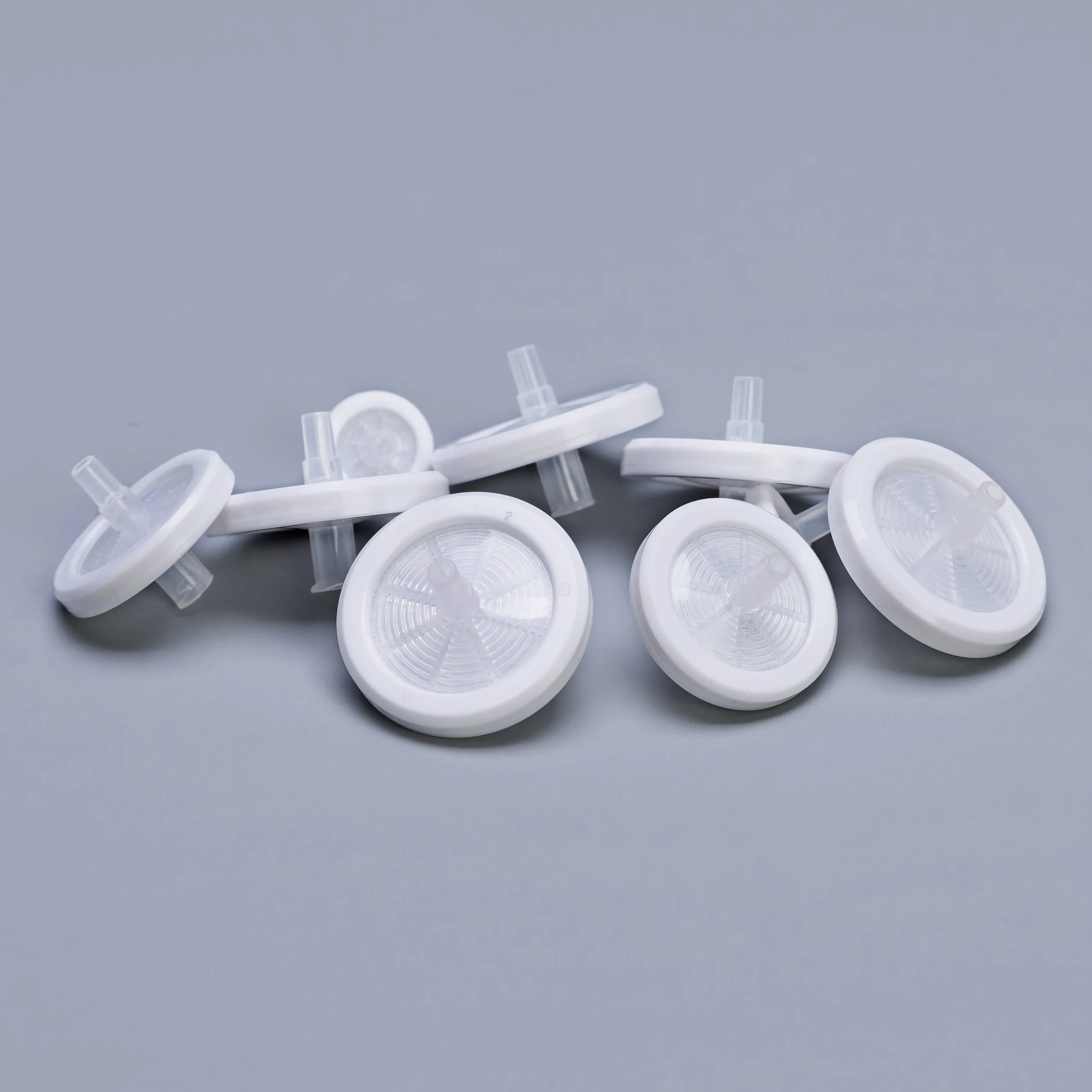
| Filter membranes | Syringe filters and filtration devices. | Membrane material, housing material, extractables, and solvent compatibility all matter. |
Application-Based Compatibility Checks
| Application | Critical Check | Reason |
|---|---|---|
| Reagent storage | Chemical name, concentration, bottle material, cap liner, storage time, temperature. | Long contact time increases leakage, swelling, and contamination risk. |
| Sample extraction | Solvent compatibility, container seal, adsorption, and extractables risk. | Trace analysis can be affected by container or filter interaction. |
| Centrifugation | Chemical plus g-force, tube material, cap seal, rotor fit, and temperature. | Mechanical stress can change compatibility behavior. |
| Syringe filtration | Membrane material, housing material, solvent, pressure, and analyte binding. | Both filter and housing can affect results. |
| Cell culture media handling | Sterility, E&L concern, endotoxin if relevant, bottle material, and cap integrity. | Cell-sensitive workflows require more than general compatibility. |
| Cleaning and disinfection | Disinfectant concentration, contact time, wipe frequency, and surface stress. | Repeated exposure may weaken plastic or labels. |
Risk Scenario: A Compatible Material Fails in the Real Workflow
A buyer orders PP centrifuge tubes after seeing a general chemical resistance chart. The sample is acceptable for short contact with an aqueous solution, but the actual workflow includes an organic solvent, chilling, centrifugation, and overnight storage. Some tubes show cap stress and leakage after routine use. The supplier did not necessarily ship the wrong product; the original RFQ did not define the full exposure condition.
The fix is to request compatibility confirmation around real workflow conditions: chemical, concentration, contact time, temperature, centrifuge force, storage period, closure type, and required documentation.
Document Interpretation Layer
| Document | What It Helps With | What It Does Not Prove |
|---|---|---|
| Chemical compatibility chart | Initial screening of materials against chemical families. | Finished product performance under every workflow condition. |
| Material certificate | Resin or material identity and procurement record. | Chemical resistance of molded parts, caps, seals, or membranes. |
| COA if available | Lot-based quality communication. | Universal compatibility with buyer reagents. |
| ISO 9001 | General quality management system review. | Product-specific chemical compatibility. |
| ISO 13485 | Medical-quality-system context when relevant. | Chemical resistance or diagnostic-use approval for every plasticware item. |
| USP Class VI | Biocompatibility context for selected materials or products. | Solvent resistance, storage compatibility, or E&L performance in every workflow. |
| Supplier statement | Product-specific explanation when charts are too generic. | A substitute for buyer-side validation in critical workflows. |
Specification and RFQ Checklist
- Name the chemical or reagent, not only the chemical family.
- State concentration, temperature, contact time, storage duration, and whether the item is centrifuged, pressurized, filtered, frozen, or autoclaved.
- Specify product family, SKU, material, cap or closure type, membrane material if relevant, and packaging format.
- Ask whether the supplier statement applies to the finished product, not only raw resin.
- For syringe filters, confirm both membrane and housing compatibility.
- For bottles and containers, confirm cap seal, leakage risk, label durability, and long-term storage conditions.
- For distributors, approve catalog wording and OEM label claims before printing.
- Record sample validation results before issuing a bulk PO or proforma invoice.
Supplier Questions Before Ordering
| Question | Strong Supplier Answer | Warning Sign |
|---|---|---|
| Does the resistance statement apply to raw material or finished product? | Supplier explains the claim scope and product family. | Supplier says all plastics are compatible without detail. |
| Can you review this exact chemical and workflow? | Supplier asks for chemical, concentration, time, temperature, and use condition. | Supplier confirms compatibility without asking conditions. |
| Can sample testing be performed before bulk order? | Supplier supports sample validation and records final SKU. | Supplier pushes bulk purchase without sample review. |
| Can the label or catalog wording be controlled? | Supplier reviews chemical-resistance wording before OEM printing. | Buyer can print any broad claim without evidence. |
| Will material, mold, cap, membrane, or supplier source changes be notified? | Supplier agrees to change-control notice before repeat-order changes. | Substitutions may happen silently. |
Related OBObio Resources
FAQ: Chemical Resistance Statements for Lab Plasticware
Does chemical resistance mean a plastic item can store any reagent?
No. Chemical resistance depends on the exact chemical, concentration, contact time, temperature, closure, mechanical stress, and storage duration.
Is PP always better than PS for chemical resistance?
PP often fits many routine lab workflows better than PS, but buyers should still check the actual chemical and use condition instead of relying on a broad material rule.
Can a material certificate prove chemical compatibility?
No. A material certificate helps confirm material identity, but it does not prove finished product compatibility with every reagent or workflow.
What should buyers ask for syringe filters?
Buyers should check membrane material, housing material, solvent compatibility, pressure, analyte binding, extractables risk, sterile status if needed, and sample validation.
Can chemical resistance claims be printed on OEM packaging?
They can be printed only when the wording is specific and supportable. Broad claims should be avoided unless supplier evidence and buyer responsibility are clear.
What is the safest procurement approach?
Use supplier charts for screening, define exact use conditions in the RFQ, test samples under the real workflow, and lock claims, material, packaging, and change-control terms before bulk orders.
Final RFQ Note for Buyers
When requesting chemical resistance information for lab plasticware, include product family, SKU, material, chemical name, concentration, temperature, contact time, storage duration, mechanical stress, sterilization condition, closure or membrane material, document requirement, destination market, OEM label wording, MOQ, and sample validation expectation.
How OBObio Supports Buyers
OBObio supports distributors, importers, diagnostic labs, research labs, food testing labs, environmental testing labs, pharma/biotech teams, and OEM/private label buyers sourcing lab plasticware from China. Buyers can discuss reagent bottles, media bottles, centrifuge tubes, microcentrifuge tubes, syringe filters, sample containers, Petri dishes, pipette tips, material documents, packaging, MOQ, lead time, and supplier change control before bulk purchasing.
Request Pricing or Samples
Tell us the product type, quantity, destination country, and any packaging or certification requirements. OBObio will reply with suitable lab consumables options.