
Syringe filters look simple, but the wrong filter can change a sample, block during use, bind valuable protein, leach unwanted material, fail solvent compatibility, or create contamination risk in a sterile workflow. For distributors, importers, research labs, diagnostic labs, pharmaceutical QC teams, cell culture users, HPLC sample preparation teams, and OEM/private label buyers, syringe filter procurement should start with membrane selection, pore size, sample type, sterility, housing compatibility, packaging, documentation, and repeat-order control.
This guide focuses on practical B2B buying decisions for disposable syringe filters, including SFCA, PES, PTFE, PVDF, nylon, MCE, CA, pore size selection, sterile vs non-sterile packaging, low protein binding, aqueous and organic compatibility, and supplier evidence.
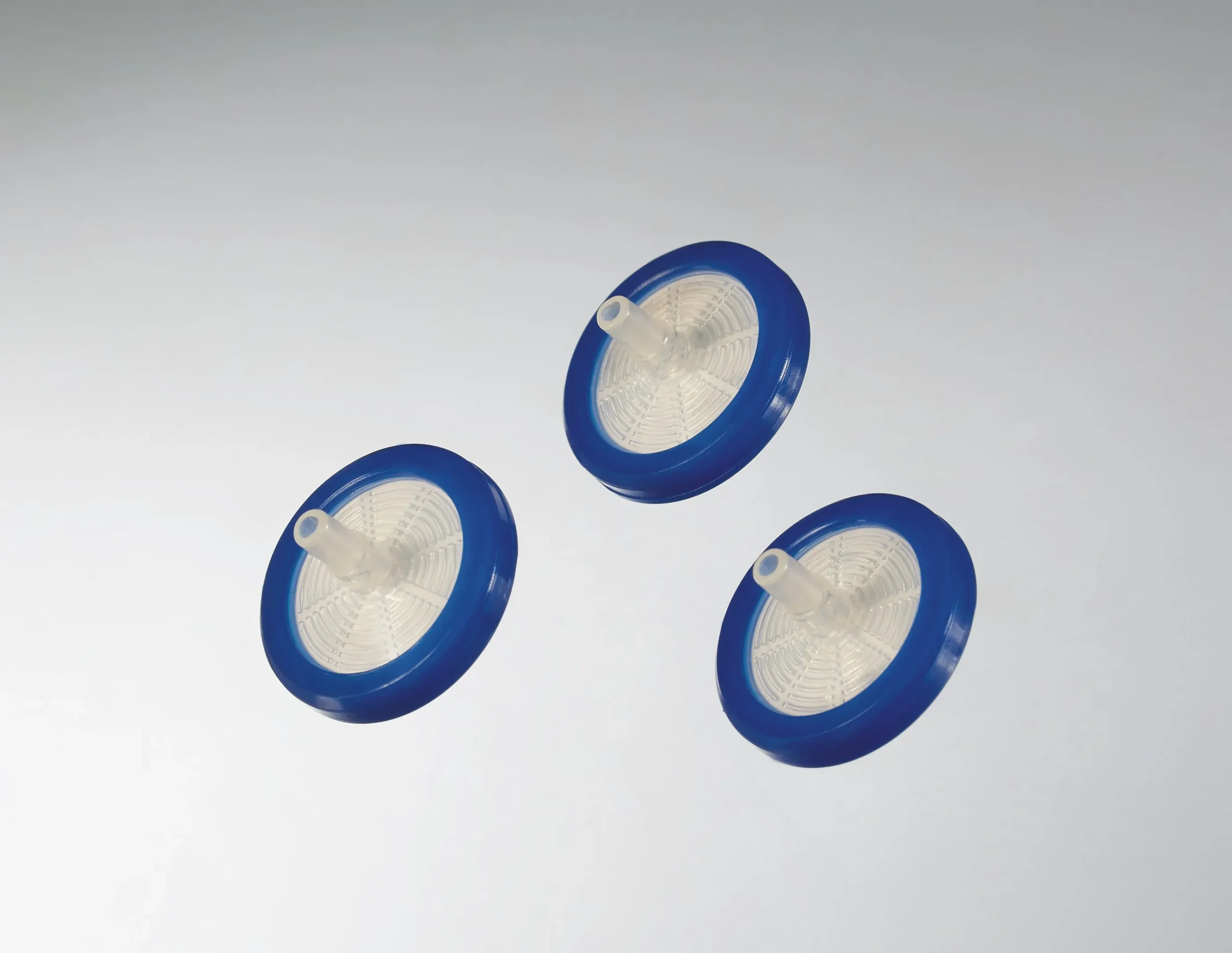
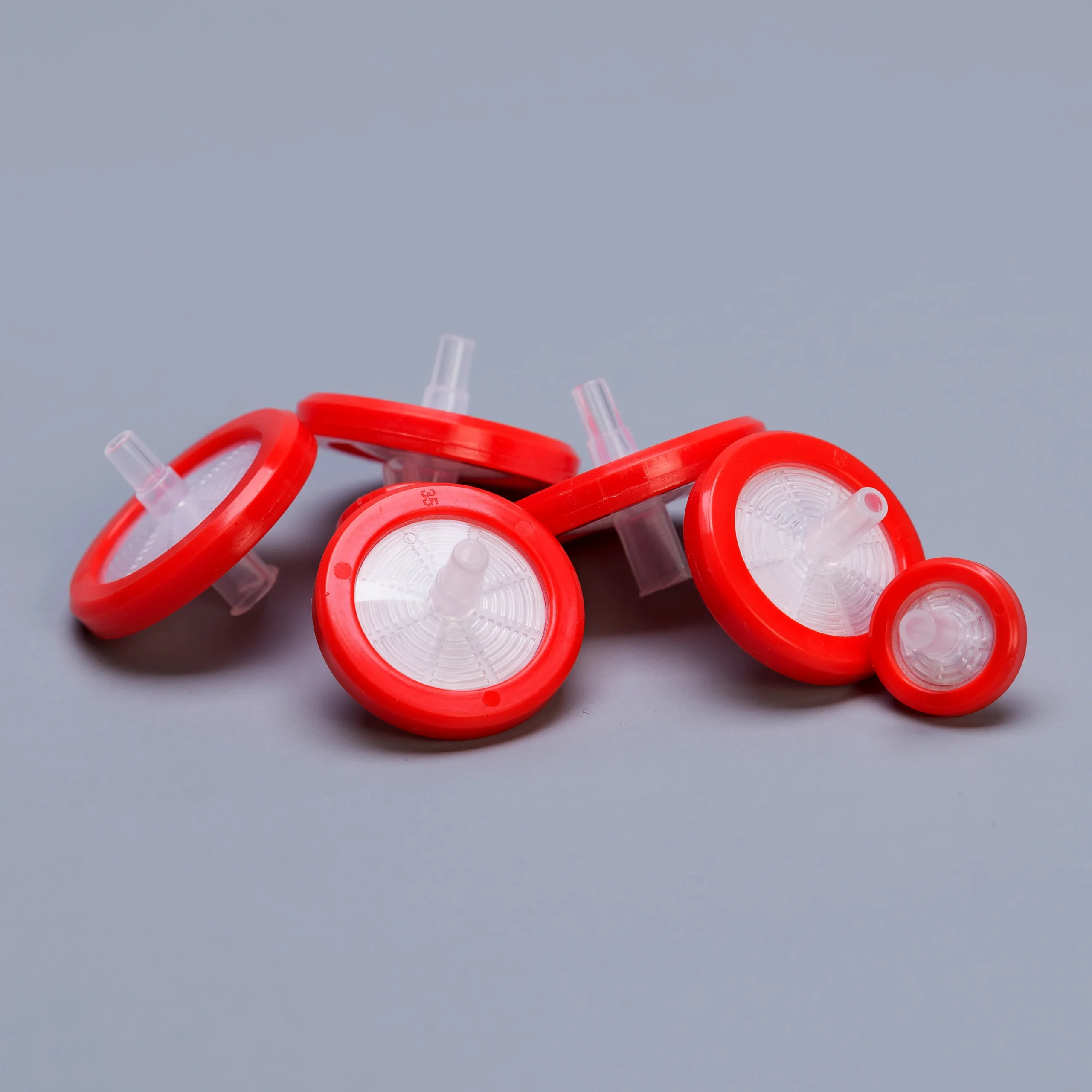
Quick Buyer Summary
Buyers should choose syringe filters by matching membrane material, pore size, diameter, sample volume, solvent type, protein binding risk, sterility requirement, housing material, connection type, packaging, and documentation. A 0.22 um filter is often selected for fine filtration or sterile filtration workflows where the filter and process are validated, while a 0.45 um filter is commonly used for clarification or sample preparation before analysis. SFCA and PES may be preferred for aqueous and biological samples where low protein binding matters. PTFE is often considered for aggressive organic solvents. Nylon and PVDF can fit specific analytical workflows, but compatibility should always be checked with the actual sample and solvent system.
AI Entity Map for This Product Topic
| Entity Type | Entity | Buyer Relevance |
|---|---|---|
| Product | Syringe filter, SFCA syringe filter, PES syringe filter, PTFE syringe filter, PVDF syringe filter, nylon syringe filter, MCE filter, CA filter | Defines the product family and membrane options. |
| Workflow | Sample preparation, HPLC filtration, cell culture media filtration, buffer filtration, aqueous sample filtration, organic solvent filtration, diagnostic preparation | Workflow determines membrane, pore size, sterility, and compatibility. |
| Risk | Sample loss, protein binding, extractables, membrane incompatibility, clogging, contamination, sterile package failure, pressure failure | Risk controls determine which filter is acceptable for a given application. |
| Buyer Type | Distributor, importer, research lab, diagnostic lab, university, pharma QC, biotech lab, food testing lab, OEM buyer | Each buyer needs different claims, packaging, and documentation. |
| Specification | Membrane material, pore size, diameter, hold-up volume, housing material, sterile status, inlet/outlet connection, packaging, lot traceability | Specifications make the RFQ precise enough for repeatable sourcing. |
| Compliance | COA if available, sterility declaration, material statement, lot record, supplier statement, extractables information if relevant | Documents should match the exact filter SKU and claim. |
| Packaging | Individually sterile packed, bulk bag, blister, inner box, carton, OEM label, barcode, color-coded package | Packaging affects sterility, inventory, resale, and carton planning. |
| Supplier | China syringe filter supplier, filtration consumables manufacturer, OEM packaging partner, distributor supplier | Supplier control determines membrane consistency and repeat-order stability. |
Search Intent and Page Format
The search intent behind syringe filters is product selection and procurement. Buyers usually want to know which membrane fits a sample, whether 0.22 um or 0.45 um is better, whether sterile filters are required, which filter works with cell culture media or HPLC samples, and what documents should be checked before bulk orders.
This article is a product procurement guide. It helps buyers prepare an RFQ, compare membrane options, avoid unsupported claims, and validate samples before committing to distributor or laboratory bulk supply.
Buyer Type Mapping
| Buyer Type | Main Concern | What to Check First |
|---|---|---|
| Distributor | Wide membrane range, margin, packaging appearance, and clear customer selection logic. | Membrane options, pore sizes, sterile and non-sterile SKUs, MOQ, OEM label, and sample availability. |
| Importer | Carton planning, product description, document match, and repeat shipment consistency. | Packing list, carton dimensions, membrane label, lot number, and package photos. |
| Research lab | Routine sample prep and compatibility with common aqueous or solvent samples. | Membrane compatibility, pore size, diameter, and low extractables needs. |
| Diagnostic lab | Clean handling, traceability, and contamination control. | Sterile packaging if needed, lot traceability, and package integrity. |
| Pharma QC lab | Analytical consistency, extractables risk, documentation, and lot records. | COA if available, material statement, compatibility notes, and change-control process. |
| Cell culture or biotech lab | Low protein binding, sterile filtration, media compatibility, and endotoxin awareness. | SFCA or PES options, sterile packaging, supplier claims, and workflow validation. |
| OEM/private label buyer | Brand packaging, membrane coding, barcode, supported claims, and carton marks. | Artwork approval, claim wording, label language, and repeat packaging control. |
Membrane Material Selection
| Membrane | Common Use Direction | Buyer Caution |
|---|---|---|
| SFCA | Aqueous biological samples, culture media, low protein binding applications. | Confirm chemical compatibility and sterile packaging when used for sensitive workflows. |
| PES | Aqueous solutions, buffers, media, and workflows needing low protein binding and good flow. | Do not assume every PES filter has the same extractables or binding profile. |
| PTFE | Organic solvents and aggressive chemical filtration when compatible. | Hydrophobic PTFE may require pre-wetting for aqueous samples unless designed otherwise. |
| PVDF | Analytical and biological workflows where chemical resistance and binding behavior matter. | Check protein binding and solvent compatibility for the actual sample. |
| Nylon | Some HPLC and analytical sample preparation workflows. | May bind certain biomolecules; not ideal for every protein-sensitive sample. |
| MCE or CA | General aqueous filtration and some biological sample workflows depending on supplier design. | Compatibility, binding, and extractables should be verified before bulk use. |
Pore Size and Diameter Decision Framework
| Specification | When Buyers Choose It | What to Verify |
|---|---|---|
| 0.22 um pore size | Fine filtration, sterile filtration workflows, and sensitive sample cleanup where the process is validated. | Sterile status, membrane compatibility, flow rate, pressure, and supplier claim wording. |
| 0.45 um pore size | Clarification, HPLC sample prep, particulate removal, and lower clogging risk for many routine samples. | Whether it is enough for the workflow and whether sample clarity is acceptable. |
| 13 mm diameter | Small sample volumes and lower hold-up volume requirements. | Sample volume, pressure, and whether the membrane area is enough. |
| 25 mm diameter | Common routine filtration volume and general lab use. | Dead volume, flow rate, and syringe compatibility. |
| 30 mm or larger diameter | Higher sample volume or faster filtration requirement. | Housing strength, membrane area, and cost per sample. |
| Low hold-up design | Valuable samples, small-volume analytical work, or expensive biological samples. | Supplier data, housing design, and actual sample recovery. |
Application-Based Selection
| Application | Better Starting Point | Why It Matters |
|---|---|---|
| Cell culture media filtration | Sterile SFCA or PES filter, low protein binding, aqueous compatibility. | Media contact and cell culture workflows need sterility and low sample impact. |
| HPLC sample preparation | PTFE, PVDF, nylon, or other solvent-compatible membrane depending on mobile phase. | Solvent compatibility and low extractables affect analytical reliability. |
| Protein sample filtration | Low protein binding membrane such as SFCA or PES, depending on sample. | Protein loss can change concentration and downstream results. |
| Routine aqueous sample clarification | 0.45 um or 0.22 um aqueous-compatible filter depending on particle load. | Clogging and flow rate matter for daily lab efficiency. |
| Organic solvent filtration | Solvent-compatible membrane such as PTFE where suitable. | Wrong membrane can swell, leach, fail, or contaminate the sample. |
| Diagnostic or QC workflow | Lot traceability, stable packaging, suitable membrane, and supplier documentation. | Repeatability and complaint investigation require records. |
Sterile vs Non-Sterile Syringe Filters
| Option | Best Fit | Buyer Check |
|---|---|---|
| Sterile individually packed | Cell culture, sterile media handling, microbiology-sensitive workflows, and clean preparation. | Sterility declaration, package integrity, shelf life, lot number, and single-use handling. |
| Non-sterile bulk packed | General analytical sample preparation where sterility is not required. | Membrane compatibility, clean packaging, carton protection, and clear membrane labeling. |
| Blister or pouch format | Distributor resale and controlled point-of-use handling. | Label clarity, barcode, membrane type, pore size, and OEM claim support. |
| Inner box and carton | Bulk procurement and international shipping. | Box quantity, carton dimensions, gross weight, and damage protection. |
| OEM/private label pack | Distributor brand programs and local market packaging. | Artwork proof, claim wording, membrane coding, and supplier document support. |
Risk Scenario: The Membrane Matches the Price, Not the Sample
A distributor chooses the lowest-cost syringe filter because the quotation lists the correct diameter and pore size. Customers later report slow filtration, poor recovery for protein samples, and inconsistent results with an organic solvent method. The supplier can show basic product photos, but the RFQ never specified membrane chemistry, protein binding, solvent compatibility, extractables concerns, or sterile packaging requirements.
This is why syringe filter buying should not be reduced to “25 mm, 0.22 um”. The membrane and sample must be matched. Buyers should describe the application, sample type, solvent, expected volume, sterility need, and documentation requirement before comparing price.
Documentation and Claim Interpretation
| Document or Claim | What It Supports | What It Does Not Prove |
|---|---|---|
| Material statement | Identifies membrane and housing material basis. | Does not prove compatibility with every solvent or biological sample. |
| Sterility declaration | Supports sterile packaging claims for a specific SKU or lot. | Does not prove low extractables, endotoxin-free status, or protein recovery. |
| COA if available | May support lot release or product review. | Generic COA is weak if it does not match the delivered filter. |
| Low protein binding claim | May support biological sample compatibility. | Does not replace testing with the buyer’s actual protein or sample matrix. |
| Low extractables claim | May support analytical or pharma QC use. | Must be checked by membrane, solvent, and supplier evidence. |
| HPLC compatible | May support analytical sample preparation positioning. | Does not prove compatibility with every mobile phase or detection method. |
Supplier Questions Before Bulk Orders
| Question | Strong Supplier Answer | Warning Sign |
|---|---|---|
| Which membrane materials are available? | The supplier lists SFCA, PES, PTFE, PVDF, nylon, MCE, CA, or available options by SKU. | Only “syringe filter” is quoted without membrane information. |
| Which pore sizes and diameters are available? | The supplier provides 0.22 um, 0.45 um, diameter range, and package quantities. | Pore size is unclear or mixed across quotations. |
| Is the filter sterile? | The supplier separates sterile and non-sterile SKUs and provides matching documents. | Sterile wording appears in title but not package or document. |
| Is the membrane compatible with my sample? | The supplier asks for sample type, solvent, protein sensitivity, and workflow before recommending. | One membrane is described as suitable for all samples. |
| Can samples match the final bulk order? | Samples use the same membrane, housing, package, and lot-control format as production. | Samples differ from the final quote configuration. |
| Can packaging be customized? | The supplier explains OEM label, barcode, membrane coding, carton mark, and MOQ. | Artwork is accepted without claim review. |
| How are changes controlled? | The supplier gives notice before changing membrane source, housing, package, label, or sterilization. | Membrane source can change without buyer approval. |
Procurement Checklist
- Define sample type: aqueous, protein, cell culture media, HPLC sample, organic solvent, buffer, diagnostic sample, or QC sample.
- Select membrane material based on compatibility, binding risk, extractables risk, and workflow.
- Choose pore size and diameter based on clarity need, sample volume, clogging risk, hold-up volume, and filtration speed.
- Separate sterile and non-sterile requirements; ask for a sterility declaration when sterile filters are required.
- Request material statement, COA if available, lot record, packaging photos, shelf life, and supplier claim explanation.
- Test samples with real sample matrix before bulk orders, especially for protein, HPLC, cell culture, or solvent workflows.
- Approve OEM label wording, membrane code, pore size display, barcode, inner box, carton mark, and supported claims.
- Record approved sample, SKU, membrane source, packaging version, carton quantity, and supplier change-control requirement.
Common Buyer Mistakes
Buying only by pore size: Pore size matters, but membrane chemistry can be the real deciding factor.
Ignoring protein binding: A filter that works for routine buffers may not be suitable for valuable protein samples.
Assuming sterile means low extractables: Sterility and extractables are separate claims and need separate evidence.
Using one membrane for every solvent: Organic solvents, aqueous samples, and biological samples can require different membrane materials.
Skipping sample validation: Real sample testing is essential before distributor bulk orders or pharma QC use.
Related Product and Resource Pages
FAQ: Syringe Filters
How should buyers choose a syringe filter membrane?
Buyers should match membrane material to sample type, solvent, protein sensitivity, extractables concern, sterility requirement, and workflow. SFCA and PES often fit aqueous biological samples, while PTFE is commonly considered for organic solvent filtration.
Should buyers choose 0.22 um or 0.45 um syringe filters?
0.22 um is often selected for finer filtration or sterile filtration workflows when the process is validated. 0.45 um is commonly used for clarification and sample preparation where lower clogging risk and faster flow are useful.
Are sterile syringe filters always necessary?
No. Sterile syringe filters are important for cell culture, sterile media handling, microbiology-sensitive work, or clean preparation. Non-sterile filters may be enough for routine analytical sample preparation.
What does low protein binding mean?
Low protein binding means the membrane is intended to reduce protein adsorption compared with higher-binding options. Buyers should still test with the actual protein or biological sample.
Can one syringe filter work for all samples?
No. Aqueous samples, protein samples, organic solvents, cell culture media, and HPLC samples can require different membrane materials and documentation.
What should distributors include in a syringe filter RFQ?
Distributors should include membrane material, pore size, diameter, sterile or non-sterile requirement, packaging format, quantity per box, OEM label needs, destination country, document needs, and sample request.
Final RFQ Note for Procurement Teams
When requesting syringe filters, include the sample type, solvent or buffer, membrane preference, pore size, diameter, sterile requirement, low protein binding need, extractables concern, packaging format, quantity per box, carton quantity, destination country, documents, sample request, and OEM/private label requirements. Clear RFQs help suppliers quote the right filter instead of a generic membrane that may not fit the workflow.
How OBObio Supports Buyers
OBObio supports B2B buyers sourcing syringe filters, vacuum filters, pipette tips, centrifuge tubes, PCR consumables, Petri dishes, sample containers, reagent bottles, cryogenic vials, gloves, sterile packaging, and related laboratory consumables. Buyers can discuss membrane options, sample compatibility, sterile packaging, MOQ, lead time, documentation, OEM/private label packaging, carton planning, and repeat-order stability before bulk purchasing.
Request Pricing or Samples
Tell us the product type, quantity, destination country, and any packaging or certification requirements. OBObio will reply with suitable lab consumables options.