
Disposable centrifuge tubes are single-use laboratory vessels designed to hold liquid samples during the centrifugation process. They offer unparalleled convenience, eliminate the risk of cross-contamination, and significantly reduce the time and resources spent on cleaning and sterilization, making them a cornerstone of modern, efficient laboratory operations. But why are these tubes becoming increasingly vital in scientific research and diagnostics?
The Core Benefit: Why Choose Disposable Centrifuge Tubes?
The primary advantage of disposable centrifuge tubes lies in their ability to prevent cross-contamination and ensure sterility, which is paramount for accurate and reliable experimental results. In a busy lab, reusing tubes, even after thorough cleaning, carries a small but real risk of leftover traces from previous samples. Disposable tubes remove this worry entirely, guaranteeing a fresh, uncontaminated vessel for every new experiment. This not only boosts confidence in your data but also streamlines your workflow significantly.
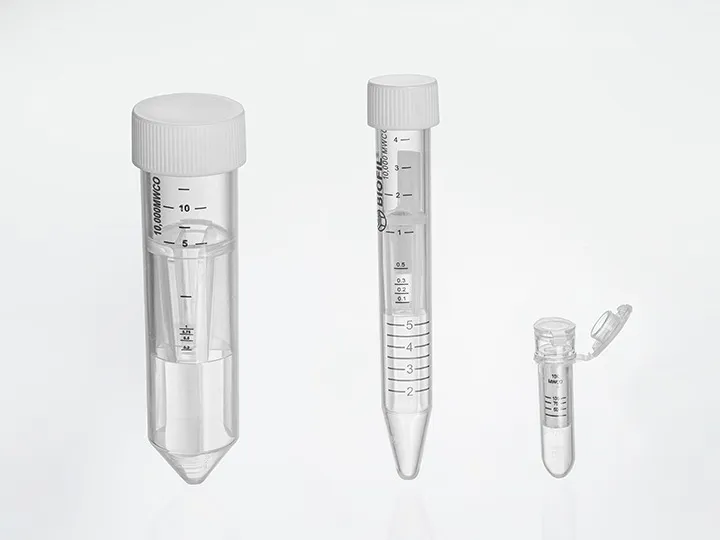
Beyond Contamination: The Many Benefits of Disposable Tubes
Disposable centrifuge tubes offer a host of advantages that go beyond just preventing contamination. These benefits contribute to overall lab efficiency, safety, and cost-effectiveness in the long run.
Time Savings: No need for washing, drying, or autoclaving. This saves valuable technician time, allowing them to focus on experiments rather than labware maintenance.
Reduced Labor Costs: Less time spent on cleaning means lower labor expenses for the lab.
Enhanced Safety: Handling potentially hazardous biological or chemical samples is safer with single-use tubes, as exposure to harmful substances during cleaning is eliminated.
Consistency and Reliability: Each new tube is identical, ensuring consistent performance and reducing variability in results due to worn or improperly cleaned labware.
Wide Availability: They come in various sizes and materials, suitable for almost any centrifugation need.
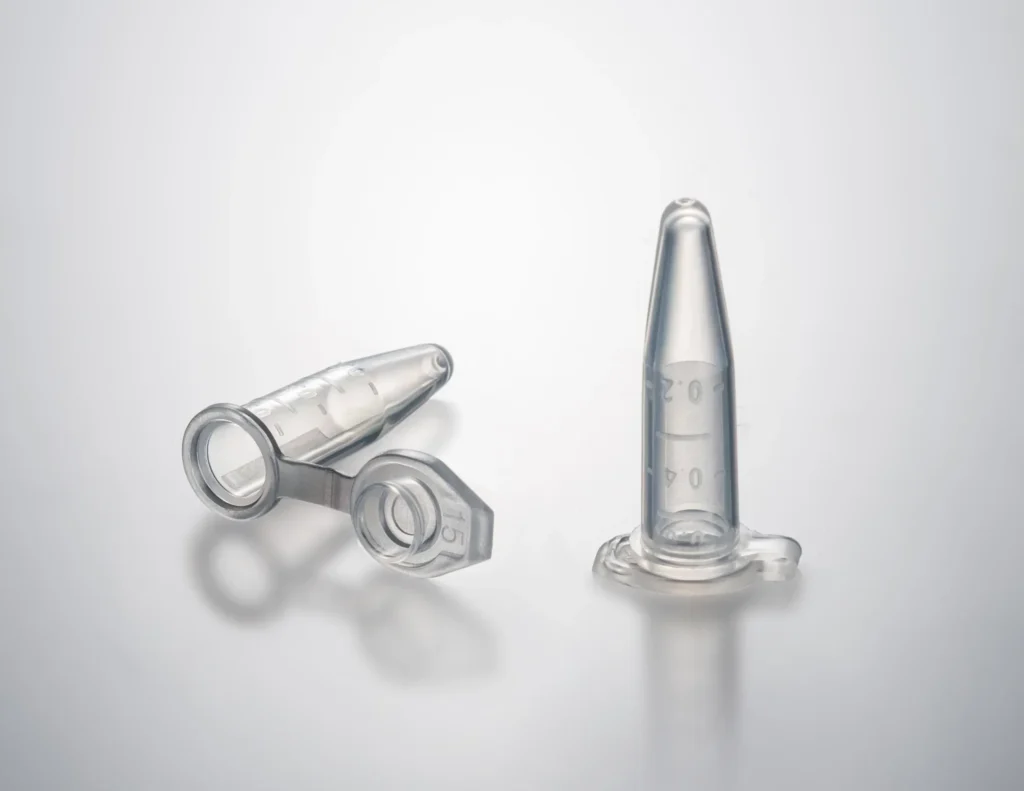
Why Disposable Centrifuge Tubes Lead the Way
| Feature | Disposable Centrifuge Tubes | Reusable Centrifuge Tubes |
| Contamination Risk | Extremely Low (Single Use) | Moderate (Risk with improper cleaning) |
| Preparation Time | Minimal (Unpack and use) | Significant (Cleaning, drying, sterilization) |
| Labor Cost | Low (No cleaning personnel needed) | High (Dedicated cleaning time and personnel) |
| Consistency | High (New tube every time) | Variable (Wear and tear, cleaning effectiveness) |
| Safety | High (Reduced exposure to hazardous materials) | Lower (Potential exposure during cleaning) |
Materials and Types: What Are Disposable Centrifuge Tubes Made Of?
Disposable centrifuge tubes are almost always made from high-quality plastics. The choice of plastic depends on the intended use, particularly regarding chemical resistance and the maximum centrifugal force (RCF) they can withstand.
Polypropylene (PP):
Description: The most common material due to its excellent chemical resistance, durability, and ability to withstand high centrifugal forces. It’s also often autoclavable (though for disposable tubes, this is usually unnecessary as they are pre-sterilized or intended for single use without further sterilization).
Best For: General lab use, molecular biology, cell culture, and applications requiring strong chemical resistance.
Polystyrene (PS):
Description: Known for its optical clarity, making it easy to view samples. However, it has lower chemical resistance and cannot withstand high centrifugal forces.
Best For: Applications where visual inspection is crucial, or for low-speed centrifugation with non-aggressive samples.
Polyethylene (PE):
Description: Softer than PP, making it easier to cut. It is used for specific applications where flexibility is needed.
Best For: Some microcentrifuge tubes or specific applications where easy access to the pellet is required by cutting the tube.
Polycarbonate (PC):
Description: Offers higher strength and can withstand greater RCFs than PP, but has less chemical resistance.
Best For: High-speed centrifugation where extreme forces are applied.
Disposable centrifuge tubes come in various forms, including:
Conical Bottom: The most common type, perfect for pelleting cells or other solid components, allowing for easy supernatant removal.
Round Bottom: Used for general mixing, reactions, or when a stable base is needed without pelleting.
Self-Standing: Have a flat base, allowing them to stand upright on a bench without a rack, which is very convenient.
Microcentrifuge Tubes: Small tubes (0.2 mL to 2.0 mL) used for small sample volumes in molecular biology.
Key Applications: Where Do We Use Disposable Centrifuge Tubes?
Disposable centrifuge tubes are indispensable across a wide range of scientific disciplines, supporting critical processes from basic research to clinical diagnostics. Their versatility and reliability make them a go-to choice for separating, concentrating, and preparing samples in many lab settings.
Common applications include:
Molecular Biology: Isolating DNA, RNA, and proteins from cells and tissues.
Cell Culture: Separating cells from culture media, washing cells, and preparing cell suspensions.
Clinical Diagnostics: Processing blood samples (e.g., separating plasma or serum), urine analysis, and other diagnostic tests.
Microbiology: Concentrating bacterial or yeast cultures for further analysis.
Biochemistry: Purifying proteins and enzymes, or preparing samples for various biochemical assays.
Pharmaceutical Research: Drug discovery and development, quality control, and formulation studies.
Market Trends 2025: The Growing Demand for Disposable Tubes
The demand for disposable centrifuge tubes is on a strong upward trend, reflecting the increasing activity in life sciences, healthcare, and research globally. The global disposable centrifuge tube market is estimated to reach approximately $2.5 billion in 2025, with a projected compound annual growth rate (CAGR) of about 7% from 2025 to 2033. This growth is fueled by several factors:
Rising R&D Investments: More money is being poured into research in biotechnology, pharmaceuticals, and diagnostics.
Increased Sample Throughput: Labs are processing more samples than ever, requiring efficient, high-volume consumables.
Focus on Contamination Control: The critical need for accurate and reliable results, especially in sensitive applications, drives the preference for sterile, single-use products.
Automation in Labs: Disposable tubes are often designed to be compatible with automated liquid handling systems, supporting high-throughput screening.
Shift Towards Single-Use: A growing trend across the medical and scientific sectors to use disposable items to minimize infection risks and streamline operations.
Disposable Centrifuge Tube Market at a Glance (2025 Projections)
| Metric | Value (USD Billion) |
| Market Size (2025) | 2.5 |
| Projected CAGR (2025-2033) | ~7% |
| Key Growth Drivers | R&D Investments, Automation, Contamination Control, Sample Throughput |
| Dominant Region | North America (approx. 40% market share) |
| Leading Applications | Biotechnology, Clinical Diagnostics, Academia, Pharma |
(Source: Industry market research reports, 2025 projections)
At OBO Biology Tech, we understand these trends. We are dedicated to producing high-quality disposable centrifuge tubes that support the cutting-edge work of our customers, ensuring both performance and reliability.
Safe Handling and Disposal: How Do We Use and Dispose of Disposable Centrifuge Tubes Responsibly?
Using disposable centrifuge tubes correctly and disposing of them safely is crucial for maintaining a safe lab environment and preventing the spread of contaminants. Always ensure tubes are properly balanced in the centrifuge and follow all relevant waste disposal guidelines for biohazardous or chemical waste to protect personnel and the environment.
Here are important steps:
Balance Your Samples: Before centrifugation, always make sure that tubes of equal weight are placed opposite each other in the centrifuge rotor. An unbalanced centrifuge can cause severe vibrations, leading to tube breakage and potential hazards.
Don’t Overfill: Fill tubes only to the recommended maximum volume. Overfilling can cause leaks or tube rupture during high-speed spinning.
Secure Caps: Ensure caps are tightly screwed on or snapped shut to prevent any leakage of samples, especially when working with hazardous materials.
Inspect Before Use: Quickly check each tube for any visible defects like cracks or deformities. While rare with new disposable tubes, it’s a good practice.
Proper Disposal: After use, disposable centrifuge tubes, especially those that contained biological samples or hazardous chemicals, must be disposed of as biohazardous waste or according to specific chemical waste protocols. This usually involves placing them in designated biohazard bags or waste containers for autoclaving and incineration, or other approved methods. Never dispose of them in regular trash.
Frequently Asked Questions About Disposable Centrifuge Tubes
H3: Why are most disposable centrifuge tubes made of plastic?
Most disposable centrifuge tubes are made of plastic because plastic materials like polypropylene offer excellent chemical resistance, durability, cost-effectiveness for single use, and the ability to withstand the high centrifugal forces required for sample separation. Plastics also allow for consistent, sterile manufacturing.
H3: Are disposable centrifuge tubes sterile?
Many disposable centrifuge tubes are indeed supplied as pre-sterilized, especially for sensitive applications like cell culture or molecular biology, where contamination must be strictly avoided. However, some general-purpose disposable tubes may be non-sterile, so it is important to check the product specifications and choose accordingly for your experiment.
H3: Can I reuse a disposable centrifuge tube if I clean it really well?
No, disposable centrifuge tubes are designed for single use only and should not be reused, even if cleaned thoroughly. The plastic material can weaken after initial stress from centrifugation, and microscopic residues may remain, leading to potential contamination or tube failure in subsequent uses.
H3: What sizes do disposable centrifuge tubes come in?
Disposable centrifuge tubes are available in a wide range of sizes to accommodate different sample volumes, with the most common ones being microcentrifuge tubes (0.2 mL, 0.5 mL, 1.5 mL, 2.0 mL), 15 mL conical tubes, and 50 mL conical tubes. Larger capacities like 250 mL or 500 mL bottles are also available for bulk processing.
H3: How do disposable centrifuge tubes help prevent cross-contamination?
Disposable centrifuge tubes prevent cross-contamination because each tube is used only once and then discarded, ensuring that no residue or microbial contaminants from a previous sample can affect a new one. This single-use approach eliminates the risks associated with inadequate cleaning or sterilization of reusable labware.
Buyer Quick Reference for The Disposable Advantage: Why Your Lab Needs Disposable Centrifuge Tubes in
For B2B buyers, The Disposable Advantage: Why Your Lab Needs Disposable Centrifuge Tubes in should be evaluated by application fit, material, sterility, packaging, documentation, reorder stability, and supplier communication. The best choice is the product that protects lab workflow reliability while remaining practical for repeated purchasing.
| Buying Factor | What to Check | Why It Matters |
|---|---|---|
| Application fit | Match the product to research, diagnostic, hospital, biotech, food testing, or distributor use. | Prevents overbuying, under-specifying, or selecting a format that does not fit the workflow. |
| Material and design | Confirm resin, surface, cap, seal, size, compatibility, and handling details. | Small specification differences can affect accuracy, contamination control, or user acceptance. |
| Sterility and cleanliness | Check sterile, non-sterile, DNase/RNase-free, non-pyrogenic, or gamma-irradiated options where relevant. | Cleanliness requirements vary widely between routine teaching labs and sensitive molecular or cell culture work. |
| Packaging | Review bagged, racked, individually wrapped, bulk carton, and OEM/private label options. | Packaging affects workflow speed, storage space, shipping cost, and distributor resale. |
| Supplier support | Ask for samples, product codes, carton details, lead time, MOQ, and repeat-order consistency. | Reliable supply is essential for labs that cannot pause work because a consumable is out of stock. |
How This Product Fits OBObio Lab Consumables Sourcing
OBObio positions this topic within a broader laboratory consumables sourcing plan, including centrifuge tubes, microcentrifuge tubes, cryogenic vials, sample storage tubes, and tube racks. Buyers can use one supplier conversation to compare related products, packaging formats, and sample options.
For laboratories, this reduces the risk of mismatched supplies. For distributors, it helps build a more complete catalog with consistent documentation and packaging. For first-time buyers, the practical path is to request samples, test the product in the real workflow, and then confirm carton quantity, lead time, and repeat-order pricing.
When sending an inquiry, include the application, expected quantity, destination country, sterile requirement, packaging preference, and any certification or documentation needs. Clear requirements help OBObio recommend the right product faster instead of giving a generic quote.
Supplier Evaluation Checklist
- Does the supplier understand the real laboratory application, not only the product name?
- Can the supplier provide samples before a bulk order?
- Are product specifications, carton quantity, MOQ, and lead time clear?
- Can the supplier support related consumables for one-stop procurement?
- Is OEM or private label packaging available for distributors?
- Can the same specification be supplied consistently for repeat orders?
FAQ: The Disposable Advantage: Why Your Lab Needs Disposable Centrifuge Tubes in
What should buyers check first?
Buyers should first define the application, required specification, sterility level, packaging format, and expected order quantity. These details determine whether a standard item is enough or whether a more specific supply option is needed.
Is the lowest price always the best option?
No. For laboratory consumables, product failure, contamination, leakage, poor fit, or unstable supply can cost more than a small unit-price difference. Buyers should balance price with consistency, documentation, and supplier responsiveness.
Can distributors request OEM packaging?
Yes. Many distributors need private label cartons, product labels, and stable carton specifications. MOQ, artwork, label language, and lead time should be confirmed before placing the first bulk order.
Why work with a broader
A broader supplier can help buyers coordinate related products, reduce communication work, consolidate shipments, and build a more reliable procurement plan for routine lab operations.
Request Pricing or Samples
Tell us the product type, quantity, destination country, and any packaging or certification requirements. OBObio will reply with suitable lab consumables options.