
What makes sterile lab equipment so important for research success? Sterile lab equipment prevents contamination, ensures accurate results, and protects researchers from harmful microorganisms. Without proper sterilization, lab experiments can fail, data becomes unreliable, and safety risks increase significantly.
Quick Reference: Sterile Lab Equipment Market Overview
| Market Metric | 2025 Value | Growth Rate |
|---|---|---|
| Global Lab Equipment Market | $35.9 billion | 7.62% CAGR |
| Sterilization Equipment Market | $7.9 billion | 11.3% CAGR |
| Lab Supplies Market | $49.18 billion | 14.78% CAGR |
| U.S. Sterilization Market | $4.86 billion (by 2032) | 11.25% CAGR |
Source: Market research data from 2025
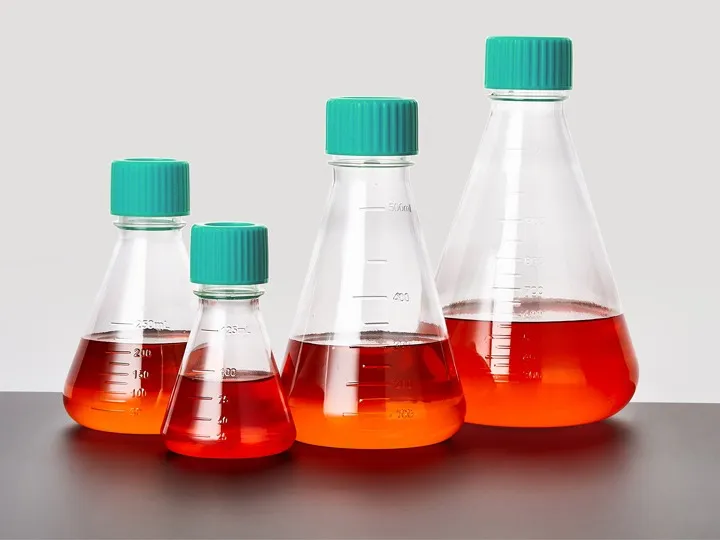
What Are the Main Types of Sterile Lab Equipment?
The main types of sterile lab equipment include autoclaves, biological safety cabinets, sterile pipettes, culture dishes, and laboratory incubators. Each type serves a specific purpose in maintaining sterile conditions during experiments.
Essential Sterile Equipment Categories:
1. Sterilization Equipment
- Autoclaves (steam sterilizers)
- Dry heat sterilizers
- Chemical sterilizers
- UV sterilization chambers
2. Containment Equipment
- Biological safety cabinets (BSCs)
- Laminar flow hoods
- Glove boxes
- Isolation chambers
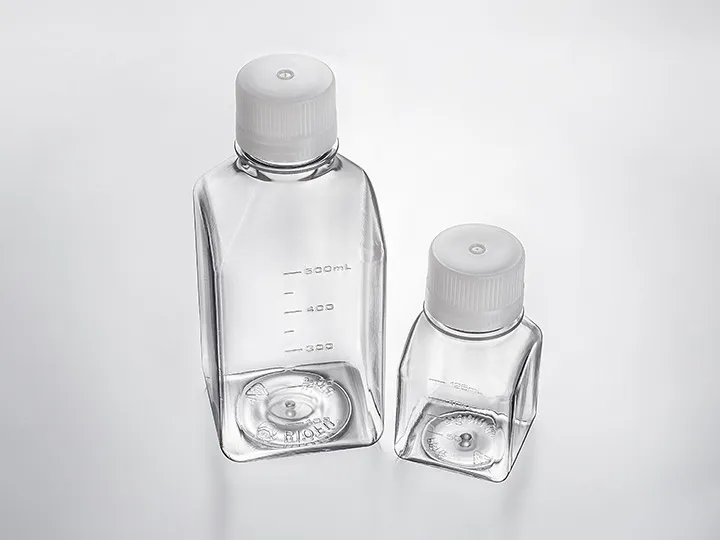
3. Sterile Consumables
- Pre-sterilized pipettes
- Sterile culture dishes
- Disposable loops and spreaders
- Sterile sample containers
4. Personal Protective Equipment
- Sterile gloves
- Face masks and shields
- Lab coats and gowns
- Shoe covers
How Does Sterilization Equipment Prevent Laboratory Contamination?
Sterilization equipment eliminates all forms of microbial life through heat, chemicals, or radiation. This process destroys bacteria, viruses, fungi, and spores that could interfere with experiments or pose health risks.
The sterilization process works through several methods:
- Heat sterilization uses temperatures above 121°C to denature proteins
- Chemical sterilization employs disinfectants like ethylene oxide
- Radiation sterilization uses UV light or gamma rays to damage DNA
- Filtration removes microorganisms through physical barriers
According to the CDC, contamination of a sterile item is event-related and the probability of contamination increases with increased handling. This means proper handling is just as important as the sterilization process itself.
Why Is Sterile Lab Equipment Critical for Research Accuracy?
Sterile lab equipment ensures research accuracy by eliminating variables that could skew results. Contamination can cause false positives, mask true effects, and make experiments unrepeatable.
Research shows that even small amounts of contamination can:
- Change pH levels in cell cultures
- Introduce competing microorganisms
- Alter chemical reactions
- Produce misleading data
Moreover, the growing biotechnology industry requires strict sterility standards. According to the U.S. FDA about 70 biosimilars were approved in the country as of April 2025, which are contributing to an increasing demand for sterilization protocols across manufacturing facilities.
What Are the Different Sterilization Methods for Lab Equipment?
The main sterilization methods include steam sterilization (autoclaving), dry heat, chemical sterilization, and radiation. Each method has specific applications depending on the equipment material and contamination risk level.
Steam Sterilization (Autoclaving)
- Temperature: 121-134°C
- Time: 15-60 minutes
- Best for: Heat-resistant materials, glassware, media
- Effectiveness: 99.9% pathogen elimination
Dry Heat Sterilization
- Temperature: 160-180°C
- Time: 1-3 hours
- Best for: Metal instruments, powders, oils
- Advantage: No moisture damage
Chemical Sterilization
- Common agents: Ethylene oxide, hydrogen peroxide
- Temperature: Room temperature to 60°C
- Best for: Heat-sensitive equipment
- Note: Requires ventilation systems
UV Radiation
- Wavelength: 254 nm
- Time: 30-60 minutes
- Best for: Surface sterilization, air treatment
- Limitation: No penetration through materials
How Much Does Sterile Lab Equipment Cost?
Sterile lab equipment costs range from $50 for basic consumables to $50,000+ for advanced autoclaves. The total investment depends on lab size, research type, and safety requirements.
Cost Breakdown by Category:
| Equipment Type | Price Range | Typical Lifespan |
|---|---|---|
| Basic Autoclave | $3,000 – $15,000 | 10-15 years |
| Biological Safety Cabinet | $5,000 – $25,000 | 15-20 years |
| Sterile Pipettes (box) | $50 – $200 | Single use |
| UV Sterilizer | $500 – $3,000 | 5-10 years |
| Chemical Sterilizer | $10,000 – $50,000 | 10-15 years |
The market growth reflects increasing investment in sterile equipment. The global laboratory supplies market size was valued at USD 45267.14 million in 2024 and is projected to reach from USD 49184.29 million in 2025 to USD 81243.42 million by 2033, exhibiting a CAGR of 14.78%.
Which Industries Require Sterile Lab Equipment Most?
Pharmaceutical, biotechnology, medical device, food safety, and clinical diagnostic industries require sterile lab equipment most. These sectors handle sensitive materials where contamination can have serious consequences.
Key Industries Using Sterile Equipment:
Pharmaceutical Manufacturing
- Drug development and testing
- Quality control laboratories
- Regulatory compliance requirements
- Sterile compounding facilities
Biotechnology Research
- Cell culture laboratories
- Genetic engineering facilities
- Vaccine development centers
- Biomarker research labs
Medical Diagnostics
- Hospital laboratories
- Blood banks
- Pathology departments
- Infectious disease testing
Food Safety Testing
- Microbiology laboratories
- Quality assurance facilities
- Research and development kitchens
- Regulatory testing centers
The demand continues growing as strong demand from hospitals, dentists’ offices, pharmaceutical manufacturing facilities, and research labs fuels development.
What Are Common Mistakes When Using Sterile Lab Equipment?
Common mistakes include improper loading of autoclaves, inadequate cleaning before sterilization, mixing sterile and non-sterile items, and poor aseptic technique during handling.
Top 10 Sterilization Mistakes:
- Overloading autoclaves – Prevents proper steam circulation
- Insufficient pre-cleaning – Organic matter blocks sterilization
- Wrong cycle selection – Different materials need different settings
- Poor packaging – Blocks steam penetration
- Ignoring maintenance – Reduces equipment effectiveness
- Inadequate drying – Leaves moisture for bacteria growth
- Improper storage – Allows recontamination
- Mixing materials – Some items can’t be sterilized together
- Skipping validation – No proof sterilization worked
- Poor documentation – Can’t track sterilization history
Prevention Strategies:
- Follow manufacturer instructions exactly
- Train all staff on proper procedures
- Use biological indicators for validation
- Maintain detailed sterilization logs
- Perform regular equipment maintenance
How to Choose the Right Sterile Lab Equipment for Your Needs?
Choose sterile lab equipment based on your specific applications, budget, space constraints, and safety requirements. Consider throughput needs, material compatibility, and maintenance requirements when making decisions.
Selection Criteria Checklist:
Application Requirements
- What materials will you sterilize?
- How often will you use the equipment?
- What contamination risks exist?
- Are there regulatory requirements?
Technical Specifications
- Chamber size and capacity
- Temperature and pressure ranges
- Cycle time requirements
- Validation capabilities
Practical Considerations
- Available space and utilities
- Staff training requirements
- Maintenance and service needs
- Operating costs over time
Budget Planning
- Initial purchase price
- Installation and setup costs
- Annual maintenance expenses
- Consumables and supplies
Recommended Approach:
- Assess your needs – List all items requiring sterilization
- Research options – Compare different technologies
- Request demonstrations – See equipment in action
- Check references – Talk to current users
- Plan for growth – Consider future expansion needs
What Maintenance Does Sterile Lab Equipment Require?
Sterile lab equipment requires daily cleaning, weekly performance checks, monthly calibration verification, and annual professional servicing. Proper maintenance ensures reliable sterilization and extends equipment life.
Daily Maintenance Tasks:
- Clean chamber and exterior surfaces
- Check door seals and gaskets
- Verify pressure and temperature displays
- Empty drain systems
- Document all readings
Weekly Maintenance:
- Run biological indicator tests
- Check steam quality
- Inspect filters and traps
- Test safety systems
- Review cycle printouts
Monthly Maintenance:
- Calibrate temperature sensors
- Test pressure relief valves
- Check electrical connections
- Clean internal components
- Update maintenance logs
Annual Maintenance:
- Professional service inspection
- Replace worn parts
- Recalibrate all systems
- Update safety certifications
- Plan equipment upgrades
Remember: Well-maintained equipment provides consistent results and reduces the risk of contamination. Many regulatory agencies require documented maintenance programs for compliance.
People Also Ask About Sterile Lab Equipment:
Q: How long does sterile lab equipment stay sterile?
A: Properly sterilized and stored lab equipment remains sterile indefinitely if packaging stays intact. However, most facilities use time-based expiration dates (6 months to 2 years) for quality assurance.
Q: Can you sterilize all lab equipment the same way?
A: No, different materials require different sterilization methods. Heat-sensitive plastics need chemical or low-temperature sterilization, while metals can handle high-temperature steam sterilization.
Q: What’s the difference between disinfection and sterilization?
A: Disinfection reduces harmful microorganisms to safe levels, while sterilization eliminates all forms of microbial life including spores. Sterilization provides a higher level of safety.
Q: How do you validate that sterilization worked?
A: Use biological indicators containing resistant bacterial spores. If the spores die during the cycle, the sterilization was effective. Chemical indicators also show that proper conditions were reached.
Q: Is sterile lab equipment required by law?
A: Many industries have regulatory requirements for sterile equipment. FDA, OSHA, and other agencies mandate sterilization in pharmaceutical, medical device, and clinical laboratories.
Q: What happens if lab equipment isn’t properly sterilized?
A: Improper sterilization can lead to contaminated experiments, false results, product recalls, regulatory violations, and potential health risks to laboratory personnel.
Q: How often should sterile lab equipment be replaced?
A: Replacement depends on usage, maintenance, and technology advances. Most autoclaves last 10-15 years, while safety cabinets can last 15-20 years with proper care.
Conclusion
Sterile lab equipment forms the foundation of safe, accurate scientific research. With the laboratory equipment market growing at 7.62% between 2024 and 2034, investing in proper sterilization technology is more important than ever.
Whether you’re setting up a new laboratory or upgrading existing equipment, remember that quality sterile equipment protects your research, your team, and your results. Choose equipment that meets your specific needs, maintain it properly, and train your team thoroughly.
For more information about laboratory equipment solutions, visit OBO Biology at obobio.com to explore our comprehensive range of sterile lab equipment designed for modern research facilities.
This article provides general information about sterile lab equipment. Always consult with equipment manufacturers and follow regulatory guidelines for your specific applications.
Buyer Quick Reference for The How to Choose Sterile Lab Equipment: Everything You Need to Know
For B2B buyers, The How to Choose Sterile Lab Equipment: Everything You Need to Know should be evaluated by application fit, material, sterility, packaging, documentation, reorder stability, and supplier communication. The best choice is the product that protects lab workflow reliability while remaining practical for repeated purchasing.
| Buying Factor | What to Check | Why It Matters |
|---|---|---|
| Application fit | Match the product to research, diagnostic, hospital, biotech, food testing, or distributor use. | Prevents overbuying, under-specifying, or selecting a format that does not fit the workflow. |
| Material and design | Confirm resin, surface, cap, seal, size, compatibility, and handling details. | Small specification differences can affect accuracy, contamination control, or user acceptance. |
| Sterility and cleanliness | Check sterile, non-sterile, DNase/RNase-free, non-pyrogenic, or gamma-irradiated options where relevant. | Cleanliness requirements vary widely between routine teaching labs and sensitive molecular or cell culture work. |
| Packaging | Review bagged, racked, individually wrapped, bulk carton, and OEM/private label options. | Packaging affects workflow speed, storage space, shipping cost, and distributor resale. |
| Supplier support | Ask for samples, product codes, carton details, lead time, MOQ, and repeat-order consistency. | Reliable supply is essential for labs that cannot pause work because a consumable is out of stock. |
How This Product Fits OBObio Lab Consumables Sourcing
OBObio positions this topic within a broader laboratory consumables sourcing plan, including lab consumables, disposable laboratory supplies, sample handling products, and PPE. Buyers can use one supplier conversation to compare related products, packaging formats, and sample options.
For laboratories, this reduces the risk of mismatched supplies. For distributors, it helps build a more complete catalog with consistent documentation and packaging. For first-time buyers, the practical path is to request samples, test the product in the real workflow, and then confirm carton quantity, lead time, and repeat-order pricing.
When sending an inquiry, include the application, expected quantity, destination country, sterile requirement, packaging preference, and any certification or documentation needs. Clear requirements help OBObio recommend the right product faster instead of giving a generic quote.
Supplier Evaluation Checklist
- Does the supplier understand the real laboratory application, not only the product name?
- Can the supplier provide samples before a bulk order?
- Are product specifications, carton quantity, MOQ, and lead time clear?
- Can the supplier support related consumables for one-stop procurement?
- Is OEM or private label packaging available for distributors?
- Can the same specification be supplied consistently for repeat orders?
FAQ: The How to Choose Sterile Lab Equipment: Everything You Need to Know
What should buyers check first?
Buyers should first define the application, required specification, sterility level, packaging format, and expected order quantity. These details determine whether a standard item is enough or whether a more specific supply option is needed.
Is the lowest price always the best option?
No. For laboratory consumables, product failure, contamination, leakage, poor fit, or unstable supply can cost more than a small unit-price difference. Buyers should balance price with consistency, documentation, and supplier responsiveness.
Can distributors request OEM packaging?
Yes. Many distributors need private label cartons, product labels, and stable carton specifications. MOQ, artwork, label language, and lead time should be confirmed before placing the first bulk order.
Why work with a broader
A broader supplier can help buyers coordinate related products, reduce communication work, consolidate shipments, and build a more reliable procurement plan for routine lab operations.
Request Pricing or Samples
Tell us the product type, quantity, destination country, and any packaging or certification requirements. OBObio will reply with suitable lab consumables options.