
What is an ELISA Plate and Why Does Every Lab Need One?
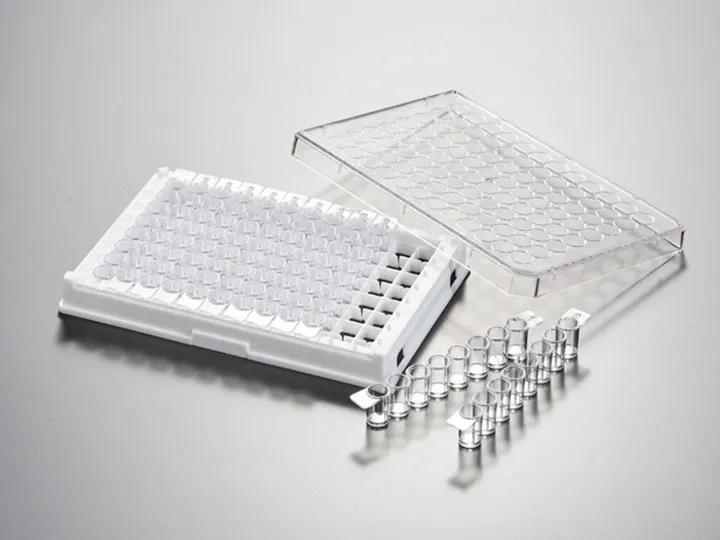
An ELISA plate is a specialized microplate designed for enzyme-linked immunosorbent assays (ELISA). These plates contain multiple wells that hold samples and reagents for detecting specific proteins, antibodies, or antigens in biological samples. Furthermore, ELISA plates are essential tools in medical diagnostics, research laboratories, and pharmaceutical development because they provide accurate, reproducible results for detecting diseases and measuring biological molecules.
The global ELISA plate market demonstrates the importance of these laboratory tools. Additionally, the market was valued at USD 1.2 Billion in 2024 and is projected to reach USD 2.5 Billion by 2033, exhibiting a CAGR of 9.2%. This growth shows how critical ELISA plates are becoming in modern healthcare and research.
Quick Reference: ELISA Plate Market & Technical Specifications
| Market Data | 2024 Statistics |
|---|---|
| Global Market Size | $1.2 Billion USD |
| Projected 2033 Value | $2.5 Billion USD |
| Growth Rate (CAGR) | 9.2% annually |
| Leading Region | North America (42% market share) |
| Plate Format | Wells | Volume per Well | Best For |
|---|---|---|---|
| 96-Well Standard | 96 | Up to 300 µL | Routine testing, standard protocols |
| 384-Well High-Density | 384 | Up to 120 µL | High-throughput screening, cost savings |
| 1536-Well Ultra-High | 1536 | 10-20 µL | Ultra-high throughput, drug discovery |
How Do ELISA Plates Work in Laboratory Testing?
ELISA plates work by using enzyme-linked antibodies to detect specific target molecules in samples. Each well in the plate acts as a tiny test tube where antibodies, samples, and detection reagents interact to produce measurable signals. Moreover, the flat-bottom design of ELISA plate wells allows for optical readings using specialized plate readers.
The basic process involves these steps:
- Sample Addition: Biological samples are added to coated wells
- Binding Phase: Target molecules bind to capture antibodies
- Detection: Enzyme-linked secondary antibodies create color changes
- Reading: Plate readers measure the optical density of each well
What Are the Different Types of ELISA Plates Available?
The main types of ELISA plates include 96-well standard plates, 384-well high-density plates, and specialized surface-treated plates. Each type serves different laboratory needs based on throughput requirements and sample volumes. Therefore, choosing the right ELISA plate type is crucial for experimental success.
96-Well ELISA Plates
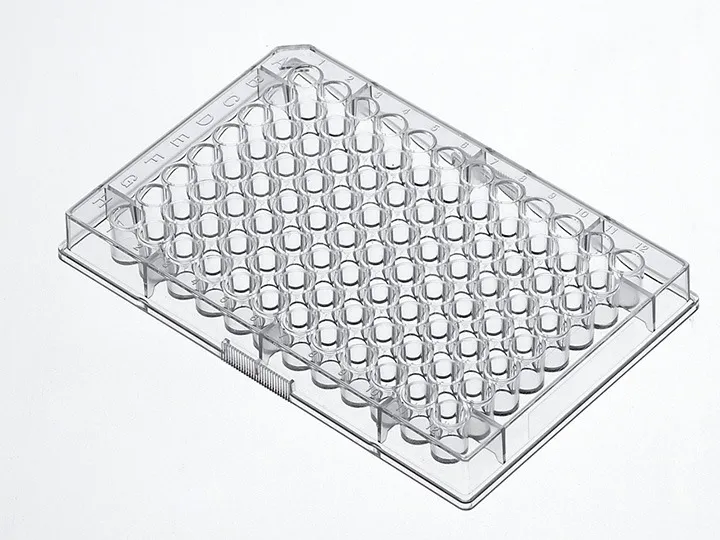
The 96-well format remains the most popular choice for routine laboratory work. These plates measure 127.71 mm × 85.43 mm and hold up to 300 µL per well. Additionally, they offer excellent compatibility with standard laboratory equipment.
384-Well ELISA Plates
A 384 well plate contains four times as many wells as a 96-well plate, with a total of 384 wells. Furthermore, these plates enable higher sample throughput and reduce reagent costs by using smaller volumes (typically 120 µL per well).
Specialized Surface Coatings
ELISA plates come with different surface treatments:
- MaxiSorp: High protein binding capacity
- PolySorp: Medium binding for various molecules
- MediSorp: Low to medium binding capacity
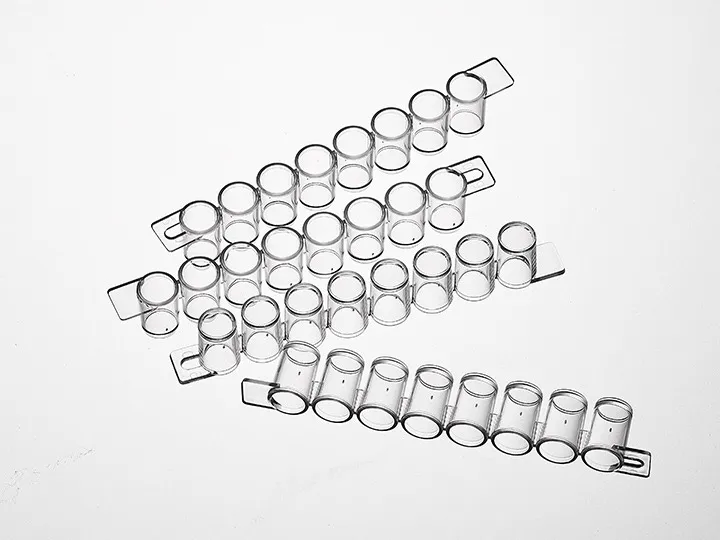
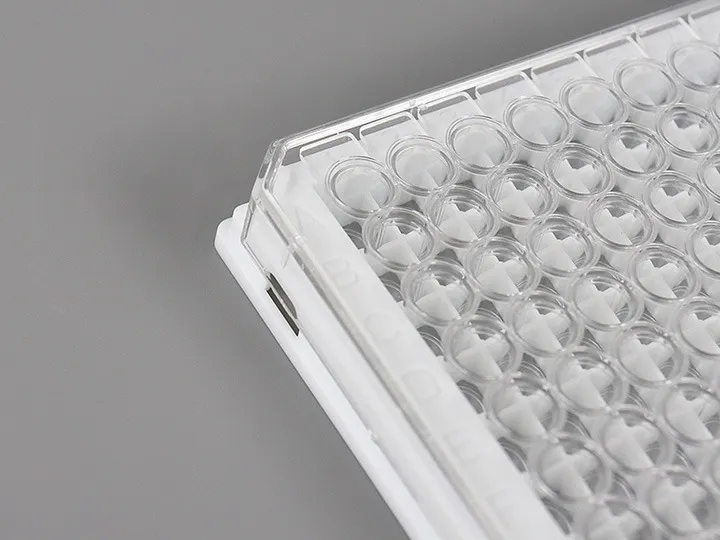
- Clear vs. White: Clear plates for colorimetric assays, white plates for luminescent detection
Which ELISA Plate Format Should You Choose for Your Lab?
Choose 96-well ELISA plates for standard testing with larger sample volumes, or select 384-well plates for high-throughput screening and cost-effective reagent usage. Your choice depends on sample volume, throughput needs, and budget considerations. Consequently, understanding your specific requirements helps optimize laboratory efficiency.
Here’s a practical comparison guide:
96-Well Plates Are Best For:
- Routine diagnostic testing
- Standard research protocols
- Larger sample volumes (200-300 µL)
- Manual pipetting workflows
- Budget-conscious laboratories
384-Well Plates Are Best For:
- High-throughput screening
- Automated liquid handling systems
- Reagent cost reduction (75% less volume needed)
- Pharmaceutical research
- Large-scale studies
How Much Do ELISA Plates Cost and What Affects Pricing?
ELISA plate prices typically range from $3-15 per plate, depending on the format, surface coating, and manufacturer. High-quality plates with specialized coatings cost more but provide better assay performance and reproducibility. However, the cost per test often decreases with higher-density formats like 384-well plates.
Factors affecting ELISA plate pricing include:
- Well density (96-well vs. 384-well vs. 1536-well)
- Surface treatment (standard vs. high-binding vs. specialized coatings)
- Manufacturer reputation and quality certifications
- Purchase volume (bulk discounts available)
- Sterility requirements (sterile vs. non-sterile packaging)
What Quality Standards Should ELISA Plates Meet?
High-quality ELISA plates must meet strict manufacturing standards including uniform well dimensions, consistent surface binding, and low background fluorescence. Look for plates that comply with SBS (Society for Biomolecular Screening) standards and ISO certifications. Additionally, reputable manufacturers provide certificates of analysis with each batch.
Key quality indicators include:
- Well-to-well uniformity (CV < 5%)
- Consistent binding capacity across all wells
- Low background signal for sensitive assays
- Optical clarity for accurate readings
- Chemical resistance to common reagents
How Do You Store and Handle ELISA Plates Properly?
Store ELISA plates in their original packaging at room temperature in a dry environment. Avoid temperature fluctuations, direct sunlight, and humid conditions that can affect plate performance. Furthermore, proper handling prevents contamination and maintains assay quality.
Best practices for ELISA plate storage:
- Keep plates sealed until use
- Store at 15-25°C (59-77°F)
- Maintain humidity below 60%
- Avoid freezing or excessive heat
- Check expiration dates regularly
- Use first-in, first-out inventory rotation
What Are Common ELISA Plate Problems and Solutions?
Common ELISA plate issues include high background signals, poor reproducibility, and edge effects. These problems often result from improper storage, contamination, or using expired plates. Nevertheless, following proper protocols prevents most issues.
Troubleshooting guide:
| Problem | Possible Cause | Solution |
|---|---|---|
| High background | Contaminated wells | Use fresh plates, improve washing |
| Poor precision | Temperature variation | Ensure consistent incubation conditions |
| Edge effects | Evaporation | Use plate sealers, maintain humidity |
| Low signal | Old reagents | Check expiration dates, use fresh reagents |
| Inconsistent results | Pipetting errors | Calibrate pipettes, use proper technique |
Which Industries Use ELISA Plates Most Frequently?
The pharmaceutical industry, clinical diagnostics, and academic research institutions are the largest users of ELISA plates. These sectors rely on ELISA technology for drug development, disease diagnosis, and scientific research. Moreover, North America dominated the global market with a market share of more than 42% due to advanced healthcare infrastructure.
Primary applications include:
- Clinical Diagnostics: Disease detection and monitoring
- Pharmaceutical Research: Drug discovery and development
- Food Safety Testing: Contamination and allergen detection
- Environmental Monitoring: Toxin and pollutant analysis
- Veterinary Diagnostics: Animal health testing
What Future Trends Will Impact ELISA Plate Technology?
Future ELISA plate innovations focus on higher density formats, improved surface chemistry, and integration with automated systems. Additionally, microfluidic technologies and point-of-care applications are driving new plate designs. Therefore, laboratories should prepare for more efficient and versatile testing platforms.
Emerging trends include:
- Ultra-high density formats (3456-well plates)
- Specialized surface coatings for difficult targets
- Integrated quality control features
- Eco-friendly materials and packaging
- Smart plates with embedded sensors
Frequently Asked Questions About ELISA Plates
What is the difference between ELISA plates and cell culture plates?
ELISA plates have specialized surface coatings optimized for protein binding, while cell culture plates are designed for cell growth and attachment. ELISA plates also have flat bottoms for optical reading, whereas cell culture plates may have different bottom shapes. Additionally, the surface chemistry differs significantly between these plate types.
How many times can you reuse an ELISA plate?
ELISA plates are designed for single-use applications and should not be reused. Reusing plates can lead to contamination, carryover effects, and unreliable results. However, proper plate selection and protocol optimization can minimize costs while maintaining quality.
What is the standard volume for ELISA plate wells?
Standard 96-well ELISA plates hold 200-400 µL per well, while 384-well plates typically hold 80-120 µL per well. The actual working volume is usually 50-70% of the maximum capacity to prevent overflow and ensure proper mixing. Furthermore, smaller volumes in high-density plates reduce reagent costs.
Can ELISA plates be used for other assays besides ELISA?
Yes, ELISA plates can be used for various immunoassays, colorimetric assays, and fluorescent-based assays. However, the surface coating should match the specific assay requirements for optimal performance. Therefore, verify plate compatibility before using for alternative applications.
How do you prevent contamination when using ELISA plates?
Prevent contamination by using sterile techniques, changing pipette tips between samples, and avoiding cross-contamination between wells. Additionally, store plates properly and use them within the recommended timeframe. Moreover, proper laboratory practices and quality control measures ensure reliable results.
Conclusion: Choosing the Right ELISA Plate for Your Laboratory
ELISA plates are fundamental tools in modern laboratory testing, with the market growing rapidly due to increasing demand for diagnostic testing and research applications. Whether you need standard 96-well plates for routine work or high-density 384-well plates for large-scale screening, selecting the right format and quality standards ensures successful assays.
At OBO Biology, we understand the importance of reliable laboratory equipment for your research and diagnostic needs. Visit obobio.com to explore our comprehensive selection of ELISA plates and laboratory supplies designed to meet the highest quality standards.
Remember that investing in high-quality ELISA plates saves money in the long run by providing consistent results, reducing failed experiments, and improving overall laboratory efficiency. Choose plates from reputable manufacturers, follow proper storage and handling procedures, and match the plate specifications to your specific assay requirements for the best results.
Looking for lab supplies or custom solutions? Send us your inquiry now.Buyer Quick Reference for How to Choose The Complete ELISA Plate Guide: Everything You Need to Know for Laboratory Testing
For B2B buyers, How to Choose The Complete ELISA Plate Guide: Everything You Need to Know for Laboratory Testing should be evaluated by application fit, material, sterility, packaging, documentation, reorder stability, and supplier communication. The best choice is the product that protects lab workflow reliability while remaining practical for repeated purchasing.
| Buying Factor | What to Check | Why It Matters |
|---|---|---|
| Application fit | Match the product to research, diagnostic, hospital, biotech, food testing, or distributor use. | Prevents overbuying, under-specifying, or selecting a format that does not fit the workflow. |
| Material and design | Confirm resin, surface, cap, seal, size, compatibility, and handling details. | Small specification differences can affect accuracy, contamination control, or user acceptance. |
| Sterility and cleanliness | Check sterile, non-sterile, DNase/RNase-free, non-pyrogenic, or gamma-irradiated options where relevant. | Cleanliness requirements vary widely between routine teaching labs and sensitive molecular or cell culture work. |
| Packaging | Review bagged, racked, individually wrapped, bulk carton, and OEM/private label options. | Packaging affects workflow speed, storage space, shipping cost, and distributor resale. |
| Supplier support | Ask for samples, product codes, carton details, lead time, MOQ, and repeat-order consistency. | Reliable supply is essential for labs that cannot pause work because a consumable is out of stock. |
How This Product Fits OBObio Lab Consumables Sourcing
OBObio positions this topic within a broader laboratory consumables sourcing plan, including petri dishes, ELISA plates, PCR plates, culture plates, and microbiology plasticware. Buyers can use one supplier conversation to compare related products, packaging formats, and sample options.
For laboratories, this reduces the risk of mismatched supplies. For distributors, it helps build a more complete catalog with consistent documentation and packaging. For first-time buyers, the practical path is to request samples, test the product in the real workflow, and then confirm carton quantity, lead time, and repeat-order pricing.
When sending an inquiry, include the application, expected quantity, destination country, sterile requirement, packaging preference, and any certification or documentation needs. Clear requirements help OBObio recommend the right product faster instead of giving a generic quote.
Supplier Evaluation Checklist
- Does the supplier understand the real laboratory application, not only the product name?
- Can the supplier provide samples before a bulk order?
- Are product specifications, carton quantity, MOQ, and lead time clear?
- Can the supplier support related consumables for one-stop procurement?
- Is OEM or private label packaging available for distributors?
- Can the same specification be supplied consistently for repeat orders?
FAQ: How to Choose The Complete ELISA Plate Guide: Everything You Need to Know for Laboratory Testing
What should buyers check first?
Buyers should first define the application, required specification, sterility level, packaging format, and expected order quantity. These details determine whether a standard item is enough or whether a more specific supply option is needed.
Is the lowest price always the best option?
No. For laboratory consumables, product failure, contamination, leakage, poor fit, or unstable supply can cost more than a small unit-price difference. Buyers should balance price with consistency, documentation, and supplier responsiveness.
Can distributors request OEM packaging?
Yes. Many distributors need private label cartons, product labels, and stable carton specifications. MOQ, artwork, label language, and lead time should be confirmed before placing the first bulk order.
Why work with a broader
A broader supplier can help buyers coordinate related products, reduce communication work, consolidate shipments, and build a more reliable procurement plan for routine lab operations.
Request Pricing or Samples
Tell us the product type, quantity, destination country, and any packaging or certification requirements. OBObio will reply with suitable lab consumables options.