
Sterile lab supplies are specially treated materials that contain no living microorganisms, while non-sterile lab supplies may contain harmless microbes but are suitable for general laboratory work. Understanding this difference can save laboratories thousands of dollars annually while ensuring research quality and compliance. But how do you know which type your lab actually needs?
What Makes Lab Supplies Sterile or Non-Sterile?
Sterile lab supplies undergo specialized sterilization processes like gamma radiation, ethylene oxide gas, or autoclave treatment to eliminate all viable microorganisms completely. Non-sterile supplies, however, are manufactured under clean conditions but haven’t been through these intensive sterilization processes.
The global laboratory supplies market, valued at $47.93 billion in 2024, shows increasing demand for both types. Specifically, sterile supplies represent approximately 35% of this market, driven primarily by pharmaceutical and biotechnology research requirements.

Quick Reference: Sterile vs. Non-Sterile Lab Supplies
| Factor | Sterile Lab Supplies | Non-Sterile Lab Supplies |
|---|---|---|
| Cost | 30-50% more expensive | Standard pricing |
| Applications | Cell culture, pharmaceutical, medical diagnostics | General research, educational labs |
| Contamination Risk | Virtually zero microbial contamination | Acceptable for non-critical applications |
| Market Share | 35% of $47.93 billion lab supplies market | 65% of global market |
| Shelf Life | 2-5 years when unopened | Variable, often longer |
| Packaging | Individual, sealed packages | Bulk or standard packaging |
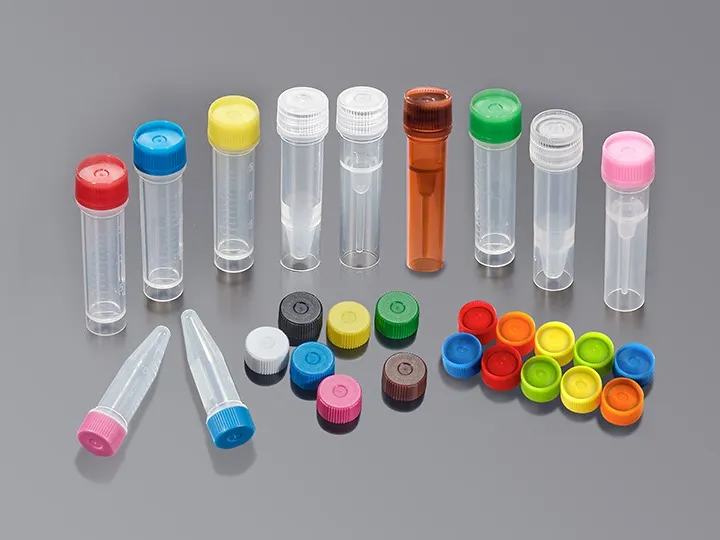
Key Manufacturing Differences
Sterilization Methods:
- Gamma Radiation: Most common for plastic supplies
- Ethylene Oxide (ETO): Used for heat-sensitive materials
- Steam Sterilization: Ideal for glassware and metal tools
- Electron Beam: Fast, effective for certain plastics
Quality Control Standards:
- Sterile supplies must meet USP <797> and ISO 13485 standards
- Non-sterile supplies follow standard manufacturing practices
- Batch testing ensures sterility assurance levels (SAL) of 10⁻⁶
When Should You Use Sterile Lab Supplies?
Sterile lab supplies are essential for cell culture work, pharmaceutical manufacturing, medical device testing, and any application where microbial contamination could compromise results or safety. Research shows that contamination incidents can cost pharmaceutical companies millions in penalties and product recalls.
For example, mold contamination of cleanroom HEPA filters resulted in $18.2 million in criminal and civil penalties for one manufacturer, highlighting the critical importance of using appropriate sterile supplies.
Critical Applications Requiring Sterile Supplies:
- Cell and Tissue Culture
- Maintaining viable cell lines
- Preventing bacterial or fungal contamination
- Ensuring reproducible experimental results
- Pharmaceutical Research and Manufacturing
- Drug development and testing
- Quality control procedures
- Regulatory compliance requirements
- Medical Diagnostics
- Clinical specimen processing
- Microbiological testing
- Patient safety protocols
- Biotechnology Applications
- Protein purification
- DNA/RNA extraction
- Enzyme assays and reactions
What Are the Cost Differences Between Sterile and Non-Sterile Supplies?
Sterile lab supplies typically cost 30-50% more than their non-sterile counterparts due to additional manufacturing steps, specialized packaging, and quality assurance testing. However, this investment often prevents costly contamination events that could shut down entire research projects.
Cost Analysis Breakdown:
| Supply Type | Non-Sterile Price | Sterile Price | Price Difference |
|---|---|---|---|
| Petri Dishes (100 pack) | $25 | $38 | +52% |
| Pipette Tips (1000 pack) | $45 | $68 | +51% |
| Culture Flasks | $85 | $125 | +47% |
| Serological Pipettes | $95 | $140 | +47% |
Annual Budget Impact:
- Small research labs: $2,000-5,000 additional annual cost
- Medium laboratories: $10,000-25,000 extra yearly
- Large pharmaceutical facilities: $100,000+ additional investment
The key is determining precisely which applications truly require sterile supplies versus those where non-sterile materials are perfectly adequate.
How Long Do Sterile Lab Supplies Stay Sterile?
Sterile lab supplies maintain their sterility for 2-5 years when stored in unopened, undamaged packaging under proper environmental conditions. Once opened, however, sterility is immediately compromised and supplies should be used quickly or discarded.
Factors Affecting Sterile Supply Longevity:
Storage Conditions:
- Temperature: 15-25°C (59-77°F)
- Humidity: Less than 70% relative humidity
- Light exposure: Minimize UV light contact
- Air quality: Clean, dry environment preferred
Packaging Integrity:
- Intact seals and wrapping
- No tears, punctures, or damage
- Proper labeling with expiration dates
- Manufacturer’s storage recommendations
Environmental Factors:
- Avoid extreme temperature fluctuations
- Prevent moisture accumulation
- Keep away from chemical vapors
- Maintain clean storage areas
Which Industries Require Sterile vs. Non-Sterile Lab Supplies?
Pharmaceutical, biotechnology, medical device, and clinical diagnostic industries primarily require sterile lab supplies, while educational institutions, environmental testing labs, and general research facilities often use non-sterile supplies effectively.
Industry Breakdown:
Sterile Supply Industries:
- Pharmaceutical Manufacturing (45% market share)
- Biotechnology Research (25% market share)
- Medical Device Testing (15% market share)
- Clinical Diagnostics (15% market share)
Non-Sterile Supply Industries:
- Educational Institutions (40% market share)
- Environmental Testing (25% market share)
- Chemical Research (20% market share)
- Material Science (15% market share)
The laboratory supplies market is projected to reach $81.24 billion by 2033, with sterile supplies driving much of this growth due to increasing pharmaceutical research and biotechnology development.
Can You Convert Non-Sterile Supplies to Sterile?
Most non-sterile lab supplies cannot be effectively sterilized in typical laboratory settings because they lack appropriate packaging and may be damaged by sterilization processes. Attempting to sterilize non-sterile supplies often compromises their functionality and may not achieve true sterility.
Why DIY Sterilization Usually Fails:
Material Compatibility Issues:
- Plastics may melt or deform during autoclaving
- Some materials absorb sterilizing agents
- Heat-sensitive components can be damaged
- Chemical residues may remain after treatment
Packaging Problems:
- Non-sterile supplies lack sterile packaging
- Recontamination occurs immediately after sterilization
- Proper sterile handling protocols are complex
- Quality assurance testing is unavailable
Cost-Effectiveness Concerns:
- Time and labor costs for sterilization
- Risk of damaging expensive equipment
- No guarantee of sterility achievement
- Liability issues for failed sterility
Instead of attempting conversion, laboratories should purchase appropriately sterilized supplies from reputable manufacturers who can guarantee sterility and provide proper documentation.
What Packaging Differences Exist Between Sterile and Non-Sterile Supplies?
Sterile lab supplies come in individually sealed, tamper-evident packaging designed to maintain sterility until use, while non-sterile supplies typically use bulk packaging focused on protection and cost-efficiency. This packaging difference significantly impacts both cost and functionality.
Sterile Supply Packaging Features:
Individual Sealing:
- Each item separately wrapped
- Peel-away sterile opening design
- Clear labeling with lot numbers
- Expiration date prominently displayed
Specialized Materials:
- Medical-grade packaging films
- Breathable materials for gas sterilization
- Moisture barrier properties
- UV-resistant materials when needed
Quality Indicators:
- Sterilization indicator strips
- Color-change verification systems
- Batch traceability information
- Manufacturing date documentation
Non-Sterile Supply Packaging:
Bulk Packaging:
- Multiple items per container
- Cost-effective materials
- Standard plastic or cardboard boxes
- Basic product identification labels
How Do You Verify Sterile Lab Supply Quality?
Verify sterile lab supply quality by checking manufacturer certifications, examining packaging integrity, reviewing sterilization documentation, and confirming proper storage conditions throughout the supply chain. Quality verification prevents costly contamination events and ensures experimental reliability.
Verification Checklist:
Documentation Review:
- ✓ Certificate of sterility from manufacturer
- ✓ Sterilization method documentation
- ✓ Quality control test results
- ✓ Regulatory compliance certificates
Physical Inspection:
- ✓ Intact packaging seals
- ✓ No visible damage or tears
- ✓ Proper labeling and expiration dates
- ✓ Color-change indicators (if present)
Supplier Verification:
- ✓ FDA-registered facility
- ✓ ISO 13485 certification
- ✓ Good Manufacturing Practice (GMP) compliance
- ✓ Customer reviews and industry reputation
Storage Confirmation:
- ✓ Appropriate temperature during shipping
- ✓ Dry, clean storage environment
- ✓ First-in, first-out inventory rotation
- ✓ Protection from physical damage
What Environmental Impact Do Sterile vs. Non-Sterile Supplies Have?
Sterile lab supplies generally have a higher environmental impact due to individual packaging, energy-intensive sterilization processes, and specialized materials, but manufacturers are increasingly adopting sustainable practices. Understanding this impact helps laboratories make environmentally conscious purchasing decisions.
Environmental Considerations:
Sterile Supply Impact:
- Higher Packaging Waste: Individual wrapping creates more disposal volume
- Energy-Intensive Processing: Sterilization requires significant energy input
- Specialized Materials: May include non-recyclable components
- Transportation: Larger packaging increases shipping environmental costs
Sustainability Improvements:
- Recyclable packaging materials development
- Renewable energy use in manufacturing
- Bulk sterile packaging options
- Carbon offset programs by manufacturers
Laboratory Best Practices:
- Order appropriate quantities to minimize waste
- Participate in packaging return programs when available
- Choose suppliers with strong sustainability commitments
- Consider reusable alternatives where appropriate
People Also Ask: Common Questions About Sterile vs. Non-Sterile Lab Supplies
Q: Are sterile lab supplies always necessary for accurate research results?
No, sterile lab supplies are not always necessary for accurate research results. Many analytical chemistry, physics, and materials science experiments produce reliable results using non-sterile supplies. However, biological research, cell culture work, and pharmaceutical applications typically require sterile supplies to prevent contamination that could invalidate results.
Q: How can I tell if my lab supplies have become contaminated?
Visual inspection, unusual odors, and unexpected experimental results often indicate contamination. Look for cloudiness in media, unusual colors, strange smells, or unexpected growth in culture dishes. Additionally, if experimental results suddenly become inconsistent or fail quality control standards, contamination should be suspected.
Q: Can I mix sterile and non-sterile supplies in the same experiment?
Mixing sterile and non-sterile supplies in the same experiment typically defeats the purpose of using sterile materials. If your experimental protocol requires sterility, all components that contact your samples should be sterile. However, for non-critical applications, mixing may be acceptable depending on your specific research requirements.
Q: What’s the shelf life difference between sterile and non-sterile supplies?
Sterile supplies typically have shorter shelf lives (2-5 years) compared to non-sterile supplies, which may last indefinitely if stored properly. Sterile supplies lose their sterility guarantee over time, even in unopened packaging, while non-sterile supplies remain functional until physical degradation occurs.
Q: Are there any regulatory requirements for using sterile lab supplies?
Yes, FDA, cGMP, and ISO standards often mandate sterile supply use in pharmaceutical manufacturing, medical device testing, and clinical diagnostics. Educational and basic research laboratories typically have more flexibility in choosing between sterile and non-sterile supplies based on their specific experimental needs.
Q: How much money can I save by using non-sterile supplies when appropriate?
Laboratories can save 30-50% on supply costs by using non-sterile materials for appropriate applications. A typical research laboratory might save $5,000-15,000 annually by carefully evaluating which experiments truly require sterile supplies versus those where non-sterile materials are adequate.
Q: What happens if I accidentally use non-sterile supplies in a sterile application?
Using non-sterile supplies in sterile applications risks microbial contamination, which can invalidate experimental results, waste time and materials, and potentially compromise research integrity. In pharmaceutical or medical applications, this could also create regulatory compliance issues and safety concerns.
Conclusion: Making the Right Choice for Your Laboratory
Choosing between sterile and non-sterile lab supplies ultimately depends on your specific applications, budget constraints, and quality requirements. The global lab supplies market growing at 8.9% CAGR to reach $57.2 billion reflects the increasing importance of making informed supply decisions.
Key Takeaways:
- Assess your applications carefully – Not every experiment requires sterile supplies
- Calculate total cost of ownership – Include potential contamination costs in your analysis
- Verify supplier quality – Proper documentation and certifications are essential
- Store supplies properly – Maintain sterility and extend shelf life through proper storage
- Stay informed about regulations – Compliance requirements may dictate supply choices
By understanding these differences and applying them thoughtfully to your laboratory operations, you can optimize both research quality and cost-effectiveness while meeting all necessary safety and regulatory requirements.
For more information about laboratory supplies and best practices, visit OBO Biology Tech Company for expert guidance and high-quality laboratory solutions.
Buyer Quick Reference for Sterile vs. Non-Sterile Lab Supplies: What's the Difference?
For B2B buyers, Sterile vs. Non-Sterile Lab Supplies: What's the Difference? should be evaluated by application fit, material, sterility, packaging, documentation, reorder stability, and supplier communication. The best choice is the product that protects lab workflow reliability while remaining practical for repeated purchasing.
| Buying Factor | What to Check | Why It Matters |
|---|---|---|
| Application fit | Match the product to research, diagnostic, hospital, biotech, food testing, or distributor use. | Prevents overbuying, under-specifying, or selecting a format that does not fit the workflow. |
| Material and design | Confirm resin, surface, cap, seal, size, compatibility, and handling details. | Small specification differences can affect accuracy, contamination control, or user acceptance. |
| Sterility and cleanliness | Check sterile, non-sterile, DNase/RNase-free, non-pyrogenic, or gamma-irradiated options where relevant. | Cleanliness requirements vary widely between routine teaching labs and sensitive molecular or cell culture work. |
| Packaging | Review bagged, racked, individually wrapped, bulk carton, and OEM/private label options. | Packaging affects workflow speed, storage space, shipping cost, and distributor resale. |
| Supplier support | Ask for samples, product codes, carton details, lead time, MOQ, and repeat-order consistency. | Reliable supply is essential for labs that cannot pause work because a consumable is out of stock. |
How This Product Fits OBObio Lab Consumables Sourcing
OBObio positions this topic within a broader laboratory consumables sourcing plan, including lab consumables, disposable laboratory supplies, sample handling products, and PPE. Buyers can use one supplier conversation to compare related products, packaging formats, and sample options.
For laboratories, this reduces the risk of mismatched supplies. For distributors, it helps build a more complete catalog with consistent documentation and packaging. For first-time buyers, the practical path is to request samples, test the product in the real workflow, and then confirm carton quantity, lead time, and repeat-order pricing.
When sending an inquiry, include the application, expected quantity, destination country, sterile requirement, packaging preference, and any certification or documentation needs. Clear requirements help OBObio recommend the right product faster instead of giving a generic quote.
Supplier Evaluation Checklist
- Does the supplier understand the real laboratory application, not only the product name?
- Can the supplier provide samples before a bulk order?
- Are product specifications, carton quantity, MOQ, and lead time clear?
- Can the supplier support related consumables for one-stop procurement?
- Is OEM or private label packaging available for distributors?
- Can the same specification be supplied consistently for repeat orders?
FAQ: Sterile vs. Non-Sterile Lab Supplies: What's the Difference?
What should buyers check first?
Buyers should first define the application, required specification, sterility level, packaging format, and expected order quantity. These details determine whether a standard item is enough or whether a more specific supply option is needed.
Is the lowest price always the best option?
No. For laboratory consumables, product failure, contamination, leakage, poor fit, or unstable supply can cost more than a small unit-price difference. Buyers should balance price with consistency, documentation, and supplier responsiveness.
Can distributors request OEM packaging?
Yes. Many distributors need private label cartons, product labels, and stable carton specifications. MOQ, artwork, label language, and lead time should be confirmed before placing the first bulk order.
Why work with a broader
A broader supplier can help buyers coordinate related products, reduce communication work, consolidate shipments, and build a more reliable procurement plan for routine lab operations.
Request Pricing or Samples
Tell us the product type, quantity, destination country, and any packaging or certification requirements. OBObio will reply with suitable lab consumables options.