
Sterile Sample Container Sourcing Checklist for Diagnostic Labs should help buyers turn a broad purchase request into a clear, comparable, and supplier-ready sourcing file. This resource is designed for diagnostic labs, hospitals, distributors, and public health procurement teams who need practical procurement language for selecting sterile containers for sample collection, transport, and routine testing involving sterile urine containers, specimen cups, screw-cap sample containers, and related collection consumables.
Who Should Use This sample container checklist?
This article is written for B2B buyers who already know they need laboratory consumables but still need a structured way to communicate requirements. It is especially useful when several suppliers are being compared, when a distributor is preparing private label supply, or when a lab wants to reduce back-and-forth before sample approval.
The goal is simple: make the buyer’s request specific enough that a serious supplier can respond with a meaningful quotation, suitable samples, realistic lead time, and relevant documents.
Buyer Type Mapping
| Buyer Type | Main Concern | How This Resource Helps |
|---|---|---|
| Distributor | MOQ, resale packaging, margin, repeat supply | Turns broad product interest into SKU, carton, label, and quantity requirements. |
| Importer | customs, shipment documents, carton planning | Clarifies documents, HS code discussion, packing list needs, and destination details. |
| Research lab | workflow fit, contamination control, reproducibility | Connects product choice with application, sample validation, and internal SOPs. |
| Diagnostic or hospital lab | traceability, sterile claims, receiving records | Organizes lot, packaging, and documentation questions before purchasing. |
| Pharma or biotech buyer | QC, batch stability, supplier responsiveness | Helps compare suppliers beyond unit price and first-sample appearance. |
Application-Based Use Case
For selecting sterile containers for sample collection, transport, and routine testing, the strongest RFQ is not just a list of product names. It should explain the application, the risk level, the expected quantity, and any documentation or packaging requirement. A supplier cannot recommend the right option if the request says only “please quote lab consumables” or “send best price.”
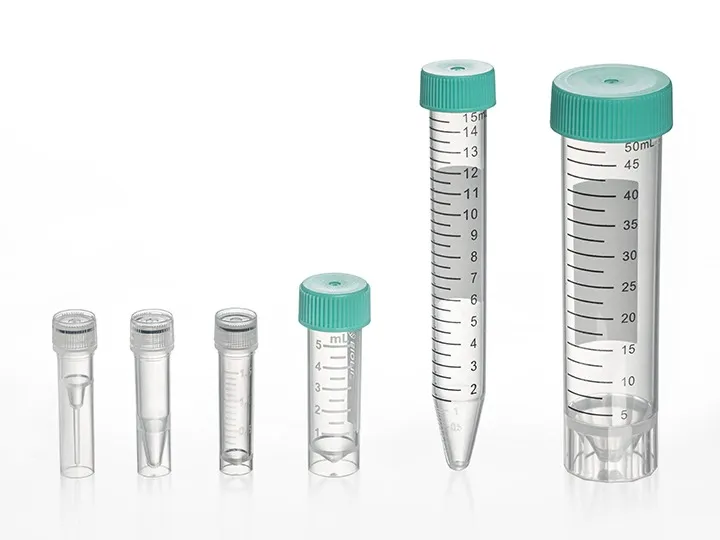
For example, sterile urine containers, specimen cups, screw-cap sample containers, and related collection consumables may be used differently in PCR, cell culture, diagnostic sampling, food testing, routine teaching, or distributor resale. The same item can require sterile individual packaging in one workflow, bulk economical packing in another, and OEM labeling in a third. This resource helps buyers make those differences visible.
Main Risk This Resource Reduces
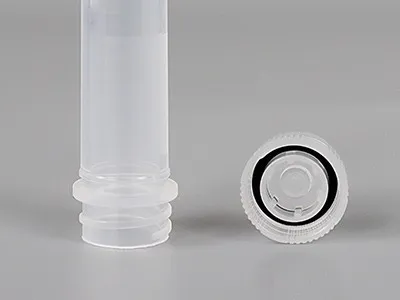
The main risk is leakage, unclear graduation, weak cap fit, non-sterile handling, label mismatch, and poor transport durability. In lab consumables sourcing, small omissions can create large downstream problems. A missing volume range, unclear sterile format, or unconfirmed carton quantity can delay samples, distort pricing, or create receiving problems after shipment.
Buyers should treat procurement information as part of quality control. Clear requirements reduce misunderstanding, improve supplier accountability, and make quotation comparison more professional.
Decision Table
| Decision Area | Why It Matters | Buyer Action |
|---|---|---|
| volume | Confirms whether the product matches the intended workflow. | Ask for the exact product description, not only a broad category. |
| cap seal | Prevents quote comparisons from hiding operational risk. | Request sample confirmation before bulk order approval. |
| sterility | Helps suppliers respond with the right model, packing, and documents. | Clarify whether the requirement applies to standard or OEM supply. |
| graduation | Supports receiving inspection and repeat-order consistency. | Check whether the information appears on labels, cartons, or documents. |
| label area and packaging | Connects purchasing data to compliance, storage, and shipment planning. | Record the answer in the RFQ file for later comparison. |
How to Use This Resource Before Sending an RFQ
- Define the product group. List the exact consumables involved, including size, volume, sterility, packaging, and application.
- Identify the buyer type. A distributor, hospital lab, research lab, and importer do not ask the same questions, even when the product keyword is similar.
- Separate must-have and optional requirements. Sterility, documentation, and compatibility may be mandatory, while color or private label packaging may depend on MOQ.
- Request samples with purpose. Samples should be checked against handling, packaging, labeling, and workflow performance, not only visual appearance.
- Compare total landed value. Unit price matters, but carton quantity, defect handling, communication speed, and document support also affect the real cost.
Procurement Template
| Field | Buyer Input | Example |
|---|---|---|
| Product category | List the product and key model | sterile urine containers |
| Application | Describe the lab workflow | selecting sterile containers for sample collection, transport, and routine testing |
| Sterility or cleanliness | State whether sterile, DNase/RNase-free, endotoxin-controlled, or non-sterile is needed | Sterile individual packaging for contamination-sensitive work |
| Packaging | State bag, rack, box, carton, OEM label, or barcode needs | Inner box and export carton suitable for distributor resale |
| Quantity | Monthly demand, trial order quantity, or annual estimate | Initial sample approval, then bulk order by carton |
| Documents | Specification, COA, sterility-related document, invoice, packing list, or other import files | Product specification and lot information requested before shipment |
| Destination | Country, port, or delivery terms | Quote with destination country and preferred shipping method |
Supplier Questions to Ask
- Can you recommend a product option for this application rather than quoting only the cheapest item?
- What is the MOQ for standard packaging and OEM packaging?
- What sample policy, sample lead time, and bulk production lead time should we expect?
- What carton quantity, carton dimensions, and approximate gross weight apply?
- Which documents can be provided with the shipment?
- Can the same specification be supplied consistently for repeat orders?
Common Mistakes to Avoid
The first mistake is asking only for “best price.” A supplier can reduce a price by changing packaging, carton quantity, documentation level, or product specification. Without a structured request, buyers may compare different products as if they were the same.
The second mistake is ignoring the workflow. Consumables used in food testing, diagnostic sampling, qPCR, cell culture, and routine teaching do not carry the same contamination risk. The RFQ should make that context visible.
The third mistake is delaying documentation questions until after payment. If documents are important for import, hospital use, distributor resale, or internal QC, they should be discussed before order confirmation.
FAQ
Is this resource only for large buyers?
No. It is useful for both trial orders and bulk orders. Smaller buyers can use it to explain the application clearly, while larger buyers can use it to standardize supplier comparison.
Should buyers always request the lowest MOQ?
Not always. A low MOQ helps with testing, but repeat supply, carton planning, and packaging stability matter more for long-term procurement. Buyers should ask for sample quantity, trial order quantity, and regular bulk MOQ separately.
Can this be used for OEM or private label supply?
Yes. Add artwork, label language, barcode, carton mark, and packaging hierarchy to the RFQ. OEM requests should also clarify whether the buyer needs custom inner boxes, export cartons, or product labels.
What should buyers send to OBObio?
Send product type, application, specification, quantity, destination country, packaging preference, documentation needs, and whether you need samples or OEM support.
Request Pricing, Samples, or OEM Support
Use the checklist to request sample containers with the right volume, cap, and packaging. Include your application, estimated quantity, destination country, and any packaging or documentation requirements so the response can be specific and useful.
Request Pricing or Samples
Tell us the product type, quantity, destination country, and any packaging or certification requirements. OBObio will reply with suitable lab consumables options.