
Home / Blog / How Should Diagnostic Labs Choose Sterile Sample Containers?
Diagnostic labs should choose sterile sample containers by matching specimen type, leak resistance, sterility assurance, labeling area, cap security, packaging format, and supplier documentation to the actual collection and transport workflow. The right container reduces leakage, contamination, relabeling errors, and repeat sampling.

Quick Selection Table for Sterile Sample Containers
| Selection Point | What Buyers Should Confirm | Why It Matters |
|---|---|---|
| Specimen type | Urine, stool, swab transfer, sputum, general specimen storage | Different samples need different volume, opening width, cap seal, and labeling area. |
| Sterility | Sterile claim, sterilization method, packaging integrity, shelf life | Contamination-sensitive diagnostic workflows need clean handling from collection to testing. |
| Leak resistance | Screw cap fit, thread consistency, gasket design if applicable, transport test expectation | Leaking specimens create biohazard risk, rejected samples, and repeat collection cost. |
| Material | Usually polypropylene or similar lab-grade plastic, with clarity and chemical compatibility checks | Material affects visibility, strength, storage, transport, and compatibility with specimen type. |
| Labeling area | Writing area, barcode label space, cap or side marking options | Diagnostic labs depend on traceability, accessioning speed, and low relabeling risk. |
| Packaging | Individual sterile pack, bulk sterile pack, carton quantity, private label option | Packaging controls workflow speed, storage space, distributor resale, and hospital tender fit. |
| Documentation | COA, sterility declaration, batch number, product specification sheet | Hospitals, importers, and distributors need documents for approval and repeat procurement. |
Article Map
- Who buys sterile sample containers and what do they care about?
- Which specifications affect diagnostic sample safety?
- How should labs reduce leakage and contamination risk?
- What should distributors and importers ask suppliers before bulk orders?
- What should be included in an RFQ for sterile sample containers?
Who Is the Primary Buyer for Sterile Sample Containers?
The primary buyer is usually a diagnostic laboratory, hospital laboratory, or distributor serving clinical testing accounts. The buying decision is less about a generic plastic cup and more about specimen integrity, labeling speed, leak control, batch consistency, and reliable repeat supply.
Diagnostic labs handle many routine specimens every day. A container that looks acceptable on a product photo can still fail in real use if the cap thread is inconsistent, the writing area is too small, the plastic is too thin, or the packaging slows down collection stations. That is why sterile sample containers should be evaluated as a workflow item, not as a simple commodity.
| Buyer Type | Main Concern | Content and RFQ Angle |
|---|---|---|
| Diagnostic lab | Sample safety, fast intake, clean handling, traceability | Ask for sterility, cap seal, labeling area, batch documents, and sample validation. |
| Hospital procurement | Tender compliance, user acceptance, documentation | Confirm product specification, carton data, shelf life, and supplier certificates. |
| Distributor | MOQ, margin, carton quantity, private label, repeat supply | Request OEM packaging options, stable lead time, and mixed-container product planning. |
| Importer | Export packing, customs documents, labeling language | Confirm outer carton marking, HS code support, label artwork, and shipping volume. |
| Research or food testing lab | Cross-contamination prevention and sample storage consistency | Match container type to collection method, storage time, and internal QC needs. |
Which Specifications Matter Most for Diagnostic Sample Containers?
The most important specifications are usable volume, cap type, leak resistance, sterile packaging, material clarity, labeling area, batch traceability, and carton configuration. Buyers should ask what each specification controls in the workflow instead of collecting a long list of numbers.
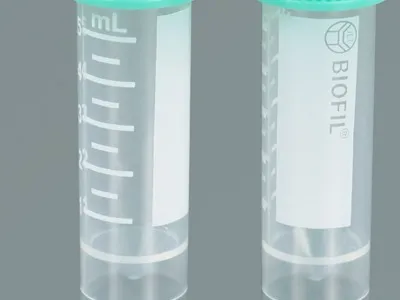
For urine collection, a wide-mouth design may improve collection convenience and reduce spills. For stool specimen handling, cap security and odor containment may matter more. For swab transfer or small diagnostic aliquots, the buyer may need smaller tubes, clear graduation marks, or compatibility with racks and sample bags. A supplier should help map container specification to specimen type and daily volume.
| Specification | Typical Buyer Question | Risk If Wrong |
|---|---|---|
| Volume range | Does the container fit routine specimen volume and headspace needs? | Overfilled containers can leak; oversized containers waste storage and shipping space. |
| Cap design | Is the cap easy to close securely during repeated collection shifts? | Loose caps can cause transport leakage and rejected specimens. |
| Sterile pack | Is each container supplied sterile, and how is sterility protected until use? | Open or weak packaging can compromise contamination-sensitive collection. |
| Material clarity | Can staff visually inspect sample volume and condition quickly? | Poor visibility slows accessioning and may hide collection problems. |
| Labeling area | Can barcode labels and handwriting remain readable after handling? | Misidentification risk increases when labels peel, wrinkle, or cover the volume window. |
| Traceability | Can the supplier provide lot number and document records? | Root-cause analysis becomes difficult during quality complaints or recalls. |
| Carton quantity | Does packing match department usage and distributor resale units? | Wrong packing creates warehouse pressure, stock rotation issues, or tender mismatch. |
How Do Sterile Sample Containers Reduce Leakage and Contamination Risk?
They reduce risk when the cap closes consistently, the container wall resists deformation, the packaging remains intact, and the user can label the specimen without interfering with the seal. Leakage prevention is both a product design issue and a procurement quality issue.
Leakage is one of the strongest reasons diagnostic labs reject low-grade specimen containers. A small leak can contaminate transport bags, create odor and biohazard concerns, and force recollection. In high-throughput labs, the cost is not only the container price; it includes staff time, patient inconvenience, delayed testing, and complaint handling.
Contamination risk is also practical. A sterile container should arrive protected from dust, handling residue, and packaging damage. Buyers should not accept vague claims such as “clean” or “high quality” without asking for the sterilization method, packaging format, and supplier quality documents. If a product is sold as sterile, the supplier should be able to explain how the sterile barrier is maintained during storage and shipping.
- Check whether caps close smoothly without cross-threading.
- Confirm whether samples are packed individually or in bulk sterile bags.
- Ask whether carton compression during shipping can deform the container or cap.
- Validate labeling workflow with the actual barcode size used by the lab.
- Test several samples from a trial batch before approving a large order.
What Should Buyers Know About Sterility, Compliance, and Documentation?
Buyers should treat sterility and compliance claims as document-backed procurement requirements. A useful supplier can provide a specification sheet, batch traceability, sterility declaration, shelf-life information, and quality system context without overstating what each certificate means.
For sterile diagnostic consumables, documentation supports internal approval and repeat purchasing. ISO 13485 or ISO 9001 may indicate a quality management system, but neither certificate by itself proves that a specific container is sterile or leak-proof. A CE mark or local registration, where relevant, also depends on product classification and market scope. Buyers should ask for documents that match the product and intended market.
| Document or Claim | Practical Meaning | Buyer Limitation to Understand |
|---|---|---|
| Sterility declaration | Supports sterile use claim and internal quality file | Ask how sterility is achieved and protected by packaging. |
| COA or batch document | Connects shipment to lot number and QC record | It should match the delivered batch, not only a generic sample. |
| ISO 13485 | Medical device quality management system context | It is not the same as a product performance guarantee. |
| ISO 9001 | General quality management system context | It does not replace product-specific validation. |
| Shelf life | Helps hospitals and distributors manage stock rotation | Storage conditions and packaging integrity still matter. |
| Product drawing or specification | Clarifies volume, dimensions, cap type, and packaging | Buyers should compare it with the approved sample. |
How Should Diagnostic Labs Validate Samples Before Bulk Orders?
A diagnostic lab should validate sterile sample containers with real collection, labeling, transport, and storage steps before approving bulk procurement. Sample approval should test user handling, cap fit, label adhesion, leakage resistance, and documentation consistency.
A practical validation does not need to be complicated. The lab can request trial samples, use them in a controlled internal workflow, and record feedback from collection staff and accessioning staff. Distributors can do the same before adding a new container to their catalog. The goal is to catch practical failures before cartons are already in the warehouse.
Sample Approval Checklist
- Confirm container volume and opening size against target specimen type.
- Close and reopen caps repeatedly to check thread consistency.
- Apply the actual barcode label used by the lab and check readability.
- Place labeled containers in transport bags, racks, and storage trays.
- Check whether packaging can be opened quickly without touching the container interior.
- Review the specification sheet, batch number format, and carton label.
- Compare the approved sample with the first bulk shipment during incoming QC.
What Should Distributors and Importers Ask a China Supplier?
Distributors and importers should ask about MOQ, carton quantity, private label packaging, lead time, product family coverage, document availability, and repeat-batch consistency. For sterile sample containers, supplier reliability is part of the product specification.
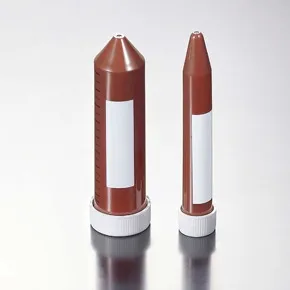
A distributor may need several related products, not only one container size. A diagnostic product line may include sterile specimen containers, centrifuge tubes, transport tubes, disposable pipettes, gloves, masks, and sample storage consumables. Working with a broader lab consumables supplier can reduce communication work, consolidate shipments, and simplify reorder planning.
For private label programs, packaging is not an afterthought. Artwork approval, label language, barcode placement, carton marking, and instruction text should be confirmed before mass production. If the buyer sells into hospital tenders or distributor networks, each packaging detail can affect acceptance and repeat orders.
| RFQ Item | What to Ask | Why It Helps Procurement |
|---|---|---|
| Product size | Volume, dimensions, cap type, sterile or non-sterile option | Prevents mismatch between quotation and actual workflow. |
| Packaging | Pieces per bag, pieces per carton, individual pack option | Supports warehouse planning and distributor resale units. |
| OEM label | Private label, artwork file requirement, label language | Helps distributors build a branded lab consumables line. |
| Documents | COA, specification sheet, quality system certificates | Supports hospital approval and importer records. |
| Lead time | Sample lead time, mass production lead time, reorder schedule | Reduces stockout risk for routine diagnostic demand. |
| Mixed shipment | Can containers ship with tubes, tips, gloves, or other consumables? | Improves freight efficiency and one-stop procurement. |
How Does This Fit Into a Diagnostic Lab Consumables Program?
Sterile sample containers should be selected together with adjacent consumables: gloves, transfer pipettes, centrifuge tubes, storage tubes, racks, and sterile packaging materials. A coordinated product program helps labs reduce supplier fragmentation and improve repeat-batch control.
For example, a diagnostic lab receiving urine and other routine specimens may also need disposable micropipette tips, 15ml and 50ml centrifuge tubes, disposable gloves, and sample storage tubes. If each product comes from a different supplier with different carton units and lead times, procurement becomes harder to control.
OBObio’s content strategy focuses on this practical sourcing layer: product selection, contamination prevention, documentation, packaging, and repeat supply. Buyers looking for China lab consumables sourcing should evaluate whether the supplier can support routine products as a coherent system rather than quoting isolated SKUs.
RFQ Template for Sterile Sample Containers
A good RFQ should give the supplier enough information to quote the correct container, packaging, documentation, and lead time. It should include specimen type, target volume, sterile requirement, cap preference, label needs, order quantity, destination country, and OEM packaging expectations.
- Product: sterile sample container or specimen container
- Application: urine, stool, swab transfer, food testing, routine diagnostic sample collection, or other use
- Volume and dimensions: required capacity, opening size, cap type, and labeling area
- Sterility: sterile or non-sterile, packaging preference, shelf-life requirement
- Material: preferred plastic type, clarity, strength, and temperature/storage expectation
- Packaging: individual pack, bulk pack, pieces per carton, carton marking
- Documentation: specification sheet, COA, quality system certificates, batch traceability
- Commercial terms: MOQ, sample request, trial order quantity, lead time, destination country
- OEM needs: private label, artwork, language, barcode, distributor brand packaging
FAQ: Sterile Sample Containers for Diagnostic Labs
Are sterile sample containers always required?
Not every application requires a sterile container, but diagnostic labs often prefer sterile options for contamination-sensitive collection, standardized procurement, and cleaner workflow control. Buyers should match sterility to specimen type, testing method, and internal quality requirements.
What is the most common cause of sample container rejection?
Common causes include leakage, poor labeling, damaged packaging, incorrect size, unclear documentation, or inconsistent cap fit. These are preventable when buyers validate samples under real collection and transport conditions before bulk approval.
Can distributors request private label packaging?
Yes. Distributors can usually discuss private label cartons, labels, barcode placement, and language requirements. The buyer should confirm MOQ, artwork approval steps, packaging samples, and whether the private label design affects lead time.
What documents should buyers request?
Buyers should request a product specification sheet, batch or lot traceability information, sterility declaration where applicable, COA when available, and relevant quality system certificates. The exact document package depends on market, product classification, and customer requirements.
Can sterile sample containers be shipped with other lab consumables?
Often yes. Importers and distributors may combine sample containers with centrifuge tubes, pipette tips, gloves, masks, or other disposable lab supplies. Mixed shipment planning can reduce freight complexity if carton data and lead times are confirmed early.
SEO Summary
Sterile sample containers should be selected by specimen type, cap security, sterility assurance, labeling workflow, documentation, and packaging needs. Diagnostic labs and distributors can reduce leakage, contamination, relabeling errors, and reorder risk through structured supplier validation.
Request Sterile Sample Container Options
OBObio can help buyers evaluate sterile sample containers and related diagnostic lab consumables for routine procurement, distributor supply, and OEM packaging programs. Share the specimen type, target volume, quantity, destination country, and documentation requirements to request suitable product options.
Request Pricing or Samples
Tell us the product type, quantity, destination country, and any packaging or certification requirements. OBObio will reply with suitable lab consumables options.