Are you struggling to understand the disposable flask safety data sheet requirements for your laboratory? The US laboratory disposable products market is expected to reach USD 1.94 billion by 2029, with a CAGR of 7.67%, making proper safety documentation more critical than ever. Moreover, understanding these safety requirements protects your team and ensures regulatory compliance.
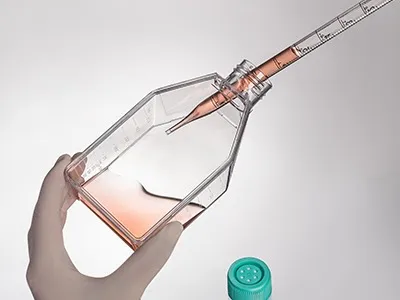
Quick Reference Safety Table
| Safety Aspect | Requirement | Compliance Rate |
|---|---|---|
| SDS Documentation | Mandatory for all hazardous materials | 73% labs fully compliant |
| Safety Training | Required for all lab personnel | 62% receive proper training |
| Incident Reporting | Must report within 24 hours | 25-38% incidents go unreported |
| Equipment Inspection | Monthly safety checks | 81% labs conduct regular checks |
| Emergency Protocols | Written procedures required | 68% have updated protocols |
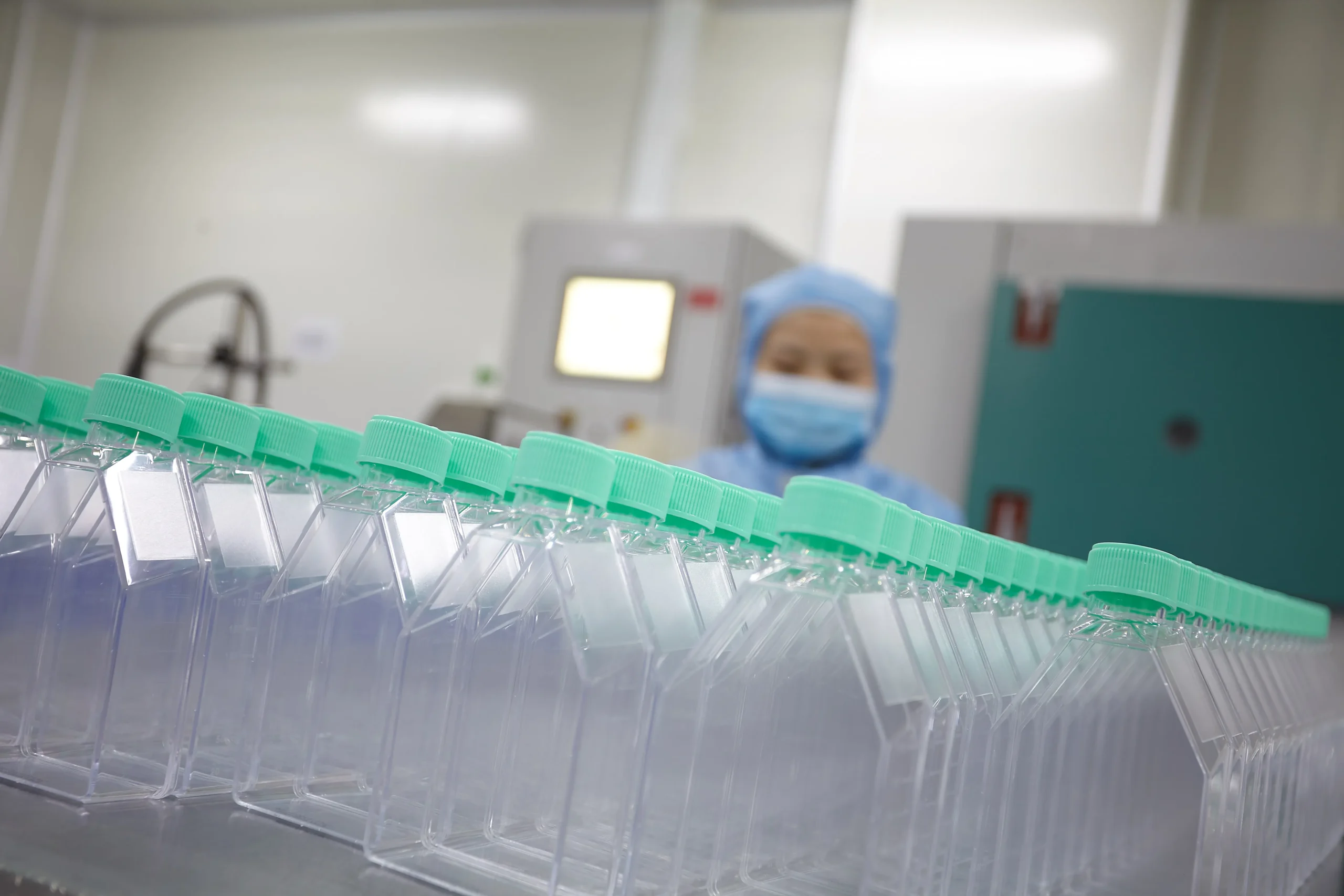
What Information Must Be Included in a Disposable Flask Safety Data Sheet?
OSHA requires that every SDS provide information outlined in all 16 mandatory categories, including hazard identification, composition details, first-aid measures, and handling precautions. Additionally, these documents must be manufacturer-specific and regularly updated to maintain compliance.
The 16 Essential SDS Categories for Disposable Flasks
Laboratory professionals need comprehensive safety documentation for all equipment. Here’s what your disposable flask safety data sheet must contain:
Section 1-4: Basic Information
- Product identification and supplier details
- Hazard classification and pictograms
- Chemical composition and ingredients
- First-aid emergency procedures
Section 5-8: Emergency Response
- Fire-fighting measures and extinguishing media
- Accidental release containment methods
- Safe handling and storage guidelines
- Exposure controls and personal protection
Section 9-12: Physical Properties
- Physical and chemical characteristics
- Stability and reactivity information
- Toxicological data and health effects
- Ecological impact and environmental data
Section 13-16: Regulatory Information
- Disposal considerations and waste codes
- Transportation requirements and restrictions
- Regulatory compliance information
- Additional safety data and references
Why Do Laboratory Accidents Happen Despite Safety Data Sheets?
Recent studies show that 25-38% of lab personnel have been involved in unreported accidents, often due to inadequate safety training or incomplete documentation. Furthermore, many incidents occur when researchers don’t properly consult their disposable flask safety data sheet before use.
Common Safety Violations in Laboratory Settings
Research indicates several critical gaps in laboratory safety:
- Training Deficiencies: 27% of researchers never conduct risk assessments
- Documentation Issues: Incomplete or outdated safety data sheets
- Communication Breakdown: Poor information sharing between team members
- Equipment Misuse: Improper handling of disposable culture flasks
Understanding these risks helps laboratories implement better safety protocols. Therefore, comprehensive training on disposable flask safety data sheet interpretation becomes essential.
How Often Should You Update Your Disposable Flask Safety Data Sheets?
Regulations require maintaining SDS records for at least 30 years after discontinuing product use, but active updates should occur whenever formulations change or new hazard information emerges. Consequently, regular reviews ensure your team has current safety information.
Best Practices for SDS Management
Effective safety data sheet management requires systematic approaches:
- Digital Storage Systems: Implement searchable databases for quick access
- Regular Review Cycles: Schedule quarterly updates and annual comprehensive reviews
- Staff Training Programs: Ensure all personnel understand SDS interpretation
- Version Control: Track changes and maintain historical records
Many laboratories partner with suppliers like OBObio to ensure they receive updated documentation automatically. This partnership approach streamlines compliance and reduces administrative burden.
What Are the Legal Consequences of Missing Safety Data Sheets?
Regulatory violations can result in significant fines, work stoppages, and legal liability, especially when accidents occur without proper documentation. Therefore, maintaining complete disposable flask safety data sheet records protects both personnel and organizations.
Compliance Requirements by Industry
Different sectors have varying requirements:
- Academic Research: Must follow OSHA standards and institutional policies
- Pharmaceutical Manufacturing: FDA and EPA regulations apply
- Clinical Diagnostics: Additional healthcare-specific requirements
- Biotechnology: Specialized protocols for biological materials
Understanding these requirements helps laboratories choose appropriate lab consumables and maintain proper documentation.
How Do Disposable Flasks Compare to Traditional Glassware for Safety?
Disposable flasks eliminate many safety risks associated with glass breakage, chemical contamination, and cleaning hazards, but they introduce different considerations around material compatibility and waste disposal. Additionally, their single-use nature requires different safety protocols.
Safety Comparison Chart
| Safety Factor | Disposable Flasks | Traditional Glassware |
|---|---|---|
| Breakage Risk | Minimal (plastic construction) | High (glass materials) |
| Contamination | Single-use eliminates cross-contamination | Requires thorough cleaning |
| Chemical Compatibility | Material-specific limitations | Generally chemically inert |
| Waste Management | Disposal requirements vary | Reusable with proper care |
| Cost Impact | Higher per-use cost | Lower long-term expense |
Modern laboratories increasingly choose certified disposable culture flasks for their safety advantages and convenience.
What Emergency Procedures Should Be Included in Your Safety Protocols?
Emergency procedures must address spill containment, fire suppression, exposure treatment, and evacuation protocols specific to the materials and equipment in your laboratory. Moreover, these procedures should be regularly practiced and updated.
Essential Emergency Response Elements
Every laboratory needs comprehensive emergency protocols:
Immediate Response Actions
- Spill containment and cleanup procedures
- Personal protective equipment requirements
- Exposure treatment and first aid measures
- Emergency contact information and reporting
Long-term Recovery Plans
- Incident investigation procedures
- Equipment replacement protocols
- Documentation and reporting requirements
- Staff retraining and prevention measures
Laboratories working with gamma-irradiated cell culture flasks need specialized protocols for radiation safety and sterile handling.
How Can You Ensure Your Team Understands Safety Data Sheet Information?
Effective training programs should include hands-on practice with actual SDS documents, scenario-based learning, and regular competency assessments to ensure comprehension. Furthermore, ongoing education adapts to new products and changing regulations.
Training Program Components
Successful safety training includes multiple elements:
- Initial Orientation: Basic SDS structure and navigation
- Product-Specific Training: Detailed coverage of frequently used materials
- Emergency Simulation: Hands-on practice with emergency procedures
- Regular Updates: Continuing education on new products and regulations
Many organizations find success by partnering with experienced lab supply companies that provide comprehensive training support.
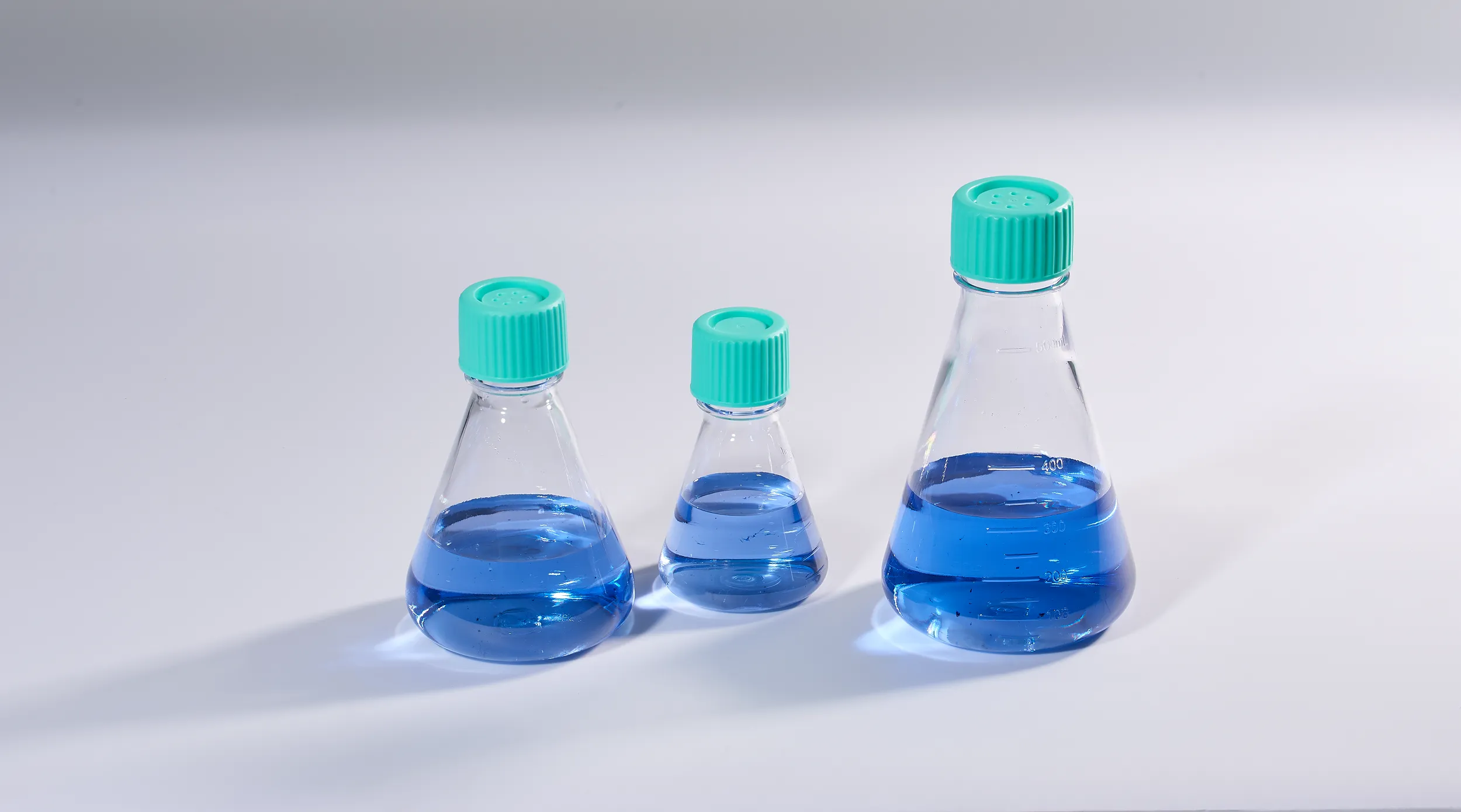
Where Can You Access Reliable Safety Data Sheet Databases?
Reputable suppliers maintain current SDS databases accessible through their websites, while third-party services like ChemWatch and MSDS Online provide comprehensive collections from multiple manufacturers. Additionally, regulatory agencies offer guidance and resources.
Recommended SDS Resources
Several reliable sources provide safety data sheet access:
Manufacturer Websites
- Direct access to current documentation
- Product-specific technical support
- Automatic update notifications
- Integration with ordering systems
Third-Party Databases
- Comprehensive multi-manufacturer collections
- Advanced search and filtering capabilities
- Mobile access and offline availability
- Compliance tracking tools
Government Resources
- OSHA Hazard Communication Standards
- EPA Chemical Safety Information
- NIOSH Pocket Guide to Chemical Hazards
- State and local regulatory resources
Working with established suppliers like OBObio ensures access to current documentation and technical support.
What Are the Most Common Mistakes When Using Safety Data Sheets?
The most frequent errors include using outdated versions, misinterpreting hazard classifications, inadequate training on emergency procedures, and failing to communicate critical information to all team members. Consequently, these mistakes can lead to serious safety incidents.
Common SDS Errors and Solutions
Understanding typical mistakes helps prevent accidents:
Documentation Errors
- Using expired or outdated safety data sheets
- Missing manufacturer-specific information
- Incomplete hazard communication programs
- Poor document organization and accessibility
Training Deficiencies
- Insufficient initial safety orientation
- Lack of product-specific training
- Inadequate emergency response preparation
- Missing refresher training programs
Communication Failures
- Information not shared between shifts
- Language barriers affecting comprehension
- Complex technical terms without explanation
- Inconsistent safety message delivery
How Do Different Flask Materials Affect Safety Requirements?
Polystyrene, polypropylene, and other polymer materials each have unique chemical compatibility profiles, temperature limitations, and disposal requirements that must be reflected in their safety documentation. Therefore, material selection significantly impacts laboratory safety protocols.
Material-Specific Safety Considerations
Different flask materials require specific safety approaches:
Polystyrene Flasks
- Excellent optical clarity for microscopy
- Limited chemical resistance to organics
- Moderate temperature range (up to 70°C)
- Specific disposal requirements for tissue culture
Polypropylene Flasks
- Superior chemical resistance profile
- Higher temperature tolerance (up to 121°C)
- Autoclave compatibility for sterilization
- Enhanced durability for mechanical stress
Specialized Materials
- PETG for enhanced clarity and strength
- TPX for extreme chemical compatibility
- Glass-like polymers for optical applications
- Barrier materials for sensitive compounds
Understanding these differences helps laboratories select appropriate single-use tissue culture flasks for their specific applications.
What Storage Requirements Apply to Disposable Flask Safety Data Sheets?
Organizations must maintain SDS records for at least 30 years after product discontinuation, with immediate access required for current products and emergency situations. Additionally, backup systems ensure continuous availability during system failures.
Storage System Requirements
Effective SDS storage systems include several key features:
Digital Storage Solutions
- Cloud-based access from multiple locations
- Searchable databases with filtering capabilities
- Automatic backup and version control
- Mobile device compatibility for field access
Physical Documentation
- Emergency reference copies in key locations
- Laminated quick-reference cards for common products
- Posted emergency procedures and contact information
- Backup systems for power outage situations
Many laboratories implement hybrid systems combining digital convenience with physical backup documentation for critical safety information.
Conclusion: Protecting Your Laboratory Through Proper Safety Documentation
Understanding and properly implementing disposable flask safety data sheet requirements forms the foundation of laboratory safety. With the laboratory disposable products market growing at 7.67% annually, proper safety documentation becomes increasingly critical for compliance and personnel protection.
The key elements include maintaining current documentation, providing comprehensive training, implementing effective storage systems, and establishing clear emergency procedures. Moreover, working with reputable suppliers ensures access to accurate, up-to-date safety information.
Remember that 25-38% of laboratory accidents go unreported, often due to inadequate safety preparation. Therefore, investing in proper safety data sheet management protects both your team and your organization from preventable incidents.
Ready to upgrade your laboratory safety program? Contact OBObio today for comprehensive safety documentation, training support, and high-quality laboratory consumables that meet the highest safety standards. Our expert team provides the resources and guidance you need to maintain compliance while protecting your valuable research operations.
Don’t wait for an accident to highlight safety gaps in your laboratory. Take action now to implement comprehensive safety data sheet management and protect your team through proper documentation and training.
Buyer Quick Reference for How to Choose Disposable Flask Safety Data Sheet: Essential Laboratory Safety Guide for Modern Research for Cell Culture Workflows
For B2B buyers, How to Choose Disposable Flask Safety Data Sheet: Essential Laboratory Safety Guide for Modern Research for Cell Culture Workflows should be evaluated by application fit, material, sterility, packaging, documentation, reorder stability, and supplier communication. The best choice is the product that protects lab workflow reliability while remaining practical for repeated purchasing.
| Buying Factor | What to Check | Why It Matters |
|---|---|---|
| Application fit | Match the product to research, diagnostic, hospital, biotech, food testing, or distributor use. | Prevents overbuying, under-specifying, or selecting a format that does not fit the workflow. |
| Material and design | Confirm resin, surface, cap, seal, size, compatibility, and handling details. | Small specification differences can affect accuracy, contamination control, or user acceptance. |
| Sterility and cleanliness | Check sterile, non-sterile, DNase/RNase-free, non-pyrogenic, or gamma-irradiated options where relevant. | Cleanliness requirements vary widely between routine teaching labs and sensitive molecular or cell culture work. |
| Packaging | Review bagged, racked, individually wrapped, bulk carton, and OEM/private label options. | Packaging affects workflow speed, storage space, shipping cost, and distributor resale. |
| Supplier support | Ask for samples, product codes, carton details, lead time, MOQ, and repeat-order consistency. | Reliable supply is essential for labs that cannot pause work because a consumable is out of stock. |
How This Product Fits OBObio Lab Consumables Sourcing
OBObio positions this topic within a broader laboratory consumables sourcing plan, including cell culture flasks, shake flasks, culture bottles, treated surfaces, vented caps, and sterile cultureware. Buyers can use one supplier conversation to compare related products, packaging formats, and sample options.
For laboratories, this reduces the risk of mismatched supplies. For distributors, it helps build a more complete catalog with consistent documentation and packaging. For first-time buyers, the practical path is to request samples, test the product in the real workflow, and then confirm carton quantity, lead time, and repeat-order pricing.
When sending an inquiry, include the application, expected quantity, destination country, sterile requirement, packaging preference, and any certification or documentation needs. Clear requirements help OBObio recommend the right product faster instead of giving a generic quote.
Supplier Evaluation Checklist
- Does the supplier understand the real laboratory application, not only the product name?
- Can the supplier provide samples before a bulk order?
- Are product specifications, carton quantity, MOQ, and lead time clear?
- Can the supplier support related consumables for one-stop procurement?
- Is OEM or private label packaging available for distributors?
- Can the same specification be supplied consistently for repeat orders?
FAQ: How to Choose Disposable Flask Safety Data Sheet: Essential Laboratory Safety Guide for Modern Research for Cell Culture Workflows
What should buyers check first?
Buyers should first define the application, required specification, sterility level, packaging format, and expected order quantity. These details determine whether a standard item is enough or whether a more specific supply option is needed.
Is the lowest price always the best option?
No. For laboratory consumables, product failure, contamination, leakage, poor fit, or unstable supply can cost more than a small unit-price difference. Buyers should balance price with consistency, documentation, and supplier responsiveness.
Can distributors request OEM packaging?
Yes. Many distributors need private label cartons, product labels, and stable carton specifications. MOQ, artwork, label language, and lead time should be confirmed before placing the first bulk order.
Why work with a broader
A broader supplier can help buyers coordinate related products, reduce communication work, consolidate shipments, and build a more reliable procurement plan for routine lab operations.
Request Pricing or Samples
Tell us the product type, quantity, destination country, and any packaging or certification requirements. OBObio will reply with suitable lab consumables options.