
What Makes Deep-Well Plates Essential for Modern Laboratory Work?
Deep-well plates are specialized laboratory vessels that feature deeper wells than standard microplates, allowing researchers to store larger sample volumes and perform high-throughput screening with greater efficiency. These plates typically hold between 0.5 to 2.2 mL per well, making them ideal for applications requiring bulk sample processing and automated liquid handling systems. What specific advantages do these plates offer over traditional microplates?
Quick Reference: Deep-Well Plate Market & Applications
| Market Metric | 2024 Value | 2032 Projection | Growth Rate |
|---|---|---|---|
| Global Market Size | $365-500 Million | $712-850 Million | 5.32-7% CAGR |
| Key Applications | Cell Culture, HTS, Sample Storage | Automated Screening, Drug Discovery | 10.46% CAGR |
| Well Formats | 96, 384, 1536 wells | Enhanced automation compatibility | Growing demand |
| Volume Capacity | 0.5-2.2 mL per well | Optimized for bulk processing | Increasing efficiency |
How Do Deep-Well Plates Differ from Standard Microplates?
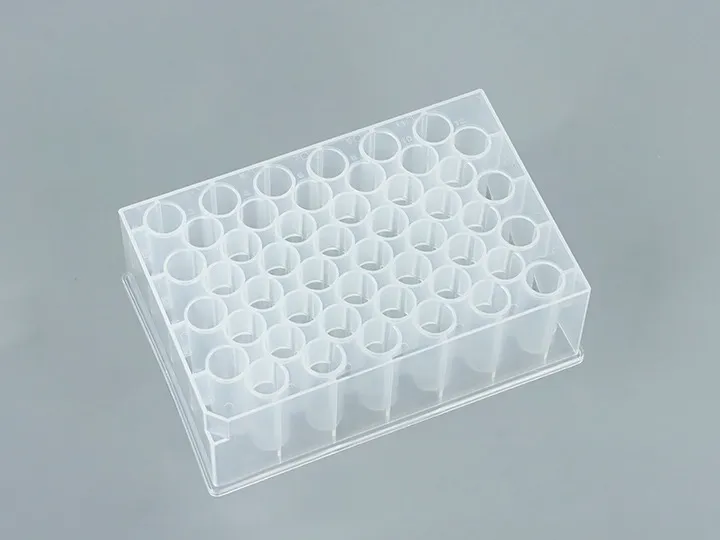
Deep-well plates feature significantly deeper wells compared to standard microplates, typically measuring 10-15mm in depth versus 2-3mm for regular plates. This increased depth allows for larger sample volumes, better mixing capabilities, and reduced evaporation rates during extended incubation periods. The enhanced design makes them particularly valuable for applications requiring bulk sample processing.
Key differences include:
- Well depth: Deep-well plates offer 3-5 times greater depth than standard plates
- Volume capacity: Ranges from 0.5 mL to 2.2 mL per well versus 0.1-0.3 mL for standard plates
- Sample mixing: Improved vortexing and mixing due to increased well volume
- Evaporation control: Reduced surface area-to-volume ratio minimizes sample loss
- Automation compatibility: Designed specifically for robotic liquid handling systems
What Are the Primary Applications of Deep-Well Plates?
Deep-well plates serve multiple critical functions in laboratory settings, including cell culture, tissue culture, immunological assays, high-throughput screening, compound storage, and automated sample processing. They are particularly valuable for applications requiring larger reaction volumes and extended incubation periods. These versatile tools have become essential in modern research environments.
Cell and Tissue Culture Applications
Deep-well plates excel in cell culture applications because they provide:
- Sufficient volume for cell expansion and growth
- Optimal gas exchange for healthy cell development
- Reduced contamination risk due to deeper well design
- Compatibility with standard incubation conditions
High-Throughput Screening (HTS)
For pharmaceutical and biotechnology research, deep-well plates offer:
- Increased sample capacity: More compounds can be tested simultaneously
- Automated processing: Compatible with robotic systems for faster analysis
- Reduced cross-contamination: Deeper wells minimize sample transfer between wells
- Cost efficiency: Fewer plates needed for large-scale screening projects
Sample Storage and Preservation
Deep-well plates provide excellent storage solutions for:
- Long-term sample preservation at temperatures down to -80°C
- Bulk reagent storage for repeated use
- DNA/RNA sample archiving with reduced degradation
- Protein sample storage with minimal denaturation
Which Materials Are Used in Deep-Well Plate Manufacturing?
Deep-well plates are primarily manufactured from polypropylene (PP) or polystyrene (PS) materials, with polypropylene being preferred for chemical resistance and temperature stability. Polypropylene plates can withstand temperatures from -80°C to +121°C and resist common laboratory chemicals like phenols, chloroform, and DMSO. The material choice significantly impacts plate performance and application suitability.
Polypropylene (PP) Advantages:
- Chemical resistance: Compatible with organic solvents and harsh chemicals
- Temperature stability: Withstands autoclaving and freezing temperatures
- Mechanical strength: Reduced risk of cracking during handling
- Cost-effectiveness: Lower manufacturing costs for bulk applications
Polystyrene (PS) Benefits:
- Optical clarity: Better visibility for microscopy applications
- Surface properties: Enhanced cell attachment for culture applications
- Uniform thickness: Consistent optical properties across all wells
- Biocompatibility: Suitable for sensitive biological applications
What Well Formats Are Available for Deep-Well Plates?
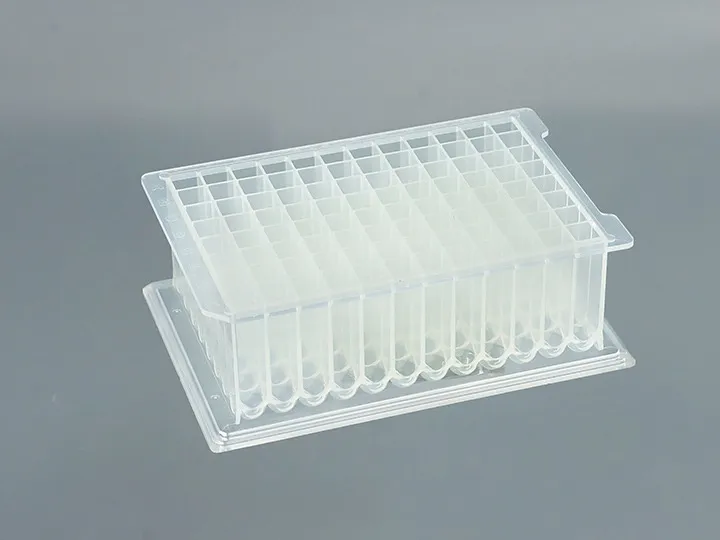
Deep-well plates are available in standard formats including 96-well, 384-well, and 1536-well configurations, with 96-well plates being the most commonly used format. The 96-well format offers the optimal balance between sample capacity and handling convenience for most laboratory applications. Each format serves specific research needs and throughput requirements.
96-Well Format Benefits:
- Standard compatibility: Works with most automated systems
- Optimal sample size: Ideal for medium-throughput applications
- Easy handling: Manageable size for manual operations
- Cost-effective: Lower per-well costs for routine applications
384-Well Format Advantages:
- Higher throughput: Four times more samples per plate
- Reduced reagent consumption: Smaller well volumes save expensive reagents
- Space efficiency: More data points per laboratory bench space
1536-Well Format Applications:
- Ultra-high throughput: Maximum sample processing capacity
- Drug discovery: Ideal for large-scale compound screening
- Miniaturization: Reduced sample and reagent requirements
- Advanced automation: Requires sophisticated robotic systems
How Do You Choose the Right Deep-Well Plate Volume?
The choice of deep-well plate volume depends on your specific application requirements, with common volumes ranging from 0.5 mL to 2.2 mL per well. For cell culture applications, 1.2-2.2 mL volumes are preferred, while compound storage typically uses 0.5-1.0 mL volumes. Understanding your volume requirements ensures optimal experimental results.
Volume Selection Guidelines:
- 0.5 mL wells: Compound storage, small-scale reactions
- 1.0 mL wells: Standard screening assays, medium-scale reactions
- 1.2 mL wells: Cell culture, protein expression studies
- 2.2 mL wells: Bulk sample processing, large-scale preparations
What Quality Standards Should Deep-Well Plates Meet?
High-quality deep-well plates should be manufactured under ISO 8 clean room standards and meet USP Class IV polypropylene specifications to ensure consistent performance and contamination-free results. These standards guarantee optimal optical clarity, chemical resistance, and dimensional accuracy across all wells. Quality certification is essential for reliable experimental outcomes.
Critical Quality Parameters:
- Dimensional accuracy: Consistent well dimensions for automation compatibility
- Optical clarity: Clear bottom plates for microscopy applications
- Chemical purity: Low extractable compounds to prevent interference
- Sterility assurance: Gamma-irradiated or certified sterile options available
How Has the Deep-Well Plate Market Evolved?
The global deep-well plate market has experienced significant growth, with market value increasing from $365 million in 2023 to projected $712-850 million by 2030-2032. This growth is driven by increasing demand for high-throughput screening, automation in life sciences research, and rising prevalence of chronic diseases requiring advanced research techniques. The market expansion reflects the growing importance of these tools in modern research.
Market Growth Drivers:
- Pharmaceutical research expansion: Increased drug discovery investments
- Automation adoption: Growing use of robotic liquid handling systems
- Personalized medicine: Rising demand for precision medicine research
- Biotechnology advancement: Expanding applications in biotech industries
What Are Common Deep-Well Plate Troubleshooting Issues?
Common deep-well plate issues include cross-contamination between wells, uneven sample distribution, and compatibility problems with automated systems. These issues can often be resolved through proper plate selection, optimized liquid handling techniques, and regular equipment calibration. Prevention and early detection are key to maintaining experimental integrity.
Cross-Contamination Prevention:
- Use appropriate pipette tips for each well
- Implement proper liquid handling techniques
- Choose plates with adequate well spacing
- Regular cleaning of automated systems
Sample Distribution Optimization:
- Ensure proper plate leveling during incubation
- Use appropriate mixing techniques for sample homogeneity
- Consider plate material properties for your application
- Implement quality control checks for sample volumes
What Future Innovations Are Expected in Deep-Well Plate Technology?
Future deep-well plate innovations focus on enhanced automation compatibility, improved material properties, and integrated sensor technologies for real-time monitoring. Developments include smart plates with embedded sensors, advanced surface treatments for better cell adhesion, and eco-friendly materials to reduce environmental impact. These innovations will further expand deep-well plate applications in research and industry.
Emerging Technologies:
- Smart sensor integration: Real-time pH and oxygen monitoring
- Advanced surface coatings: Enhanced cell culture performance
- Sustainable materials: Biodegradable and recyclable options
- Microfluidic integration: Combined microfluidics and deep-well functionality
Frequently Asked Questions About Deep-Well Plates
Can Deep-Well Plates Be Autoclaved?
Yes, polypropylene deep-well plates can be safely autoclaved at 121°C for 15-20 minutes, making them suitable for applications requiring sterile conditions. However, polystyrene plates should not be autoclaved as they will deform at high temperatures. Always check manufacturer specifications before autoclaving.
What Is the Maximum Centrifugation Speed for Deep-Well Plates?
Most deep-well plates can withstand centrifugation speeds up to 4,000-6,000 rpm, depending on the plate material and design. Polypropylene plates generally handle higher speeds better than polystyrene plates. Always verify centrifugation limits with your plate manufacturer to prevent damage.
How Do You Prevent Sample Evaporation in Deep-Well Plates?
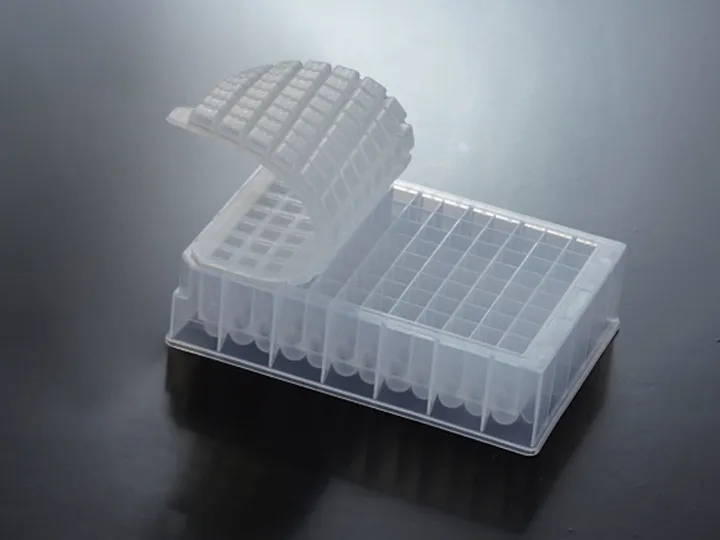
Sample evaporation can be minimized by using appropriate sealing methods such as adhesive films, heat-sealable films, or cap mats. For extended incubations, consider using specialized evaporation-resistant seals or maintaining controlled humidity conditions. Proper sealing is crucial for accurate results.
Are Deep-Well Plates Compatible with All Automated Systems?
Deep-well plates follow standard SBS (Society for Biomolecular Screening) dimensions, making them compatible with most automated liquid handling systems. However, some older systems may require adapter plates or specific plate types. Always verify compatibility before purchasing plates for automated applications.
What Is the Shelf Life of Deep-Well Plates?
Unopened deep-well plates typically have a shelf life of 3-5 years when stored in cool, dry conditions away from direct sunlight. Once opened, plates should be used within 6-12 months to maintain sterility and prevent contamination. Proper storage extends plate usability.
How Do You Clean and Reuse Deep-Well Plates?
While deep-well plates are typically designed for single use, they can be cleaned and reused for non-critical applications. Use appropriate detergents, thorough rinsing, and complete drying before reuse. However, for critical experiments, always use new plates to ensure optimal results.
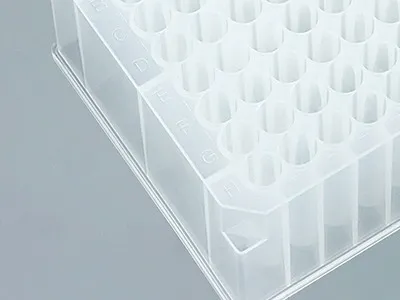
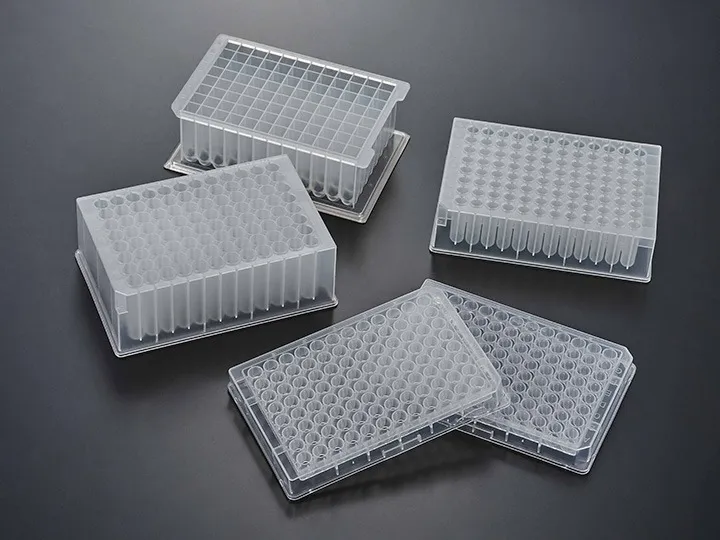
The lettering and corner markings on the board are clear for easy identification and operation
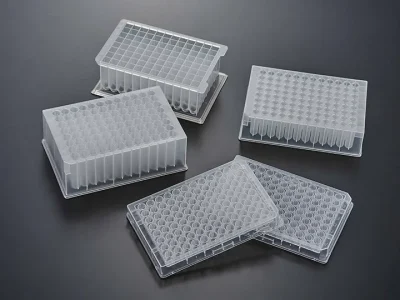
A variety of specifications are available to meet different experimental needs
Conclusion: Maximizing Laboratory Efficiency with Deep-Well Plates
Deep-well plates have become indispensable tools in modern laboratory settings, offering significant advantages over traditional microplates through their increased volume capacity, improved mixing capabilities, and enhanced automation compatibility. As the market continues to grow at a steady rate of 5-7% annually, reaching projected values of $712-850 million by 2030-2032, these versatile plates will remain crucial for applications ranging from cell culture to high-throughput screening.
The choice of deep-well plate depends on specific application requirements, including sample volume needs, material compatibility, and automation requirements. By understanding the key features, applications, and best practices outlined in this guide, researchers can make informed decisions that optimize their experimental outcomes and laboratory efficiency.
Whether you’re conducting pharmaceutical research, biotechnology studies, or academic investigations, deep-well plates provide the reliability, versatility, and performance needed for successful scientific endeavors. As technology continues to advance, we can expect even more innovations in deep-well plate design, further expanding their applications and improving their utility in modern research environments.
Factory-direct price and responsive service-get in touch for a quick quote.
Buyer Quick Reference for How to Choose Deep-Well Plate: The Complete Guide for Modern Laboratory Applications for Laboratory Testing
For B2B buyers, How to Choose Deep-Well Plate: The Complete Guide for Modern Laboratory Applications for Laboratory Testing should be evaluated by application fit, material, sterility, packaging, documentation, reorder stability, and supplier communication. The best choice is the product that protects lab workflow reliability while remaining practical for repeated purchasing.
| Buying Factor | What to Check | Why It Matters |
|---|---|---|
| Application fit | Match the product to research, diagnostic, hospital, biotech, food testing, or distributor use. | Prevents overbuying, under-specifying, or selecting a format that does not fit the workflow. |
| Material and design | Confirm resin, surface, cap, seal, size, compatibility, and handling details. | Small specification differences can affect accuracy, contamination control, or user acceptance. |
| Sterility and cleanliness | Check sterile, non-sterile, DNase/RNase-free, non-pyrogenic, or gamma-irradiated options where relevant. | Cleanliness requirements vary widely between routine teaching labs and sensitive molecular or cell culture work. |
| Packaging | Review bagged, racked, individually wrapped, bulk carton, and OEM/private label options. | Packaging affects workflow speed, storage space, shipping cost, and distributor resale. |
| Supplier support | Ask for samples, product codes, carton details, lead time, MOQ, and repeat-order consistency. | Reliable supply is essential for labs that cannot pause work because a consumable is out of stock. |
How This Product Fits OBObio Lab Consumables Sourcing
OBObio positions this topic within a broader laboratory consumables sourcing plan, including petri dishes, ELISA plates, PCR plates, culture plates, and microbiology plasticware. Buyers can use one supplier conversation to compare related products, packaging formats, and sample options.
For laboratories, this reduces the risk of mismatched supplies. For distributors, it helps build a more complete catalog with consistent documentation and packaging. For first-time buyers, the practical path is to request samples, test the product in the real workflow, and then confirm carton quantity, lead time, and repeat-order pricing.
When sending an inquiry, include the application, expected quantity, destination country, sterile requirement, packaging preference, and any certification or documentation needs. Clear requirements help OBObio recommend the right product faster instead of giving a generic quote.
Supplier Evaluation Checklist
- Does the supplier understand the real laboratory application, not only the product name?
- Can the supplier provide samples before a bulk order?
- Are product specifications, carton quantity, MOQ, and lead time clear?
- Can the supplier support related consumables for one-stop procurement?
- Is OEM or private label packaging available for distributors?
- Can the same specification be supplied consistently for repeat orders?
FAQ: How to Choose Deep-Well Plate: The Complete Guide for Modern Laboratory Applications for Laboratory Testing
What should buyers check first?
Buyers should first define the application, required specification, sterility level, packaging format, and expected order quantity. These details determine whether a standard item is enough or whether a more specific supply option is needed.
Is the lowest price always the best option?
No. For laboratory consumables, product failure, contamination, leakage, poor fit, or unstable supply can cost more than a small unit-price difference. Buyers should balance price with consistency, documentation, and supplier responsiveness.
Can distributors request OEM packaging?
Yes. Many distributors need private label cartons, product labels, and stable carton specifications. MOQ, artwork, label language, and lead time should be confirmed before placing the first bulk order.
Why work with a broader
A broader supplier can help buyers coordinate related products, reduce communication work, consolidate shipments, and build a more reliable procurement plan for routine lab operations.
Request Pricing or Samples
Tell us the product type, quantity, destination country, and any packaging or certification requirements. OBObio will reply with suitable lab consumables options.