
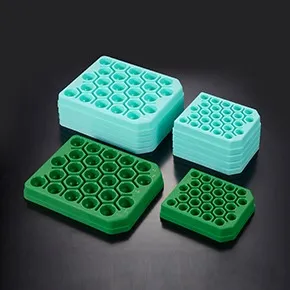
What is a centrifuge tube holder and why do laboratories need them? A centrifuge tube holder is an essential laboratory organizing tool that securely stores and arranges centrifuge tubes of various sizes, preventing contamination while maximizing workspace efficiency. Furthermore, these holders play a crucial role in maintaining laboratory safety standards and improving workflow productivity.
Key Market Statistics & Quick Facts
| Market Metric | 2024 Value | 2032 Projection | Growth Rate |
|---|---|---|---|
| Global Centrifuge Tube Market | $1.93 Billion | $4.93 Billion | 4.5% CAGR |
| North America Market Share | $0.45 Billion | Leading Region | Dominant |
| Sterile Tube Segment | 58.5% Share | Market Leader | Growing |
| Standard Tube Market | $2.1 Billion | $3.5 Billion | 5.7% CAGR |
What Makes Centrifuge Tube Holders Essential for Modern Laboratories?
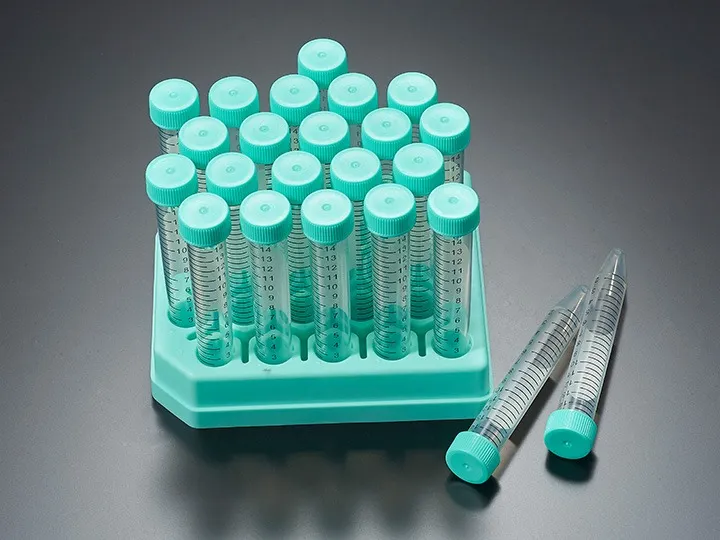
Centrifuge tube holders provide organized storage, prevent cross-contamination, and improve laboratory efficiency by keeping tubes upright and easily accessible during experiments. Additionally, they reduce the risk of sample loss and maintain proper tube labeling visibility throughout laboratory procedures.
The laboratory equipment market continues to expand rapidly, with the centrifuge tubes market valued at USD 1.93 Billion in 2023 and projected to reach USD 4.93 Billion by 2030. This significant growth reflects the increasing demand for efficient laboratory organization tools like centrifuge tube holders.
Modern laboratories require systematic organization to handle the growing volume of samples and tests. Moreover, centrifuge tube holders directly contribute to this organizational efficiency by providing designated spaces for different tube sizes and types.
How Do Different Types of Centrifuge Tube Holders Compare?
Various centrifuge tube holder types include fixed racks, detachable stands, floating racks, and multi-well holders, each designed for specific tube sizes and laboratory applications. Consequently, choosing the right type depends on your laboratory’s specific needs and workflow requirements.
Popular Centrifuge Tube Holder Types:
Fixed Laboratory Racks
- Permanent mounting options
- High-capacity storage solutions
- Ideal for high-throughput laboratories
- Compatible with standard tube sizes
Detachable Plastic Stands
- Portable and flexible design
- Easy cleaning and sterilization
- Perfect for smaller laboratories
- Cost-effective storage solution
Multi-Well Holders
- Accommodate various tube sizes simultaneously
- Space-efficient design
- Excellent for diverse sample types
- Popular in research facilities
Floating Tube Racks
- Water-resistant materials
- Suitable for water bath applications
- Temperature-resistant construction
- Specialized laboratory use
Learn more about laboratory organization at our lab consumables guide for comprehensive storage solutions.
Which Centrifuge Tube Sizes Do Holders Accommodate?
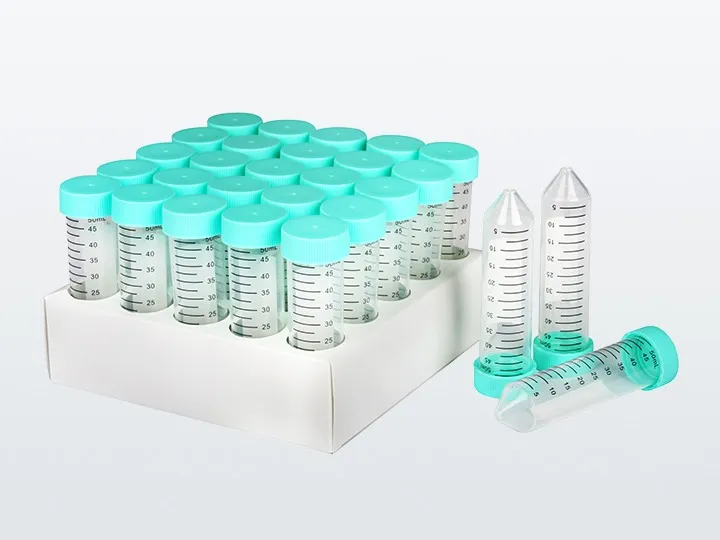
Standard centrifuge tube holders accommodate tubes ranging from 1.5ml microcentrifuge tubes to 50ml conical tubes, with specialized holders available for larger volumes. Therefore, selecting the appropriate holder depends on your most frequently used tube sizes and laboratory applications.
Common Tube Sizes and Holder Compatibility:
Microcentrifuge Tubes (0.2ml – 2ml)
- Smallest capacity tubes
- High-density storage options
- Perfect for molecular biology applications
- Compatible with standard PCR protocols
Standard Centrifuge Tubes (10ml – 15ml)
- Mid-range capacity applications
- Ideal for cell culture work
- Common in clinical laboratories
- Versatile storage requirements
Large Conical Tubes (25ml – 50ml)
- High-volume sample processing
- Essential for protein purification
- Required for bacterial culture work
- Industrial laboratory applications
Visit our centrifuge tubes essential guide to understand tube specifications better.
What Materials Are Best for Centrifuge Tube Holders?
High-quality polypropylene and autoclavable plastics offer the best combination of durability, chemical resistance, and easy sterilization for centrifuge tube holders. Furthermore, these materials maintain their structural integrity under various laboratory conditions and temperature changes.
Material Comparison Chart:
| Material | Chemical Resistance | Temperature Range | Autoclavable | Cost |
|---|---|---|---|---|
| Polypropylene | Excellent | -20°C to 121°C | Yes | Moderate |
| Polystyrene | Good | -10°C to 70°C | No | Low |
| Acrylic | Fair | 0°C to 80°C | No | High |
| Stainless Steel | Excellent | -196°C to 200°C | Yes | Very High |
Quality materials ensure long-term durability and maintain laboratory safety standards. Additionally, chemical-resistant materials prevent degradation from common laboratory reagents and cleaning solutions.
For professional laboratory supplies, explore our lab consumables section for quality products.
How Do Centrifuge Tube Holders Improve Laboratory Safety?
Centrifuge tube holders significantly reduce contamination risks, prevent tube breakage, and minimize exposure to hazardous samples through secure containment and organized storage. Consequently, they create safer working environments for laboratory personnel.
Key Safety Benefits:
Contamination Prevention
- Secure tube positioning prevents spills
- Reduces contact between samples
- Maintains sample integrity
- Minimizes cross-contamination risks
Accident Reduction
- Stable tube storage prevents dropping
- Clear visibility reduces handling errors
- Organized workspace improves efficiency
- Reduces repetitive strain injuries
Sample Security
- Prevents unauthorized access
- Maintains proper labeling visibility
- Reduces sample mix-ups
- Ensures traceability protocols
The WHO laboratory safety guidelines emphasize the importance of proper sample storage and organization in maintaining laboratory safety standards.
What Are the Cost Benefits of Using Centrifuge Tube Holders?
Investing in quality centrifuge tube holders reduces sample loss, prevents contamination-related retesting, and improves laboratory efficiency, resulting in significant long-term cost savings. Moreover, organized storage systems reduce time spent searching for samples and materials.
Economic Impact Analysis:
Direct Cost Savings
- Reduced sample replacement costs
- Lower contamination-related losses
- Decreased equipment damage
- Minimized reagent waste
Productivity Improvements
- Faster sample retrieval times
- Reduced setup and cleanup time
- Improved workflow efficiency
- Enhanced laboratory throughput
Long-term Benefits
- Extended equipment lifespan
- Reduced maintenance requirements
- Improved quality control results
- Enhanced regulatory compliance
Research from Laboratory Equipment Magazine indicates that organized laboratories show 15-25% productivity improvements compared to disorganized facilities.
How Should You Choose the Right Centrifuge Tube Holder?
Select centrifuge tube holders based on your most common tube sizes, laboratory space constraints, throughput requirements, and budget considerations for optimal functionality. Additionally, consider future expansion needs and compatibility with existing laboratory equipment.
Selection Criteria Checklist:
Capacity Requirements
- Daily tube volume
- Peak usage periods
- Storage space available
- Future growth projections
Compatibility Factors
- Tube size variety
- Laboratory equipment compatibility
- Workflow integration
- Cleaning and sterilization requirements
Quality Considerations
- Material durability
- Temperature resistance
- Chemical compatibility
- Manufacturer reputation
Check our complete guide to choosing centrifuge tube suppliers for additional selection guidance.
What Maintenance Do Centrifuge Tube Holders Require?
Regular cleaning with appropriate disinfectants, periodic autoclaving for sterile applications, and routine inspection for cracks or damage ensure optimal centrifuge tube holder performance. Furthermore, proper maintenance extends holder lifespan and maintains laboratory safety standards.
Maintenance Schedule:
Daily Maintenance
- Visual inspection for damage
- Basic cleaning after use
- Sample residue removal
- Organization check
Weekly Maintenance
- Deep cleaning with disinfectants
- Autoclave sterilization if required
- Structural integrity assessment
- Replacement part evaluation
Monthly Maintenance
- Complete holder inspection
- Wear pattern analysis
- Replacement planning
- Performance evaluation
Proper maintenance protocols align with FDA laboratory equipment guidelines for quality assurance.
How Do Centrifuge Tube Holders Support Different Laboratory Applications?
Centrifuge tube holders serve diverse applications including clinical diagnostics, research laboratories, pharmaceutical development, and educational institutions with specialized configurations for each use case. Therefore, understanding application-specific requirements helps optimize holder selection.
Application-Specific Benefits:
Clinical Laboratories
- High-throughput sample processing
- Strict contamination control requirements
- Regulatory compliance needs
- Patient safety considerations
Research Facilities
- Diverse sample types and sizes
- Experimental flexibility requirements
- Long-term storage needs
- Protocol standardization
Pharmaceutical Development
- GMP compliance requirements
- Batch tracking capabilities
- Quality control applications
- Validation documentation needs
Educational Institutions
- Student safety considerations
- Cost-effective solutions
- Durable construction requirements
- Easy maintenance protocols
Explore our laboratory applications to understand specific industry requirements.
What Future Trends Are Shaping Centrifuge Tube Holder Design?
Emerging trends include smart holders with RFID tracking, eco-friendly materials, modular designs, and integration with laboratory automation systems for enhanced efficiency. Additionally, digitalization continues to influence laboratory equipment design and functionality.
Innovation Trends:
Smart Technology Integration
- RFID sample tracking systems
- Digital inventory management
- Automated sample identification
- Laboratory information system integration
Sustainable Materials
- Biodegradable plastic options
- Recycled material construction
- Reduced environmental impact
- Circular economy principles
Modular Design Systems
- Customizable configurations
- Scalable storage solutions
- Interchangeable components
- Future-proof investments
The global laboratory automation market growth drives innovation in traditional laboratory equipment, including centrifuge tube holders and storage systems.
People Also Ask About Centrifuge Tube Holders
What is the difference between a test tube rack and centrifuge tube holder?
Test tube racks are designed for general tube storage, while centrifuge tube holders specifically accommodate the conical shape and various sizes of centrifuge tubes with secure positioning. Moreover, centrifuge tube holders often feature specialized wells designed for specific tube dimensions and applications.
Can centrifuge tube holders be autoclaved?
Most high-quality centrifuge tube holders made from polypropylene or similar materials can be safely autoclaved at standard sterilization temperatures (121°C). However, always verify manufacturer specifications before autoclaving to prevent damage or deformation.
How many tubes can a standard centrifuge tube holder accommodate?
Standard centrifuge tube holders typically accommodate 6 to 50 tubes, depending on tube size and holder design, with larger capacity options available for high-throughput laboratories. Additionally, modular systems allow for capacity expansion as needed.
Are floating centrifuge tube holders worth the investment?
Floating centrifuge tube holders provide excellent value for laboratories using water baths or requiring temperature-controlled storage, offering specialized benefits that justify their higher cost. Furthermore, they prevent sample loss in aquatic applications and provide unique experimental capabilities.
What safety certifications should centrifuge tube holders have?
Look for centrifuge tube holders with ISO certification, FDA compliance where applicable, and materials that meet USP Class VI requirements for biological safety. Additionally, CE marking indicates European conformity for international laboratory use.
Discover more about laboratory safety standards in our disposable lab supplies guide.
Conclusion: Optimize Your Laboratory with Quality Centrifuge Tube Holders
Centrifuge tube holders represent a fundamental investment in laboratory organization, safety, and efficiency. With the market projected to reach USD 4.93 Billion by 2030, these essential tools continue to evolve with advancing laboratory needs.
The right centrifuge tube holder improves sample management, reduces contamination risks, and enhances overall laboratory productivity. Whether you’re managing a clinical laboratory, research facility, or educational institution, proper tube organization directly impacts your operational success.
Ready to upgrade your laboratory organization?
Contact OBO Biology today for premium centrifuge tube holders and comprehensive laboratory solutions. Our expert team provides personalized recommendations based on your specific requirements, ensuring optimal performance and value for your investment.
Explore our complete range of laboratory products and discover why laboratories worldwide trust OBO Biology for their critical supply needs.
For more laboratory insights and product updates, visit obobio.com and follow our latest innovations in laboratory technology and consumables.
Buyer Quick Reference for Centrifuge Tube Holder: Your How to Choose Laboratory Organization
For B2B buyers, Centrifuge Tube Holder: Your How to Choose Laboratory Organization should be evaluated by application fit, material, sterility, packaging, documentation, reorder stability, and supplier communication. The best choice is the product that protects lab workflow reliability while remaining practical for repeated purchasing.
| Buying Factor | What to Check | Why It Matters |
|---|---|---|
| Application fit | Match the product to research, diagnostic, hospital, biotech, food testing, or distributor use. | Prevents overbuying, under-specifying, or selecting a format that does not fit the workflow. |
| Material and design | Confirm resin, surface, cap, seal, size, compatibility, and handling details. | Small specification differences can affect accuracy, contamination control, or user acceptance. |
| Sterility and cleanliness | Check sterile, non-sterile, DNase/RNase-free, non-pyrogenic, or gamma-irradiated options where relevant. | Cleanliness requirements vary widely between routine teaching labs and sensitive molecular or cell culture work. |
| Packaging | Review bagged, racked, individually wrapped, bulk carton, and OEM/private label options. | Packaging affects workflow speed, storage space, shipping cost, and distributor resale. |
| Supplier support | Ask for samples, product codes, carton details, lead time, MOQ, and repeat-order consistency. | Reliable supply is essential for labs that cannot pause work because a consumable is out of stock. |
How This Product Fits OBObio Lab Consumables Sourcing
OBObio positions this topic within a broader laboratory consumables sourcing plan, including centrifuge tubes, microcentrifuge tubes, cryogenic vials, sample storage tubes, and tube racks. Buyers can use one supplier conversation to compare related products, packaging formats, and sample options.
For laboratories, this reduces the risk of mismatched supplies. For distributors, it helps build a more complete catalog with consistent documentation and packaging. For first-time buyers, the practical path is to request samples, test the product in the real workflow, and then confirm carton quantity, lead time, and repeat-order pricing.
When sending an inquiry, include the application, expected quantity, destination country, sterile requirement, packaging preference, and any certification or documentation needs. Clear requirements help OBObio recommend the right product faster instead of giving a generic quote.
Supplier Evaluation Checklist
- Does the supplier understand the real laboratory application, not only the product name?
- Can the supplier provide samples before a bulk order?
- Are product specifications, carton quantity, MOQ, and lead time clear?
- Can the supplier support related consumables for one-stop procurement?
- Is OEM or private label packaging available for distributors?
- Can the same specification be supplied consistently for repeat orders?
FAQ: Centrifuge Tube Holder: Your How to Choose Laboratory Organization
What should buyers check first?
Buyers should first define the application, required specification, sterility level, packaging format, and expected order quantity. These details determine whether a standard item is enough or whether a more specific supply option is needed.
Is the lowest price always the best option?
No. For laboratory consumables, product failure, contamination, leakage, poor fit, or unstable supply can cost more than a small unit-price difference. Buyers should balance price with consistency, documentation, and supplier responsiveness.
Can distributors request OEM packaging?
Yes. Many distributors need private label cartons, product labels, and stable carton specifications. MOQ, artwork, label language, and lead time should be confirmed before placing the first bulk order.
Why work with a broader
A broader supplier can help buyers coordinate related products, reduce communication work, consolidate shipments, and build a more reliable procurement plan for routine lab operations.
Request Pricing or Samples
Tell us the product type, quantity, destination country, and any packaging or certification requirements. OBObio will reply with suitable lab consumables options.