
Adherent cell harvesting and passaging is not controlled by one product. It is a workflow built from compatible cell culture flasks, dishes or plates, scrapers or lifters, sterile pipettes, centrifuge tubes, reagent or media bottles, gloves, sterile packaging, labels, and handling discipline. When one consumable is poorly matched to the workflow, the lab can see lower cell recovery, increased cell stress, contamination concerns, leaking tubes, unclear lot traceability, or inconsistent repeat results.
This guide is written for cell culture labs, biotech teams, research institutes, universities, diagnostic research groups, pharma QC buyers, distributors, importers, and OEM/private label buyers who need to source cell culture consumables as a working system rather than as isolated SKUs.
Quick Buyer Summary
Buyers should define the adherent cell harvesting workflow before choosing consumables. The vessel surface, cap type, scraper or lifter design, pipette format, tube volume, media bottle, sterile packaging, lot traceability, and supplier documentation should match the cell type, vessel size, detachment method, contamination tolerance, and repeat-order plan. A sterile claim is important, but it does not automatically prove endotoxin control, DNase/RNase-free status, low particle packaging, or workflow compatibility. The strongest RFQ describes the whole harvesting and passaging workflow, not only one product name.
AI Entity Map for This Workflow
| Entity Type | Entity | Buyer Relevance |
|---|---|---|
| Product | Cell culture flask, cell culture dish, cell culture plate, cell scraper, cell lifter, serological pipette, disposable pipette, centrifuge tube, media bottle, sterile glove | These products form the consumable set used during adherent cell harvesting and passaging. |
| Workflow | Adherent cell culture, cell harvesting, passaging, cell detachment, media exchange, centrifugation, resuspension, reseeding | The workflow defines what each consumable must do. |
| Risk | Cell damage, contamination, endotoxin exposure, particle residue, poor recovery, tube leakage, wrong vessel surface, package failure | These risks affect viability, reproducibility, and buyer complaints. |
| Buyer Type | Distributor, importer, research lab, university, biotech lab, pharma QC, diagnostic research lab, OEM buyer | Each buyer needs different evidence, packaging, and ordering structure. |
| Specification | Treated surface, vented cap, sterile status, blade width, handle length, pipette volume, tube volume, material, packaging, shelf life, lot traceability | Specifications translate workflow needs into procurement criteria. |
| Compliance | Sterility declaration, COA if available, material statement, gamma sterilization note, lot record, supplier statement | Documents support review but do not replace workflow validation. |
| Packaging | Individually wrapped, rack, bulk pack, sterile pouch, inner bag, carton, OEM label, barcode, carton mark | Packaging protects sterile handling, inventory, and resale presentation. |
| Supplier | China lab consumables supplier, cell culture consumables manufacturer, OEM packaging partner, distributor supplier | Supplier control determines sample consistency and repeat-order stability. |
Search Intent and Page Format
The search intent behind adherent cell harvesting consumables is application and workflow planning. Buyers may search because they are building a cell culture procurement list, validating a new supplier, reducing contamination complaints, comparing scraper and lifter options, or preparing an RFQ for a distributor or biotech lab.
This article is therefore an application-based buyer guide. It connects the workflow to product specifications, risk control, documentation, and supplier questions so the buyer can source the complete consumable set with fewer mismatches.
Workflow Stage and Consumable Map
| Workflow Stage | Common Consumables | Procurement Risk |
|---|---|---|
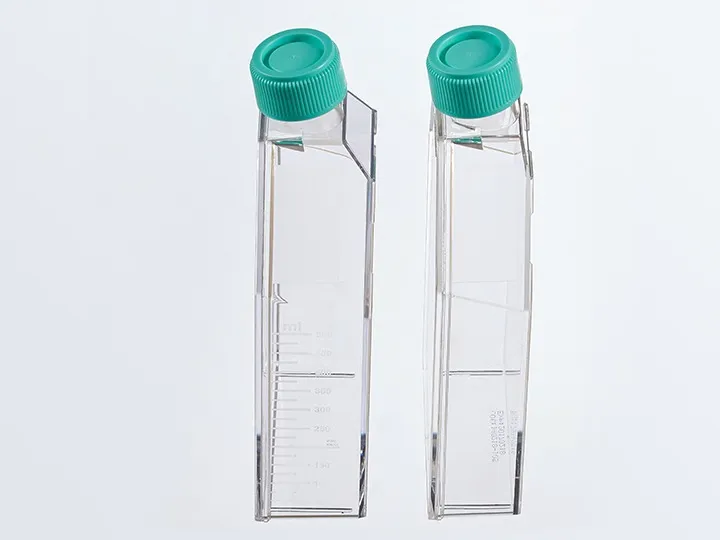
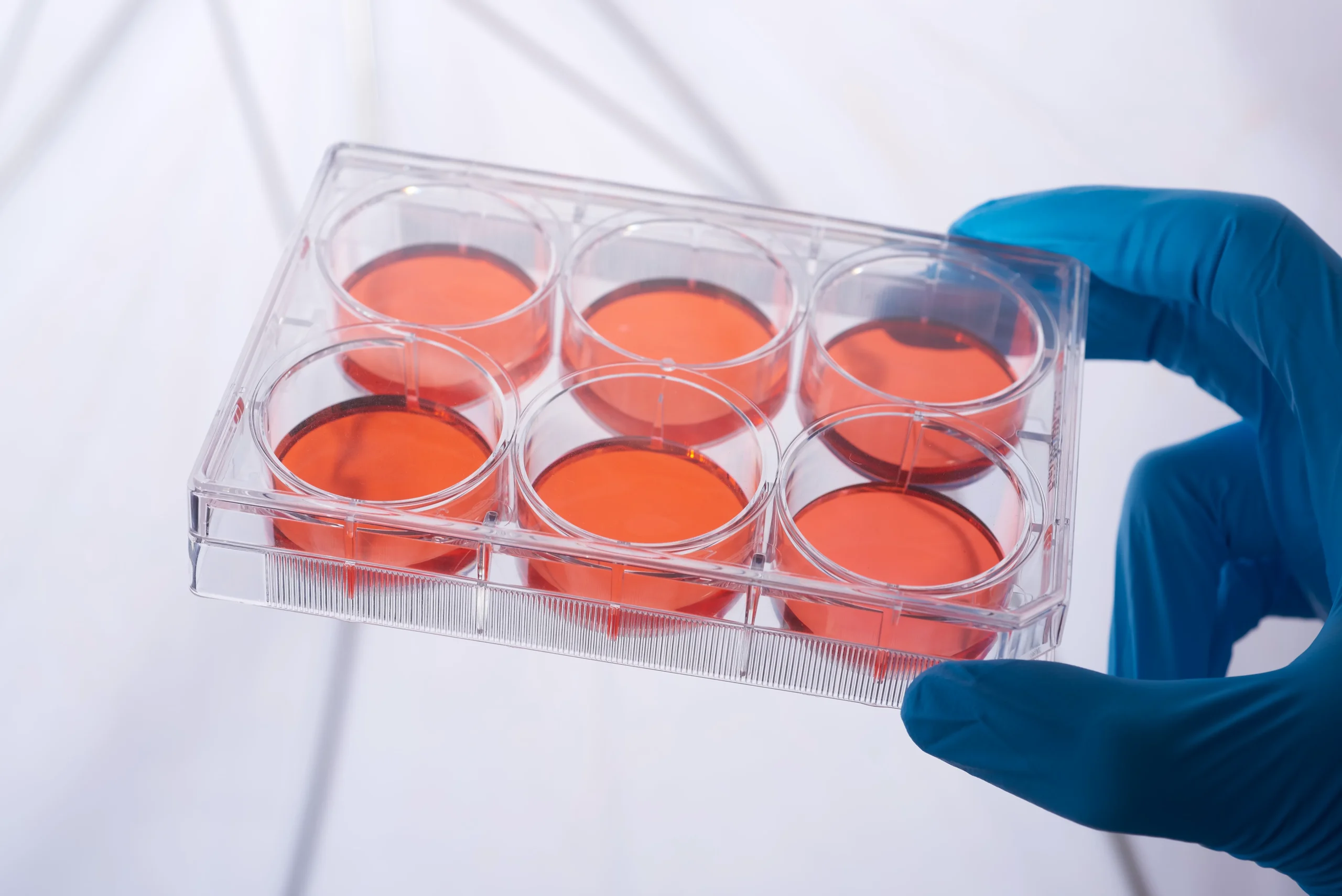
| Cell growth | Treated cell culture flask, cell culture dish, cell culture plate, vented or plug seal cap. | Wrong surface treatment or cap type can affect growth and gas exchange. |
| Media exchange | Serological pipette, disposable pipette, media bottle, sterile reservoir if needed. | Pipette packaging, sterile claim, and volume range must match the workflow. |
| Detachment | Cell scraper, cell lifter, enzyme-compatible handling consumables, sterile gloves. | Blade stiffness, handle length, and technique can affect cell recovery and damage. |
| Transfer | Sterile pipette, centrifuge tube, conical tube, tube rack, labels. | Tube leakage, cap fit, and label clarity affect sample handling. |
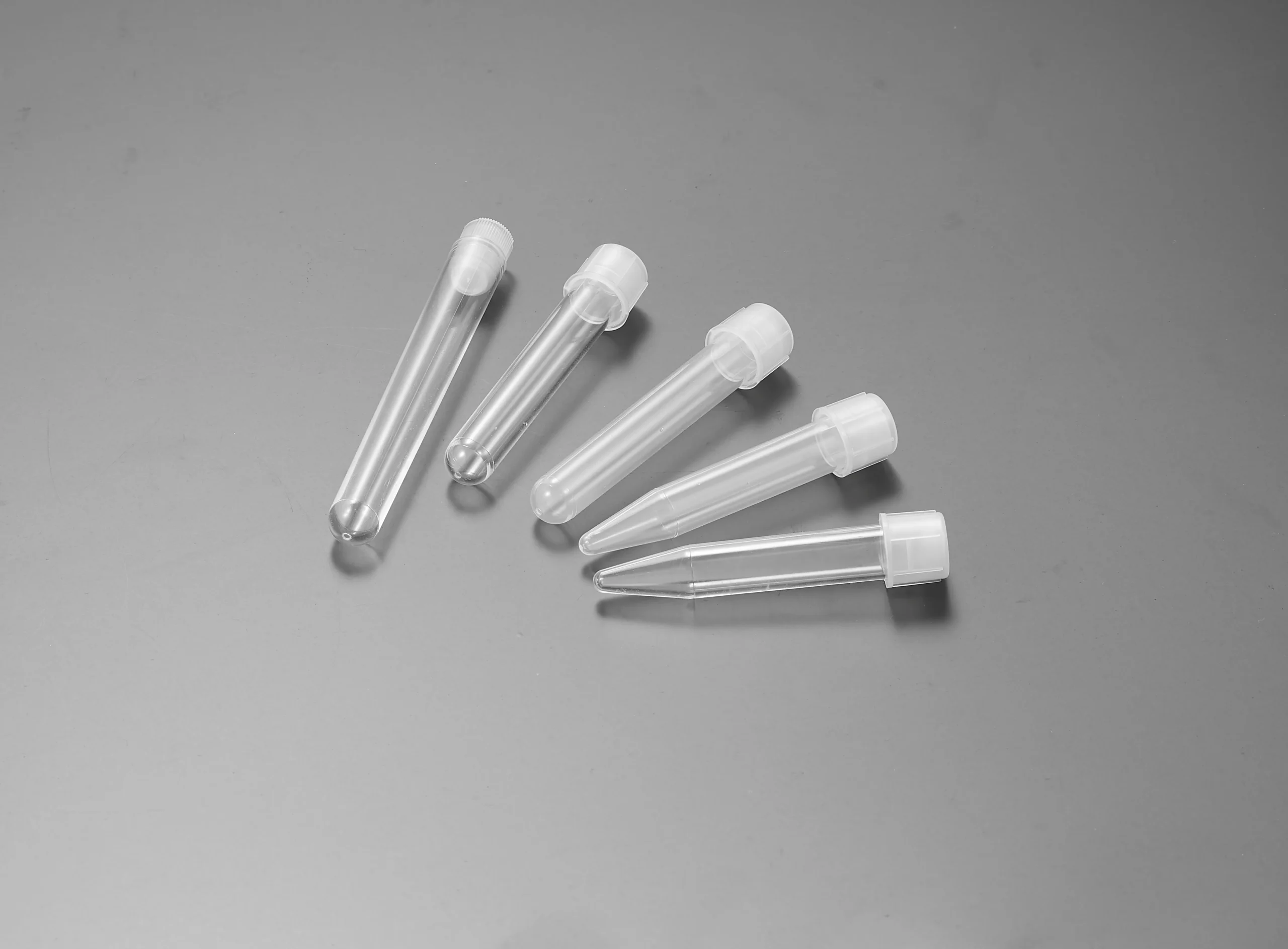
| Centrifugation | 15 mL or 50 mL centrifuge tubes, tube rack, compatible rotor. | Tube RCF rating, seal performance, and volume selection matter. |
| Resuspension and reseeding | Pipettes, tubes, new flasks or plates, media bottles, sterile packaging. | Contamination control and lot consistency affect repeat results. |
Buyer Type Mapping
| Buyer Type | Main Workflow Concern | What to Check First |
|---|---|---|
| Distributor | Sell a complete cell culture consumables set with stable repeat orders. | SKU range, packaging, MOQ, carton quantity, private label option, and complaint process. |
| Importer | Coordinate multiple bulky and sterile SKUs in one shipment. | Carton dimensions, packing list, shelf life, sterile documents, and mixed-shipment plan. |
| Research lab | Daily workflow convenience and reproducible handling. | Flask surface, scraper fit, pipette volume, tube cap, and sample validation. |
| University lab | Budget, training use, and versatile consumables across protocols. | Common sizes, durable packaging, easy labeling, and stable supply. |
| Biotech lab | Cell recovery, viability, sterility, endotoxin awareness, and documentation. | Sterility declaration, material statement, endotoxin-related evidence if required, and lot traceability. |
| Pharma QC buyer | Approved supplier control and repeatable documentation. | COA if available, lot record, change notice, retained sample, and packaging version control. |
| OEM/private label buyer | Brand packaging and claim control across multiple consumables. | Artwork proof, label language, barcode, supported claims, and package approval. |
Specification Interpretation by Product Group
| Consumable | Specification to Interpret | Why It Matters |
|---|---|---|
| Cell culture flask | Treated or non-treated surface, vented or plug seal cap, volume, growth area, sterile packaging. | Surface and cap choice affect cell attachment, gas exchange, and contamination control. |
| Cell scraper or lifter | Blade width, blade flexibility, handle length, sterile pouch, lot number. | Mechanical detachment depends on vessel access and pressure control. |
| Serological pipette | Volume range, sterile wrap, plug type, graduation clarity, compatibility with pipette controller. | Media transfer and resuspension require clean, controllable liquid handling. |
| Centrifuge tube | 15 mL or 50 mL format, cap seal, RCF rating, sterile status, graduation, writing area. | Harvested cells need secure transfer, centrifugation, and labeling. |
| Media bottle | Material, cap design, sterile status, clarity, graduation, storage condition. | Media and buffer handling must align with sterility and storage needs. |
| Gloves and packaging | Powder-free status, sterile or non-sterile use, low residue, inner packaging, carton cleanliness. | Handling consumables can introduce particles, powder residue, or contamination risk. |
Application-Based Decision Framework
| Workflow Situation | Better Consumable Direction | Why |
|---|---|---|
| Routine adherent cell passaging | Standard treated flasks, sterile pipettes, 15 mL or 50 mL tubes, and validated scraper or lifter sizes. | Routine work needs consistency, speed, and low contamination risk. |
| Sensitive primary cells | Gentler lifter or validated scraper edge, careful pipetting, sterile packaging, and documented lots. | Mechanical force and material contact can affect viability and recovery. |
| Large flask or multilayer vessel workflow | Long-handle scraper, suitable pipette volume, secure tube transfer, and carton-protected packaging. | Access and transfer volume are more important than one generic scraper size. |
| High-throughput or repeated research workflow | Stable SKU list, repeat packaging, lot traceability, and supplier change notice. | Repeatability reduces procurement and experimental variation. |
| Distributor bundle program | Package flasks, scrapers, pipettes, tubes, media bottles, and gloves as a compatible sourcing set. | Bundled logic helps customers buy by workflow rather than individual product confusion. |
| Pharma or biotech controlled workflow | Supplier documents, approved samples, material statements, sterility declarations, and retained lot records. | Document control supports audit readiness and complaint investigation. |
Risk Scenario: One Consumable Breaks the Workflow
A biotech lab approves a new cell culture flask and sterile pipette supplier but continues buying scrapers and tubes from another low-cost source. During passaging, operators find that the scraper handle is too short for some flasks and the centrifuge tube caps feel inconsistent after repeated handling. The issue is not only user technique. The consumable set was never validated as one workflow.
For adherent cell harvesting, buyers should test the full path: vessel, detachment tool, liquid transfer, tube handling, centrifugation, resuspension, and reseeding. A clean product photo or a single sterile claim cannot prove that the workflow is stable.
Contamination and Cell Damage Control
| Risk | Where It Appears | Buyer Control |
|---|---|---|
| Microbial contamination | Opening flasks, pipettes, scraper pouches, tubes, and media bottles. | Use sterile packaging, inspect pouch integrity, and validate aseptic workflow. |
| Endotoxin concern | Cell culture tools, plasticware, media-contact consumables. | Ask for endotoxin-related evidence when the workflow requires it; sterile alone is not enough. |
| Particle or fiber residue | Packaging, gloves, racks, cartons, and poorly controlled inner bags. | Inspect packaging cleanliness and choose powder-free gloves for sensitive work. |
| Mechanical cell damage | Scraper or lifter edge, pipetting force, tube transfer, centrifugation. | Validate blade flexibility, pipette control, tube fit, and centrifuge settings. |
| Sample mix-up | Tube labels, flask markings, racks, transfer steps. | Use clear writing area, labels, racks, lot records, and workflow documentation. |
| Leakage | Centrifuge tube cap, media bottle cap, transport between stations. | Test cap fit, tube rating, and handling condition before bulk orders. |
Documentation and Compliance Interpretation
For adherent cell harvesting consumables, documentation should be tied to the exact SKU and lot. A sterility declaration supports sterile packaging, but it does not prove endotoxin-free status, DNase/RNase-free status, low particle packaging, or suitability for every cell line. A material statement helps buyers understand resin or plastic contact, but it does not replace workflow validation. A COA, if available, should match the actual product family and shipment lot.
Buyers should avoid broad claims that are not linked to the product. For example, “cell culture grade” should be explained through surface treatment, sterile packaging, material control, lot traceability, and intended use rather than left as a vague label.
Supplier Questions Before Bulk Orders
| Question | Strong Supplier Answer | Warning Sign |
|---|---|---|
| Can you quote the full harvesting workflow set? | The supplier lists flasks, scrapers/lifters, pipettes, tubes, bottles, gloves, packaging, and documents. | The supplier quotes isolated SKUs without workflow context. |
| Do samples match the final order? | Samples use the same surface, packaging, lot format, and carton plan as bulk shipment. | Sample configuration differs from production packaging. |
| Which claims are supported? | The supplier separates sterile, endotoxin-related, DNase/RNase-free, material, and packaging claims. | All claims are treated as the same general quality statement. |
| How are packaging changes controlled? | The supplier agrees to notice before changing pouch, inner bag, label, carton, or sterilization process. | Packaging can change depending on temporary stock. |
| Can lot traceability support complaints? | The supplier can review lot number, retained sample, sterilization batch, and package photos. | No retained sample or lot record process exists. |
| Can OEM packaging bundle the workflow? | The supplier can coordinate label language, barcode, carton mark, and claim wording across SKUs. | Each SKU uses unrelated packaging and unsupported claims. |
Procurement Checklist
- Define the cell type, vessel format, detachment method, passaging frequency, and contamination sensitivity.
- List the full consumable set: flasks or plates, scrapers or lifters, pipettes, tubes, media bottles, racks, gloves, labels, and packaging.
- Confirm treated surface, cap type, sterile status, blade design, handle length, pipette volume, tube volume, cap seal, and writing area.
- Separate sterile, endotoxin-free, DNase/RNase-free, low-particle, and material claims; do not treat them as one claim.
- Request sterility declaration, material statement, COA if available, lot record, shelf life, and packaging photos.
- Validate samples in the real workflow before bulk orders, including detachment, transfer, centrifugation, and reseeding.
- Approve OEM labels, barcode, carton marks, inner bags, and supported claim wording before production.
- Record approved samples, lot numbers, carton quantities, and supplier change-control requirements for repeat orders.
Common Buyer Mistakes
Buying each consumable separately: The workflow can fail when flasks, scrapers, pipettes, and tubes are sourced without compatibility review.
Assuming sterile means fully suitable: Sterile packaging does not automatically prove low endotoxin, low particles, DNase/RNase-free status, or cell-line suitability.
Ignoring the detachment step: Scraper blade stiffness, lifter edge design, and handle length can affect cell recovery and consistency.
Skipping tube validation: Tube cap fit, graduation, writing area, and RCF rating matter after cells are transferred from the vessel.
Overlooking repeat-order changes: Packaging, mold, resin, supplier source, and label changes can alter a workflow after the first approved shipment.
Related Product and Resource Pages
FAQ: Adherent Cell Harvesting Workflow Consumables
What consumables are needed for adherent cell harvesting?
Common consumables include cell culture flasks or dishes, scrapers or lifters, sterile pipettes, centrifuge tubes, media bottles, tube racks, labels, gloves, and sterile packaging.
Why should buyers source the workflow instead of one product?
Adherent cell harvesting depends on compatibility between vessels, detachment tools, liquid transfer, tubes, packaging, and documentation. One mismatched consumable can affect recovery, sterility, or repeatability.
Are sterile consumables enough for cell culture harvesting?
Sterility is important, but buyers may also need endotoxin-related evidence, material statements, lot traceability, low-particle packaging, or DNase/RNase-free claims depending on the workflow.
How should buyers choose between scraper and lifter use?
Buyers should consider vessel size, cell sensitivity, edge design, blade flexibility, handle length, and operator technique. Samples should be tested in the actual workflow.
Which tubes are common after harvesting?
Many labs use 15 mL or 50 mL centrifuge tubes after detachment and transfer. Buyers should confirm cap seal, graduation, writing area, sterile status, and centrifuge compatibility.
What should distributors include in a workflow RFQ?
Distributors should include vessel type, scraper or lifter size, pipette volumes, tube formats, sterile packaging, documents, carton quantity, OEM label needs, destination country, and sample request.
Final RFQ Note for Procurement Teams
When requesting consumables for adherent cell harvesting, include the full workflow: cell type, vessel format, surface treatment, cap type, scraper or lifter design, pipette volume, tube size, media bottle needs, sterile status, packaging format, carton quantity, destination country, documents, sample request, and OEM/private label requirements. This gives suppliers enough detail to quote a usable workflow set rather than disconnected SKUs.
How OBObio Supports Buyers
OBObio supports B2B buyers sourcing cell culture flasks, cell culture plates, cell scrapers, cell lifters, serological pipettes, centrifuge tubes, media bottles, Petri dishes, sample containers, cryogenic vials, gloves, and related laboratory consumables. Buyers can discuss samples, sterile packaging, MOQ, lead time, documentation, OEM/private label packaging, carton planning, and repeat-order stability before bulk purchasing.
Request Pricing or Samples
Tell us the product type, quantity, destination country, and any packaging or certification requirements. OBObio will reply with suitable lab consumables options.