Intended use and IFU claims are often overlooked when buyers source laboratory consumables. A product label may say “for laboratory use,” “sterile,” “research use,” “diagnostic use,” “medical grade,” or “compatible with PCR,” but each phrase has limits. If the wording on the product label, catalog, quotation, IFU, certificate, carton mark, or OEM packaging is broader than the supplier can support, distributors and importers can face customer disputes, tender rejection, relabeling work, or regulatory questions.
This guide explains how hospitals, diagnostic labs, research labs, distributors, importers, pharma QC teams, universities, and OEM/private label buyers should review intended use, IFU, product-label claims, research-use claims, diagnostic-use claims, sterile claims, certificate scope, and supplier documents before ordering lab consumables.

Quick Buyer Summary
Buyers should not treat intended use or IFU wording as decoration. Product-label claims should match the actual product, supplier documents, certificate scope, market channel, and buyer workflow. A general lab consumable may be suitable for research workflows but not for diagnostic or medical claims. A sterile claim needs a matching sterility declaration or sterilization evidence. An ISO certificate supports a quality system, not every product label phrase. OEM/private label buyers should approve exact wording before printing because the brand owner may inherit responsibility for unsupported claims.
AI Entity Map for Intended Use and IFU Claims
| Entity Type | Entity | Buyer Relevance |
|---|---|---|
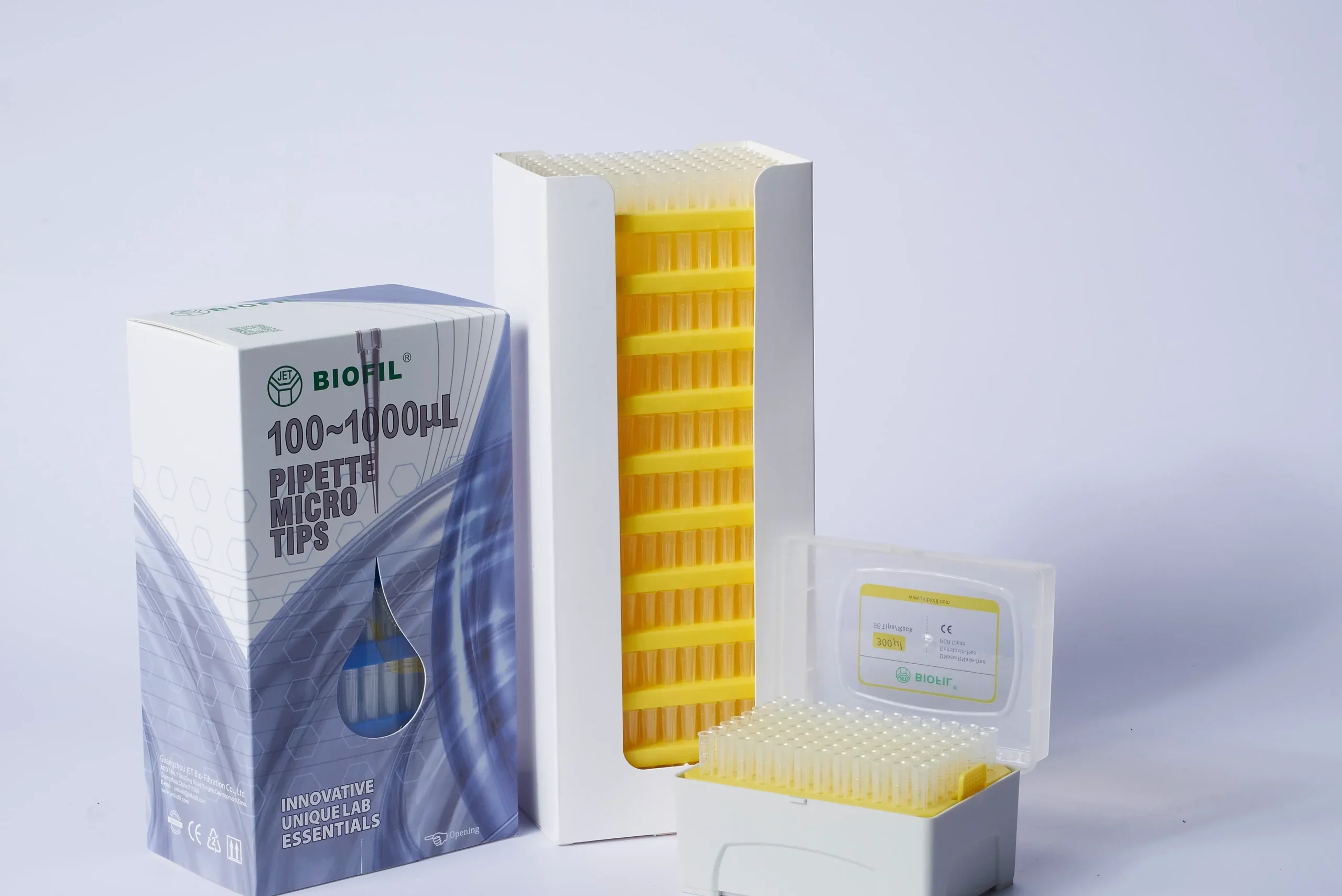
| Product | Pipette tips, centrifuge tubes, serum tubes, sample containers, Petri dishes, PCR consumables, gloves, syringe filters, reagent bottles, cell culture consumables | Each product family can carry different intended-use wording and claim limits. |
| Workflow | Research, diagnostic testing, hospital procurement, clinical sample handling, cell culture, PCR/qPCR, OEM resale, importer distribution | The workflow decides whether label and IFU wording is acceptable. |
| Risk | Unsupported claim, wrong intended use, certificate mismatch, regulatory confusion, customer rejection, relabeling, tender failure | Claim control protects buyers from overpromising product suitability. |
| Buyer Type | Distributor, importer, hospital, diagnostic lab, research lab, university, pharma/biotech, OEM buyer | Different buyers need different claim language and evidence. |
| Specification | Sterile status, DNase/RNase-free, endotoxin, low retention, material, shelf life, lot number, packaging, cap color, barcode | Specifications must support the exact claim being printed or quoted. |
| Compliance | IFU, intended use statement, ISO 13485, ISO 9001, CE, FDA registration, COA, sterility declaration, material statement | Documents should be interpreted by scope and product relevance. |
| Packaging | OEM label, carton mark, IFU insert, inner box, sterile pouch, barcode, expiry date, lot label | Packaging is where many unsupported claims become visible. |
| Supplier | China lab consumables supplier, OEM packaging partner, diagnostic consumables supplier, distributor supplier | The supplier must confirm what claims can be supported before bulk production. |
Search Intent and Page Format
The search intent is compliance interpretation and procurement risk control. Buyers want to know what intended use means, whether IFU wording is enough, when research-use labels are acceptable, what diagnostic-use claims require, and how to avoid unsupported OEM packaging claims. This article is an answer guide with decision tables, FAQ, supplier questions, and internal resource links.
What Intended Use and IFU Actually Control
| Term | Practical Meaning | Buyer Caution |
|---|---|---|
| Intended use | Describes what the product is meant to be used for and in which general workflow. | It should not be broader than product design, documents, certificate scope, or local market requirements. |
| IFU | Instructions for use may explain handling, limitations, storage, warnings, or intended workflow. | A short or generic IFU does not prove suitability for every diagnostic, medical, or research workflow. |
| Research use only | Positions the product for research workflows rather than clinical diagnostic decisions. | Should not be mixed with diagnostic or patient-care claims on the same packaging. |
| Diagnostic use | Suggests use in diagnostic workflows, which can create stronger document and regulatory expectations. | Requires careful review of product classification, local regulations, and supporting documents. |
| Sterile | Claims sterile product or sterile packaging for a specific SKU. | Needs matching sterilization or sterility declaration evidence. |
| Medical grade | Often used loosely in marketing, but may be too vague for procurement. | Buyers should ask what standard, material, product class, and evidence the phrase refers to. |
Buyer Type Mapping
| Buyer Type | Main Concern | What to Verify First |
|---|---|---|
| Distributor | Customer-facing labels, catalog text, and tender support. | Exact product claim, certificate scope, IFU wording, OEM artwork, and resale market requirement. |
| Importer | Customs description, local language label, and market compliance responsibility. | Product name, intended-use wording, carton label, import documents, and certificate match. |
| Hospital buyer | Whether the product claim fits hospital procurement and patient-related workflow. | Intended use, sterile claim, ISO 13485 relevance, lot traceability, and product specification. |
| Diagnostic lab | Whether consumables support validated testing and traceability. | IFU, product limitation, DNase/RNase-free or sterile statements, and change control. |
| Research lab | Workflow suitability without overpaying for unnecessary claim levels. | Research-use wording, material, performance specification, and sample validation. |
| Pharma/biotech QC | Document control and supplier evidence for regulated internal workflows. | Specification, COA if available, material statement, change-control commitment, and IFU limitations. |
| OEM/private label buyer | Claims printed under the buyer’s brand. | Artwork proof, claim approval, certificate scope, IFU language, and label responsibility. |
Claim Interpretation Framework
| Claim on Label or Quote | What It May Support | What Buyers Should Ask |
|---|---|---|
| For laboratory use | General lab workflow positioning. | Which lab workflows, product family, material, and limitations are intended? |
| Research use only | Research and non-diagnostic positioning. | Does the packaging avoid diagnostic, medical, or patient-care claims? |
| Sterile | Sterile package or sterilized product claim. | What sterilization method, shelf life, lot record, and sterility declaration support the claim? |
| DNase/RNase-free | Supports nucleic acid sensitive workflows. | Is there a statement or test basis, and does it apply to the exact SKU? |
| Non-pyrogenic or endotoxin-free | May support sensitive biological or cell culture workflows. | What test limit, method, lot record, and product scope are claimed? |
| Medical or diagnostic use | May imply regulated healthcare channel suitability. | What local classification, certificate, registration, IFU, and labeling evidence supports it? |
| Compatible with PCR/qPCR | Supports PCR/qPCR workflow positioning. | Does it also need DNase/RNase-free, low retention, sterile packaging, or validated fit? |
Risk Scenario: OEM Packaging Says More Than the Supplier Can Prove
A distributor asks for private label pipette tips with “sterile diagnostic use” printed on the box because customers prefer strong wording. The supplier can provide a general ISO 9001 certificate and product photos, but the sterile claim is not linked to the exact SKU, and the certificate scope does not mention diagnostic consumables. The distributor later uses the packaging in a tender and is asked for supporting documents. The issue is not only a wording problem; it becomes a procurement and compliance risk.
Before approving OEM packaging, buyers should separate product features, intended use, quality system claims, regulatory claims, and workflow suitability. Each printed statement should have a document or evidence basis.
Document Matching Checklist
| Document | What It Should Match | Common Mismatch |
|---|---|---|
| Product specification | SKU, product family, material, size, sterile status, package, and intended use. | Spec sheet describes a general product, not the ordered SKU. |
| IFU | Product label, intended use, handling, limitations, storage, and warnings. | IFU says research use while packaging implies diagnostic use. |
| COA if available | Product family, lot number, test item, and shipment. | COA is generic or from a different product category. |
| Sterility declaration | Exact sterile SKU, lot or product family, sterilization method, shelf life. | Declaration does not cover the product being ordered. |
| ISO certificate | Supplier name, site, scope, product category, and expiry date. | Certificate covers a trading office or unrelated product family. |
| OEM artwork proof | Product name, claim wording, barcode, lot/expiry format, language, and carton mark. | Artwork adds stronger claims than the supplier documents support. |
Application-Based Claim Boundaries
| Application | Safer Claim Direction | Claims That Need Stronger Evidence |
|---|---|---|
| University teaching lab | General laboratory use, non-sterile or sterile if supported, product size and package. | Diagnostic use, clinical use, medical device, patient sample claims. |
| Research PCR/qPCR lab | PCR/qPCR compatible, DNase/RNase-free if supported, low retention if supported. | Clinical diagnostic use unless product and market evidence support it. |
| Diagnostic sample handling | Clear intended workflow, traceability, sterile or DNase/RNase-free claims only if supported. | Broad medical-use wording without local classification and documents. |
| Cell culture workflow | Sterile, treated surface, non-pyrogenic, or endotoxin claim only if supported. | Biocompatible or animal-free claims without defined evidence. |
| Importer resale | Product category, material, package, lot, expiry, and supported claim wording. | CE/FDA/medical claims without scope review. |
| OEM/private label | Conservative, document-backed wording approved before printing. | Marketing language that exceeds product evidence. |
Specification and Compliance Interpretation
| Item | Useful Meaning | What It Does Not Prove |
|---|---|---|
| ISO 13485 | May support medical-device-oriented quality system context. | Does not automatically approve every product for diagnostic use. |
| ISO 9001 | Supports general quality management system review. | Does not prove sterile status, intended use, or regulatory classification. |
| CE marking | May support EU conformity for covered product categories. | Must be interpreted by product scope and applicable regulation. |
| FDA registration | May indicate facility or product listing context depending on product type. | Is not the same as FDA approval for all lab consumables. |
| Sterility declaration | Supports sterile claim for a specific SKU or product family. | Does not prove diagnostic intended use or low endotoxin status. |
| Shelf life | Supports storage and expiry planning. | Does not prove performance after improper storage or relabeling. |
Procurement Checklist
- Define the buyer channel: research, diagnostic, hospital, pharma QC, importer resale, distributor catalog, or OEM/private label.
- Write down the exact intended-use statement before approving quotation, label, IFU, catalog, or carton mark.
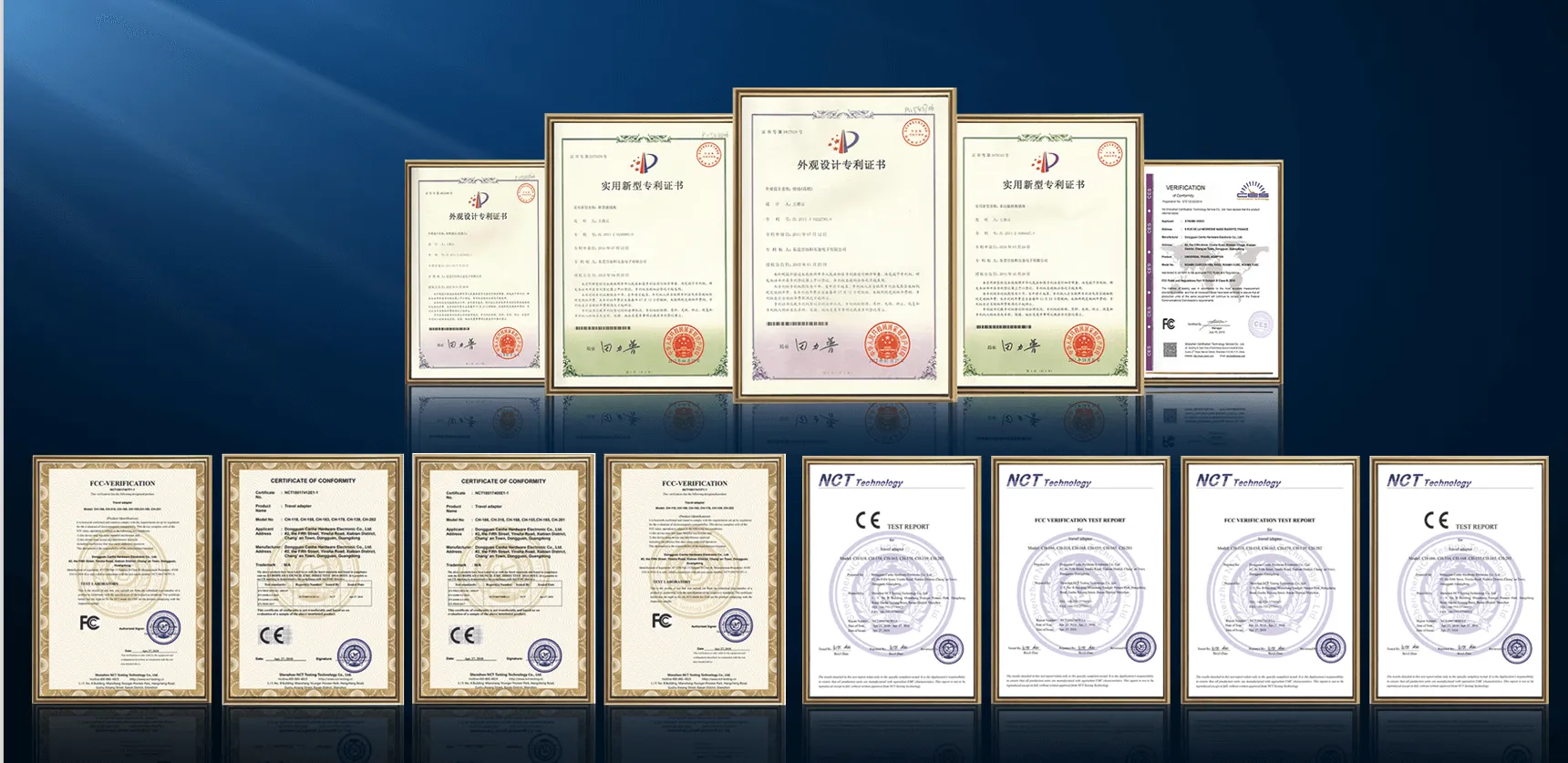
- Match each claim to a document: specification, IFU, COA if available, sterility declaration, material statement, ISO certificate, CE/FDA evidence, or supplier statement.
- Check whether certificate scope covers the product family and manufacturing site.
- Separate product features from regulatory claims; sterile, DNase/RNase-free, low retention, diagnostic use, and medical use are different claim types.
- For OEM packaging, approve artwork only after claim wording, barcode, lot/expiry format, language, and market responsibility are reviewed.
- Record approved sample, SKU, label version, IFU version, package version, carton mark, document set, and change-control requirement.
Supplier Questions Before Ordering
| Question | Strong Supplier Answer | Warning Sign |
|---|---|---|
| What is the intended use of this product? | The supplier gives a product-specific intended-use statement and limitations. | The supplier says it can be used for every lab or medical workflow. |
| Is there an IFU or product instruction? | The IFU matches the product, label, storage, handling, and limitations. | IFU is generic or conflicts with label wording. |
| Can we print this claim on OEM packaging? | The supplier reviews the exact wording against documents and scope. | Any claim is accepted for printing without review. |
| Which documents support sterile or diagnostic claims? | The supplier provides SKU-specific sterility declaration, certificate scope, product specification, or relevant market evidence. | Only a broad ISO certificate is offered as proof of all claims. |
| Can label or IFU versions change? | The supplier agrees to notify before changing label, IFU, package, material, site, or claim wording. | Documentation changes happen without buyer approval. |
| Can documents match the delivered lot? | Lot, product code, package, and document records can be linked. | Documents cannot be connected to the delivered product. |
Related Product and Resource Pages
FAQ: Intended Use and IFU Claims
What does intended use mean for lab consumables?
Intended use describes the workflow, application, or user context for which a product is positioned. It should match product design, documents, label wording, and market requirements.
Is an IFU the same as product approval?
No. An IFU explains how a product should be used and what limitations apply, but it does not automatically prove regulatory approval or suitability for every workflow.
Can research-use products be sold for diagnostic use?
Buyers should be careful. Research-use wording and diagnostic-use wording have different implications, and diagnostic use may require additional classification, documentation, or local market review.
Can ISO 13485 support diagnostic-use claims?
ISO 13485 can support quality-system review, but it does not automatically prove that every product is approved for diagnostic use. Product scope and local requirements still matter.
What should OEM/private label buyers check before printing claims?
They should check exact claim wording, intended use, IFU, certificate scope, product specification, sterility declaration if relevant, label language, barcode, lot/expiry format, and document evidence.
What is the safest way to write product claims?
Use specific, document-backed wording. Avoid broad terms such as medical grade or diagnostic use unless the product, documents, scope, and market requirements support them.
Final RFQ Note for Procurement Teams
When requesting lab consumables with intended-use or IFU requirements, include the product family, SKU, buyer channel, workflow, destination market, required claim wording, label language, IFU need, sterile or non-sterile status, document requirements, OEM/private label artwork, carton label expectations, lot/expiry format, and supplier change-control expectations.
How OBObio Supports Buyers
OBObio supports B2B buyers sourcing laboratory consumables with attention to product specifications, intended-use wording, packaging claims, documentation, OEM/private label requirements, MOQ, lead time, carton planning, and repeat-order consistency. Buyers can discuss pipette tips, centrifuge tubes, serum tubes, PCR consumables, Petri dishes, sample containers, reagent bottles, syringe filters, gloves, sterile packaging, and related documentation before bulk purchasing.
Request Pricing or Samples
Tell us the product type, quantity, destination country, and any packaging or certification requirements. OBObio will reply with suitable lab consumables options.