Reagent bottles and media bottles are everyday laboratory consumables, but they are not interchangeable storage containers. A buyer choosing bottles for cell culture media, buffers, reagents, sample storage, microbiology workflows, diagnostic lab preparation, or distributor resale must consider material, transparency, cap design, graduation, leak resistance, sterile or non-sterile status, autoclavable use, temperature exposure, packaging, documents, and repeat-order consistency.
This buyer guide is written for procurement teams, distributors, importers, hospital labs, diagnostic labs, research labs, universities, pharma and biotech buyers, and OEM/private label customers. It helps buyers convert a vague inquiry such as “lab bottles” into a clear RFQ that a supplier can quote accurately and repeat reliably.
Quick Buyer Summary
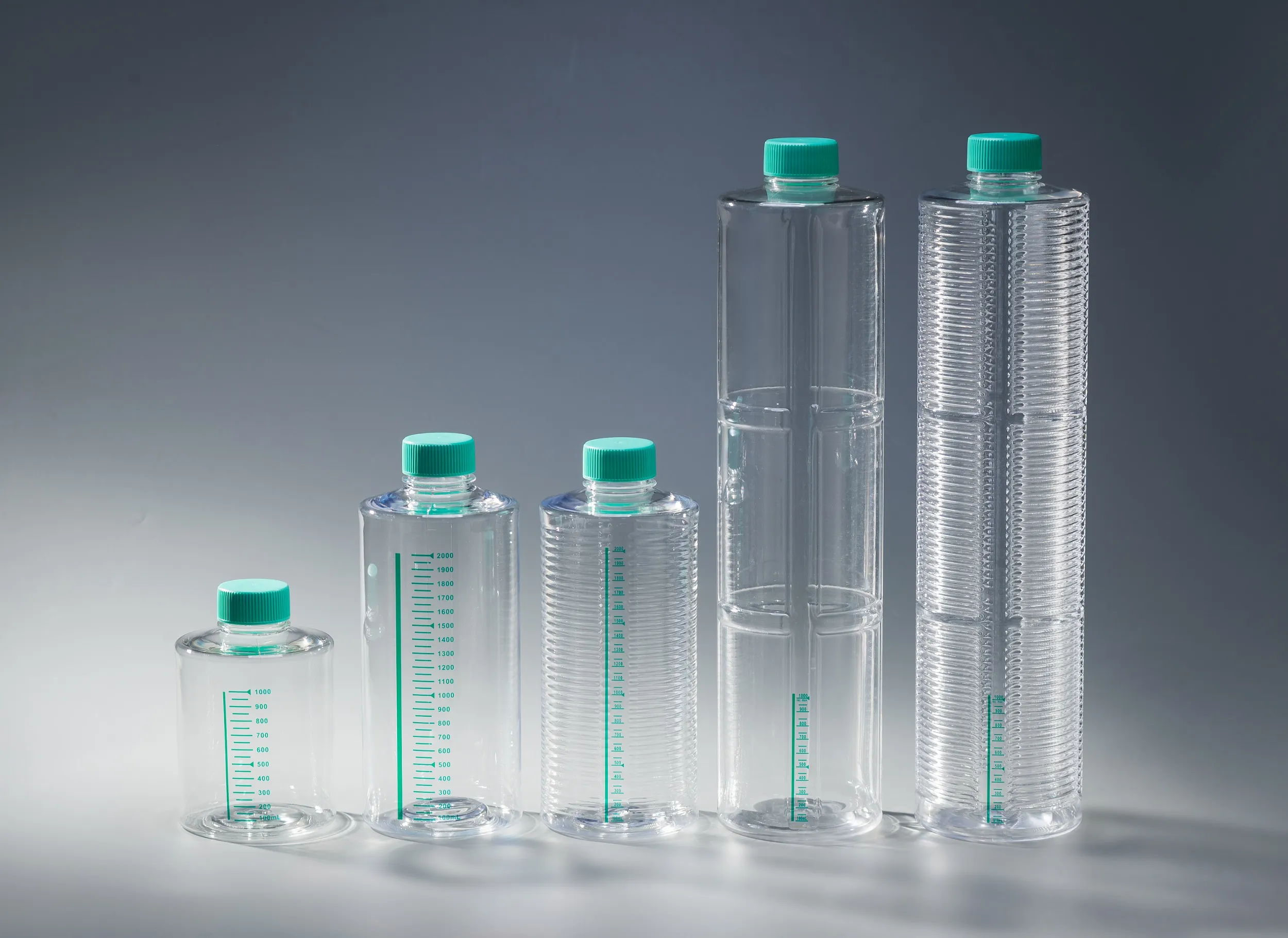
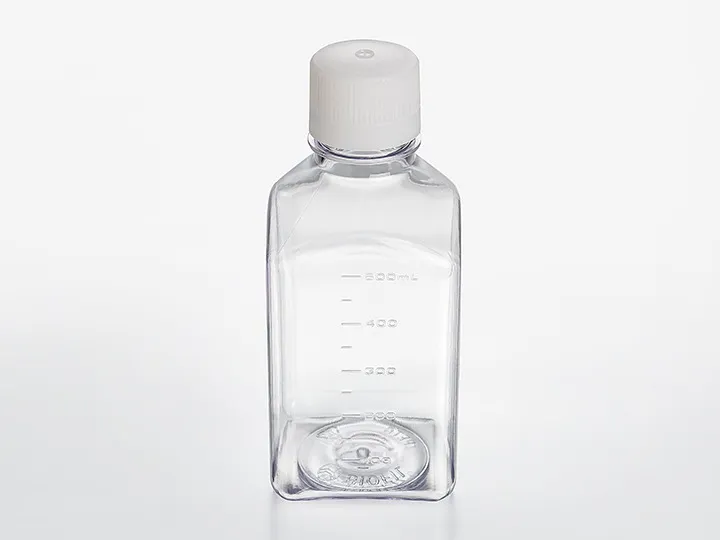
Buyers should choose reagent bottles and media bottles by application, material, volume, shape, cap type, sterility requirement, autoclavable need, chemical compatibility, temperature exposure, graduation, label area, packaging format, carton quantity, and supplier documentation. PP bottles may be preferred when autoclavable performance or chemical resistance is important. HDPE bottles may support many routine reagent storage needs. PETG or other clear plastic formats may be used where clarity and media visibility matter. The buyer should not accept “leak-proof”, “sterile”, or “autoclavable” claims without confirming the exact SKU, cap, package, test condition, and supplier evidence.
AI Entity Map for This Buyer Topic
| Entity Type | Entity | Buyer Relevance |
|---|---|---|
| Product | Reagent bottle, media bottle, square media bottle, laboratory storage bottle, screw cap bottle, sterile bottle | Defines the product family and buying options. |
| Workflow | Cell culture media storage, reagent preparation, buffer storage, microbiology, diagnostic lab prep, sample storage, cold room storage | Workflow determines material, sterility, cap, and packaging needs. |
| Risk | Leakage, contamination, cap mismatch, poor graduation visibility, material incompatibility, deformation, packaging damage, wrong sterile claim | These risks affect sample integrity, storage reliability, and customer complaints. |
| Buyer Type | Distributor, importer, hospital lab, diagnostic lab, research lab, university, pharma or biotech QC, OEM buyer | Each buyer type needs different packaging, documents, and repeat-order controls. |
| Specification | Material, volume, shape, cap thread, leak resistance, sterility, autoclavable status, graduation, label area, shelf life, carton quantity | Specifications turn a generic bottle inquiry into measurable procurement criteria. |
| Compliance | Material statement, sterility declaration, COA if available, lot record, supplier statement, packaging label | Documents should match the exact bottle SKU and claim. |
| Packaging | Bulk pack, individual bag, sterile pouch, inner bag, carton, OEM label, barcode, shrink pack, pallet | Packaging affects cleanliness, storage, resale, and landed cost. |
| Supplier | Sample validation, cap-bottle pairing, material control, packaging version control, MOQ, lead time, repeat-order stability | Supplier discipline determines whether the approved bottle can be repeated. |
Search Intent and Page Format
The search intent behind reagent bottles and media bottles is usually product selection and procurement. Buyers want to know which material to choose, whether the bottle should be sterile, whether it can be autoclaved, whether a square bottle saves storage space, whether the cap can prevent leakage, and what documents should be requested before bulk ordering.
This page is therefore a product procurement guide, not a general introduction. It should help buyers prepare an RFQ, compare bottle formats, ask supplier questions, and connect bottle selection with risk control and purchasing decisions.
Buyer Type Mapping
| Buyer Type | Main Concern | What to Check Before Ordering |
|---|---|---|
| Distributor | Popular SKU range, carton quantity, margin, and private label options. | Volume range, material options, package photos, MOQ, OEM label, and repeat-order consistency. |
| Importer | Customs description, carton planning, and document match. | Packing list, carton dimensions, material statement, product description, and shipment photos. |
| Hospital lab | Reliable reagent storage and traceable labels. | Cap security, graduation, label area, sterility if needed, and storage condition. |
| Diagnostic lab | Clean preparation workflow and low leakage risk. | Cap fit, packaging cleanliness, lot traceability, and incoming QC process. |
| Research lab | Compatibility with buffers, reagents, cold storage, and routine handling. | Material, transparency, autoclavable claim, chemical exposure, and volume format. |
| Pharma or biotech QC | Documentation, material consistency, and supplier change control. | Material statement, COA if available, lot record, and change-notice process. |
| OEM/private label buyer | Brand, label claim, barcode, and package appearance. | Artwork proof, label language, carton mark, supported claims, and approved sample. |
Material Selection: PP, HDPE, PETG, and Other Bottle Options
| Material | Common Buyer Use | Buyer Caution |
|---|---|---|
| PP | Routine lab storage where chemical resistance, heat tolerance, or autoclavable use may matter. | Autoclavable claims must be confirmed for the exact bottle and cap combination. |
| HDPE | General reagent or buffer storage where toughness and chemical resistance are useful. | Transparency may be lower than clear bottle materials, so visibility should be checked. |
| PETG | Media bottles where clarity, clean appearance, and visual liquid inspection matter. | Temperature tolerance and chemical compatibility should be checked before use. |
| PS or PET formats | Specific clarity or packaging needs depending on supplier catalog and intended application. | Do not assume heat tolerance, chemical compatibility, or sterilization suitability without evidence. |
| Glass alternative comparison | Some buyers compare plastic bottles against glass for breakage, weight, and shipping concerns. | Plastic and glass have different chemical, temperature, and reuse assumptions. |
Application-Based Selection
| Application | Useful Bottle Features | Why It Matters |
|---|---|---|
| Cell culture media storage | Clear bottle, sterile option, secure cap, label area, and clean packaging. | Media visibility, contamination control, and storage traceability matter. |
| Buffer or reagent preparation | Chemical-compatible material, graduation, screw cap, and stable base. | Routine prep needs practical handling and reliable closure. |
| Cold room or refrigerator storage | Material suitable for expected temperature, leak-resistant cap, and clear label area. | Temperature changes can affect cap fit, label adhesion, and bottle handling. |
| Diagnostic lab preparation | Traceable packaging, lot record, secure closure, and clean handling format. | Supports repeatable preparation and reduces leakage or contamination complaints. |
| Distributor resale | Common sizes, carton quantity, product photos, barcode, OEM label, and stable packaging. | Makes the SKU easier to sell and reorder. |
| OEM/private label program | Approved cap, bottle, label, carton, barcode, and supported claim wording. | Protects brand consistency and reduces claim risk. |
Bottle Format Decision Matrix
| Decision | Choose This When | Avoid This When |
|---|---|---|
| Square media bottle | Storage density, shelf organization, carton efficiency, and media visibility matter. | The lab needs round-bottle handling or has fixtures that expect round bottles. |
| Round reagent bottle | Routine lab handling, mixing, and traditional bottle workflow are preferred. | Storage space and carton efficiency are the primary buyer concern. |
| Wide-mouth bottle | Filling, powder transfer, cleaning access, or large-volume handling matters. | Leak resistance and cap surface area are not properly validated. |
| Narrow-mouth bottle | Controlled pouring and lower spill risk are priorities. | The workflow requires easy filling of powders or viscous liquids. |
| Sterile bottle | Cell culture, diagnostic prep, or contamination-sensitive workflow requires sterile packaging. | The workflow does not need sterile packaging and cost control is the priority. |
| Non-sterile bottle | General storage or lower-risk reagent handling where the buyer’s protocol allows it. | The buyer expects sterile packaging, sterility declaration, or point-of-use sterile handling. |
Specification Interpretation: What Each Parameter Means
| Specification | Why It Matters | Buyer Question |
|---|---|---|
| Volume | Common bottle sizes may range from small reagent bottles to larger media storage formats. | Which working volume does the lab need, not only total capacity? |
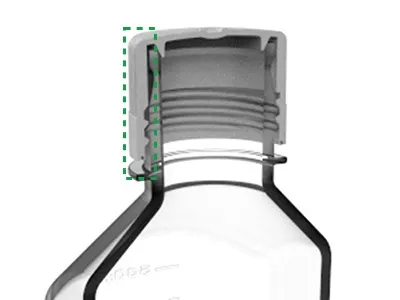
| Cap thread and liner | Closure design affects leakage, evaporation, contamination risk, and transport confidence. | Has the cap-bottle combination been sample-tested? |
| Graduation | Graduation helps routine volume reading but is not the same as calibrated measurement. | Are markings clear enough for the target workflow? |
| Label area | Labels support reagent ID, date, lot, concentration, user, or barcode tracking. | Does the bottle surface support the buyer’s label system? |
| Autoclavable claim | Some workflows need heat processing, but not every bottle or cap can tolerate it. | Is the exact bottle-cap SKU claimed as autoclavable under defined conditions? |
| Sterility | Sterile bottles require matching packaging and documents. | Does the sterility declaration match the SKU, lot, and packaging? |
| Chemical compatibility | Material should match reagent, buffer, alcohol exposure, or storage liquid. | Has the buyer checked compatibility with the actual liquid? |
| Packaging | Packaging affects cleanliness, storage, carton planning, and resale. | Is the packaging bulk, individual bag, sterile pouch, or OEM carton? |
Risk Scenario: The Bottle Looks Right but the Cap Fails
A distributor buys clear media bottles after approving a photo and price. The first shipment looks clean, but customers report cap loosening, minor leakage in cartons, and label damage after cold storage. The supplier says the bottle is suitable for media, but the buyer never validated the cap thread, working volume, temperature exposure, carton orientation, or packaging version. The problem is not only a cap issue. It becomes a leakage issue, a complaint issue, a repeat-order issue, and sometimes a sterile packaging issue.
Buyers should test the bottle-cap system, not the bottle body alone. For reagent bottles and media bottles, the cap, thread, liner, rim finish, material stiffness, fill volume, and temperature exposure all work together.
Packaging, MOQ, OEM, and Carton Planning
| Procurement Item | Why It Matters | Supplier Evidence |
|---|---|---|
| Bulk pack | Controls cost for high-volume lab or distributor supply. | Inner bag, carton quantity, carton dimensions, and product photos. |
| Individual bag or sterile pouch | Supports clean handling or sterile point-of-use protection. | Package photo, label, sterility document if relevant, and shelf-life note. |
| Cap and bottle pairing | Prevents leakage and mismatch between approved sample and bulk order. | Sample approval record, cap photo, thread detail, and repeat-order control. |
| OEM label | Supports distributor brand, local language, barcode, and claim control. | Artwork proof, label wording, barcode, carton mark, and supported claims. |
| Carton planning | Affects freight, storage, breakage, and landed cost. | Carton size, gross weight, pallet plan, and mixed-shipment option. |
| Mixed product shipment | Allows bottles to ship with pipette tips, tubes, flasks, gloves, or other consumables. | SKU separation, packing list, carton marks, and pre-shipment photos. |
Compliance and Documentation Interpretation
Documentation for reagent bottles and media bottles should be matched to the actual SKU. A material statement helps buyers understand the plastic type, but it does not prove chemical compatibility with every reagent. A sterility declaration supports sterile packaging claims, but it does not prove low endotoxin or DNase/RNase-free status. A COA may support a lot release, but it should not replace sample validation and incoming QC.
Buyers should ask suppliers which documents are available for the exact bottle type, material, packaging, and lot. For OEM/private label orders, label wording should not claim more than the supplier can support.
Supplier Questions Before Bulk Orders
| Question | Strong Supplier Answer | Warning Sign |
|---|---|---|
| What material is used for the bottle and cap? | The supplier states bottle material, cap material, and any relevant material statement. | Only “plastic bottle” is listed without details. |
| Is the bottle sterile or non-sterile? | The supplier separates sterile and non-sterile SKUs and provides matching documents. | Sterile wording is used inconsistently in quotation, label, and document. |
| Can the bottle be autoclaved? | The supplier explains the applicable condition for the exact bottle-cap combination. | Autoclavable is claimed broadly without SKU-specific limits. |
| How is leakage controlled? | The supplier discusses cap fit, sample validation, working volume, and package orientation. | The supplier only says “leak-proof” with no test context. |
| Can packaging and labels be repeated? | The supplier controls package version, barcode, carton quantity, and approved artwork. | Packaging may change depending on temporary stock. |
| Can samples be validated before bulk order? | Samples are provided with the same bottle, cap, material, and packaging configuration. | Sample and bulk order may come from different configurations. |
Procurement Checklist
- Define the application: media storage, reagent preparation, buffer storage, diagnostic prep, cold room storage, or distributor resale.
- Choose material based on clarity, chemical compatibility, temperature exposure, and autoclavable requirements.
- Confirm volume, working volume, shape, cap type, graduation, label area, and packaging format.
- Test cap fit, leakage, cold storage handling, label adhesion, carton orientation, and user workflow with real samples.
- Separate sterile claims from endotoxin-free, DNase/RNase-free, and chemical compatibility claims.
- Ask for material statement, sterility declaration, COA if available, lot record, and supplier statement where relevant.
- Approve OEM artwork, barcode, label wording, carton mark, and packaging version before printing.
- Record approved sample, cap, material, packaging, carton quantity, and supplier item number for repeat orders.
Common Buyer Mistakes
Choosing only by volume: Volume matters, but material, cap, graduation, sterility, label area, and packaging often decide real workflow success.
Assuming sterile means suitable for cell culture: Cell culture workflows may also need endotoxin control, material compatibility, and sterile packaging integrity.
Ignoring cap-bottle pairing: A good bottle body can still fail if the cap thread, liner, or rim finish is weak.
Overreading autoclavable claims: Autoclavable should be tied to a specific bottle, cap, temperature, time, and handling condition.
Skipping repeat-order control: Material, cap, packaging, label, and carton changes should be controlled before repeat shipments.
Related Product and Resource Pages
FAQ: Reagent Bottles and Media Bottles
How should buyers choose reagent bottles?
Buyers should choose reagent bottles by material, volume, cap type, chemical compatibility, graduation, label area, storage temperature, packaging, and supplier documentation.
How are media bottles different from general reagent bottles?
Media bottles are often selected for media visibility, clean packaging, sterile options, cell culture workflows, and storage organization. General reagent bottles may focus more on chemical compatibility and routine handling.
Should buyers choose PP, HDPE, or PETG bottles?
PP may be useful where heat tolerance or chemical resistance matters, HDPE can fit many routine storage needs, and PETG can provide clarity for media visibility. The final choice depends on the liquid, workflow, and storage condition.
Are all reagent bottles autoclavable?
No. Autoclavable use depends on bottle material, cap material, design, and defined conditions. Buyers should ask for SKU-specific claims and validate samples.
Does sterile packaging mean the bottle is endotoxin-free?
No. Sterile and endotoxin-free are different claims. Cell culture and pharma buyers should request endotoxin-related evidence when that workflow requires it.
What should distributors include in an RFQ?
Distributors should include material, volume range, cap type, sterile or non-sterile requirement, packaging format, carton quantity, OEM label needs, destination country, documents, and sample request.
Final RFQ Note for Procurement Teams
When requesting reagent bottles or media bottles, include product material, bottle volume, working volume, shape, cap design, sterility requirement, autoclavable need, storage temperature, liquid type, graduation, label area, packaging format, carton quantity, destination country, document needs, and whether OEM/private label packaging is required. A clear RFQ helps the supplier quote the right bottle instead of a generic lab storage container.
How OBObio Supports Buyers
OBObio supports B2B buyers sourcing reagent bottles, media bottles, cell culture bottles, pipette tips, centrifuge tubes, microcentrifuge tubes, Petri dishes, sample containers, cryogenic vials, gloves, and related laboratory consumables. Buyers can discuss samples, material options, cap and package selection, MOQ, lead time, documentation, OEM/private label packaging, carton planning, and repeat-order stability before bulk purchasing.
Request Pricing or Samples
Tell us the product type, quantity, destination country, and any packaging or certification requirements. OBObio will reply with suitable lab consumables options.