
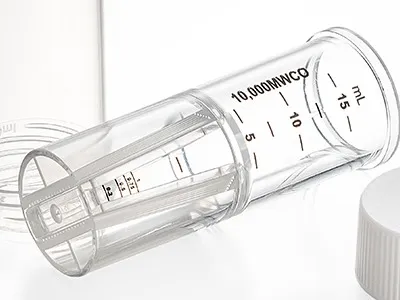
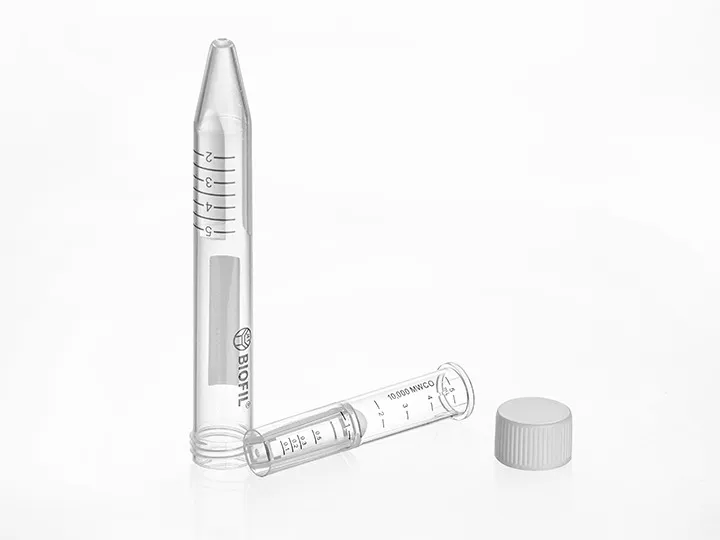
A 50mL centrifuge tube is a conical-bottom, disposable plastic tube designed to efficiently separate and recover larger sample volumes in laboratory centrifuges. These tubes are fundamental for a wide range of scientific procedures, ensuring precise separation of components based on density, which is critical for accurate results.
Quick Reference: 50mL Centrifuge Tube Market & Key Facts (2025)
| Metric | 2025 Projection | Growth Rate (CAGR) | Key Attribute |
| Global Centrifuge Tube Market Size | $1.91 Billion (overall centrifuge tubes) | 4.56% (2025-2034) | Driven by biotech & pharma growth |
| 50mL Capacity Market Share | Key segment of $2.5 Billion Capacity Market (by 2032) | Significant & Growing | Essential for larger sample volumes |
| Dominant Material | Polypropylene (PP) | High Demand | Chemical resistance, durability |
| Max RCF Rating (Typical) | Up to 16,000 x g (some up to 20,000 x g) | High Performance | Supports high-speed separation |
| Shelf Life (Sterile) | 3-5 years | Long-lasting sterility | Maintains integrity for critical applications |
Source: Market Research Future (MRFR) 2025, Data Insights Market 2025, and industry data.
What makes the 50mL centrifuge tube indispensable for modern laboratories?
The 50mL centrifuge tube is indispensable for modern laboratories because its generous volume capacity and conical design allow for efficient processing of larger samples, making it ideal for cell culture, large-scale DNA/RNA extractions, and protein purification workflows. It provides a critical balance between volume and precise pellet recovery.
Every day, scientists in labs around the world rely on these tubes. They are truly workhorses in many fields. Here’s why they are so important:
Larger Sample Volume: Unlike smaller microcentrifuge tubes, 50mL tubes can hold a significant amount of liquid. This is very useful when you need to process a bigger sample.
Efficient Separation: The cone shape at the bottom of the tube is key. When spun in a centrifuge, all the heavier parts of your sample collect neatly at the very tip. This makes it super easy to remove the liquid above (called the supernatant) without disturbing the solid part (the pellet).
Versatility: These tubes are used in so many different areas. From studying cells to finding tiny bits of DNA, the 50mL tube is a go-to tool.
Improved Efficiency: By handling larger volumes at once, labs can save time and effort. This helps experiments move faster.
The overall centrifuge tube market is growing steadily, with a strong demand for 50mL sizes. This shows just how essential they are for ongoing research and clinical work.
What are the primary applications of 50mL centrifuge tubes in scientific research?
50mL centrifuge tubes are primarily used in scientific research for applications such as cell harvesting, preparing cell suspensions, large-scale DNA/RNA extractions, protein purification, and separating blood components. Their capacity and design make them ideal for these high-volume or critical separation tasks.
These tubes are widely adopted across many scientific disciplines. They are a staple in research.
Here are some common ways they are used:
Cell Culture: When scientists grow cells, they often need to separate the cells from the liquid they grow in. 50mL tubes are perfect for spinning down a lot of cells. They make it easy to collect a concentrated “pellet” of cells at the bottom.
Molecular Biology: For extracting DNA, RNA, or proteins from many cells or tissues, 50mL tubes are very useful. They can handle the larger initial sample volumes needed.
Clinical Diagnostics: In medical labs, these tubes are often used to separate different parts of blood, like plasma or serum, from blood cells. This is important for many diagnostic tests.
Protein Purification: When trying to get a pure protein, scientists often need to remove unwanted parts. 50mL tubes help spin out impurities or collect the desired protein.
Environmental Testing: Analyzing water or soil samples often requires concentrating particles. 50mL tubes are frequently used for this purpose.
What materials and key features should you look for in a high-quality 50mL centrifuge tube?
High-quality 50mL centrifuge tubes are typically made from virgin polypropylene (PP) due to its excellent chemical resistance, durability, and wide temperature range. Key features include clear, easy-to-read graduations, a secure, leak-proof screw cap, a large frosted writing area, and often, sterility and certified purity.
The material and design of your centrifuge tube matter a lot. They affect how well the tube performs and how safe your samples are.
Here are the important things to look for:
Material:
Polypropylene (PP): This is the most common and best material. PP tubes are strong, resist many chemicals, and can handle a wide range of temperatures (from very cold, like -80°C, to very hot, like +121°C for autoclaving). They also resist breaking even at high spin speeds.
Polystyrene (PS): Sometimes used, PS offers better clarity, but it’s more brittle and has lower chemical resistance. It’s also generally not autoclavable.
Cap Type:
Screw Caps: These are the standard for 50mL tubes. They provide a tight, leak-proof seal, which is crucial for safety and preventing sample loss, especially during high-speed spinning. Some caps have advanced designs to prevent cross-threading.
Graduations and Writing Area:
Clear Markings: Look for tubes with clear, precise volume lines. This helps you measure your samples accurately.
Frosted Writing Area: A large, rough patch on the tube makes it easy to write sample information clearly with a marker.
Sterility:
Sterile vs. Non-Sterile: Many applications, like cell culture, need pre-sterilized tubes. These are usually sterilized by gamma irradiation.
Purity Certifications:
RNase/DNase-Free: Important for molecular biology work (DNA/RNA).
Pyrogen-Free: Essential for cell culture and many biomedical applications.
Non-Cytotoxic: Means the tube material won’t harm cells.
What quality standards and certifications are crucial for 50mL centrifuge tubes?
Crucial quality standards and certifications for 50mL centrifuge tubes include ISO 9001 and ISO 13485 for quality management, USP Class VI for material biocompatibility, and validated sterility (often SAL 10−6) and purity certifications like RNase/DNase-free. These standards ensure reliable, consistent performance and safety.
When you buy lab supplies, you want to be sure they are of high quality. Certifications are like badges that tell you a product meets certain important rules.
Here’s what to look for:
ISO 9001: This is a general quality management standard. It shows that the manufacturer has good processes in place to ensure consistent quality.
ISO 13485: This is specifically for medical devices. Since many lab consumables, including centrifuge tubes, are used in medical or diagnostic settings, this certification is very important. It means the manufacturer meets strict requirements for safety and performance.
USP Class VI: This is a United States Pharmacopeia standard. It means the plastic material has been tested and shown to be safe for use with biological materials. It won’t leach harmful substances into your samples.
Sterility Assurance Level (SAL): For sterile tubes, you’ll often see “SAL 10−6.” This means there’s less than a one-in-a-million chance that a single tube is not sterile. Sterilization is typically done using gamma irradiation.
RNase/DNase-Free: This certification is vital for molecular biology. It guarantees that the tubes do not contain enzymes that can break down DNA or RNA.
Non-Pyrogenic/Endotoxin-Free: Pyrogens can cause reactions in living cells or organisms. This certification is crucial for cell culture and many biomedical applications.
Max RCF (Relative Centrifugal Force) Rating: This isn’t a “certification” but a critical specification. It tells you the maximum speed (force) the tube can withstand in a centrifuge without breaking. High-quality 50mL tubes often have ratings up to 16,000 x g, and some even higher.
How do 50mL centrifuge tubes compare to other common sizes like 15mL tubes?
50mL centrifuge tubes handle significantly larger sample volumes than 15mL tubes, making them suitable for bulk processing in cell culture or protein work, while 15mL tubes are preferred for routine molecular biology or smaller sample volumes where space or material conservation is critical.
The choice between a 15mL and a 50mL tube really depends on your experiment. Both are very useful, but they serve different purposes.
Here’s a simple comparison:
| Feature | 50mL Centrifuge Tube | 15mL Centrifuge Tube |
| Volume Capacity | Larger (up to 50 mL) | Smaller (up to 15 mL) |
| Primary Use | Processing larger batches, cell pelleting, large extractions | Routine lab tasks, smaller sample volumes, DNA/RNA prep |
| Footprint | Takes up more space in centrifuge rotors and storage | Takes up less space |
| Cost Per Tube | Generally higher per tube | Generally lower per tube |
| Sample Recovery | Excellent, due to conical bottom | Excellent, due to conical bottom |
In essence, if you have a lot of liquid or many cells to process, the 50mL tube saves you time by letting you do it all at once. If you’re working with very precious, tiny samples, or need to save space, the 15mL tube is often a better choice.
What are the best practices for safely using and storing 50mL centrifuge tubes?
Best practices for safely using 50mL centrifuge tubes include always balancing them accurately in the rotor, avoiding overfilling, never exceeding the tube’s maximum RCF rating, inspecting for damage before use, and storing them in a cool, dry place away from direct sunlight.
Using centrifuge tubes correctly is vital for both your experiment’s success and your safety.
Here are some key tips:
Balance is Key: Always make sure your tubes are balanced in the centrifuge rotor. This means if you put a tube on one side, you need another tube with the exact same weight (liquid + tube) directly opposite it. Even a small weight difference can cause problems and even damage the centrifuge. Aim for a balance within 0.1g.
Don’t Overfill: Never fill a tube past its maximum indicated volume. Overfilling can lead to leaks or even tube breakage during spinning.
Respect RCF Ratings: Each tube has a “Max RCF” (Relative Centrifugal Force) rating. This tells you the highest speed it can safely be spun. Never go over this limit. Spinning too fast can cause the tube to crack or explode.
Inspect Before Use: Quickly check each tube for cracks, scratches, or manufacturing defects before you use it. Even small flaws can lead to failure.
Cap Properly: Ensure the screw cap is tightened securely but not overtightened. An overtightened cap can strip the threads or cause the tube to crack. A loose cap can lead to leaks.
Proper Storage: Keep your tubes in their original packaging until you’re ready to use them. Store them in a cool, dry place, away from direct sunlight or extreme temperatures. This helps maintain their sterility and physical integrity.
People Also Ask: Common Questions About 50mL Centrifuge Tubes
Q1: Can 50mL centrifuge tubes be reused, or are they single-use only?
Most 50mL centrifuge tubes, especially those made of plastic, are designed for single-use only to prevent cross-contamination and ensure experimental integrity. While some non-sterile plastic tubes might technically be reusable after thorough cleaning and sterilization, it’s generally not recommended for critical applications due to potential contamination risks, compromised structural integrity after initial use, and potential impact on accuracy.
Q2: What is the typical shelf life of 50mL centrifuge tubes?
Sterile 50mL centrifuge tubes typically have a shelf life of 3 to 5 years from the manufacturing date, provided they are stored properly in their original, sealed packaging in a cool, dry place away from direct sunlight. Always check the expiration date printed on the packaging to ensure sterility and material integrity.
Q3: Are all 50mL centrifuge tubes sterile, or are non-sterile options available?
No, not all 50mL centrifuge tubes are sterile; both sterile and non-sterile options are widely available to meet different laboratory needs and budget considerations. Sterile tubes are typically gamma-irradiated and individually packaged or racked for sensitive applications like cell culture, while non-sterile tubes are more economical for general lab use where sterility is not critical.
Q4: Can 50mL centrifuge tubes be autoclaved for sterilization?
Most 50mL centrifuge tubes made from polypropylene (PP) can be autoclaved at 121°C (250°F) and 15 psi for 20 minutes to achieve sterilization, but tubes made from polystyrene (PS) or other materials are generally not autoclavable. Always verify the manufacturer’s specifications for autoclavability to avoid damaging the tubes or compromising their performance.
Q5: How do I choose the right cap style for my 50mL centrifuge tube?
Choosing the right cap style for your 50mL centrifuge tube depends on your specific application; screw caps are standard for their leak-proof seal, with options like flat-top for easy writing or advanced designs (e.g., CentriStar) for ergonomic handling and secure sealing. Consider if you need a “plug seal” for maximum security or a cap that’s easy to open quickly.
Q6: What does the RCF rating on a 50mL centrifuge tube mean?
The RCF (Relative Centrifugal Force) rating on a 50mL centrifuge tube indicates the maximum gravitational force (measured in ‘x g’) the tube can safely withstand during centrifugation without structural failure. It’s crucial to match the tube’s RCF rating with your centrifuge’s capabilities to prevent tube breakage and ensure safety.
Conclusion: Empowering Your Lab with the Right 50mL Centrifuge Tubes
The 50mL centrifuge tube remains a cornerstone of modern laboratory work. Its ability to efficiently process larger samples makes it indispensable for applications from cell culture to molecular biology. As the global centrifuge tube market continues its robust growth, projected to reach $1.91 billion in 2025, the demand for high-quality, reliable 50mL tubes is stronger than ever.
Choosing the right 50mL centrifuge tube means paying attention to material, cap type, sterility, and critical certifications. By prioritizing quality and understanding proper usage and storage, you ensure the accuracy and safety of your valuable samples. This smart selection directly supports the success of your research and clinical endeavors.
For premium 50mL centrifuge tubes and a wide range of laboratory solutions that meet the highest standards, explore OBO Biology Tech at https://obobio.com. We are committed to providing reliable consumables that empower your scientific discoveries.
Buyer Quick Reference for 50mL Centrifuge Tube: Your Selection Guide for Laboratory Success in
For B2B buyers, 50mL Centrifuge Tube: Your Selection Guide for Laboratory Success in should be evaluated by application fit, material, sterility, packaging, documentation, reorder stability, and supplier communication. The best choice is the product that protects lab workflow reliability while remaining practical for repeated purchasing.
| Buying Factor | What to Check | Why It Matters |
|---|---|---|
| Application fit | Match the product to research, diagnostic, hospital, biotech, food testing, or distributor use. | Prevents overbuying, under-specifying, or selecting a format that does not fit the workflow. |
| Material and design | Confirm resin, surface, cap, seal, size, compatibility, and handling details. | Small specification differences can affect accuracy, contamination control, or user acceptance. |
| Sterility and cleanliness | Check sterile, non-sterile, DNase/RNase-free, non-pyrogenic, or gamma-irradiated options where relevant. | Cleanliness requirements vary widely between routine teaching labs and sensitive molecular or cell culture work. |
| Packaging | Review bagged, racked, individually wrapped, bulk carton, and OEM/private label options. | Packaging affects workflow speed, storage space, shipping cost, and distributor resale. |
| Supplier support | Ask for samples, product codes, carton details, lead time, MOQ, and repeat-order consistency. | Reliable supply is essential for labs that cannot pause work because a consumable is out of stock. |
How This Product Fits OBObio Lab Consumables Sourcing
OBObio positions this topic within a broader laboratory consumables sourcing plan, including centrifuge tubes, microcentrifuge tubes, cryogenic vials, sample storage tubes, and tube racks. Buyers can use one supplier conversation to compare related products, packaging formats, and sample options.
For laboratories, this reduces the risk of mismatched supplies. For distributors, it helps build a more complete catalog with consistent documentation and packaging. For first-time buyers, the practical path is to request samples, test the product in the real workflow, and then confirm carton quantity, lead time, and repeat-order pricing.
When sending an inquiry, include the application, expected quantity, destination country, sterile requirement, packaging preference, and any certification or documentation needs. Clear requirements help OBObio recommend the right product faster instead of giving a generic quote.
Supplier Evaluation Checklist
- Does the supplier understand the real laboratory application, not only the product name?
- Can the supplier provide samples before a bulk order?
- Are product specifications, carton quantity, MOQ, and lead time clear?
- Can the supplier support related consumables for one-stop procurement?
- Is OEM or private label packaging available for distributors?
- Can the same specification be supplied consistently for repeat orders?
FAQ: 50mL Centrifuge Tube: Your Selection Guide for Laboratory Success in
What should buyers check first?
Buyers should first define the application, required specification, sterility level, packaging format, and expected order quantity. These details determine whether a standard item is enough or whether a more specific supply option is needed.
Is the lowest price always the best option?
No. For laboratory consumables, product failure, contamination, leakage, poor fit, or unstable supply can cost more than a small unit-price difference. Buyers should balance price with consistency, documentation, and supplier responsiveness.
Can distributors request OEM packaging?
Yes. Many distributors need private label cartons, product labels, and stable carton specifications. MOQ, artwork, label language, and lead time should be confirmed before placing the first bulk order.
Why work with a broader
A broader supplier can help buyers coordinate related products, reduce communication work, consolidate shipments, and build a more reliable procurement plan for routine lab operations.
Request Pricing or Samples
Tell us the product type, quantity, destination country, and any packaging or certification requirements. OBObio will reply with suitable lab consumables options.