
Home / Blog / What Specifications Matter When Buying Sterile Pipette Tips?
When buying sterile pipette tips, buyers should confirm volume range, pipette compatibility, filter or non-filter design, sterility method, DNase/RNase-free claims, low-retention needs, packaging format, rack quality, and supplier documentation. These details affect contamination control, liquid handling accuracy, and repeat-order reliability.
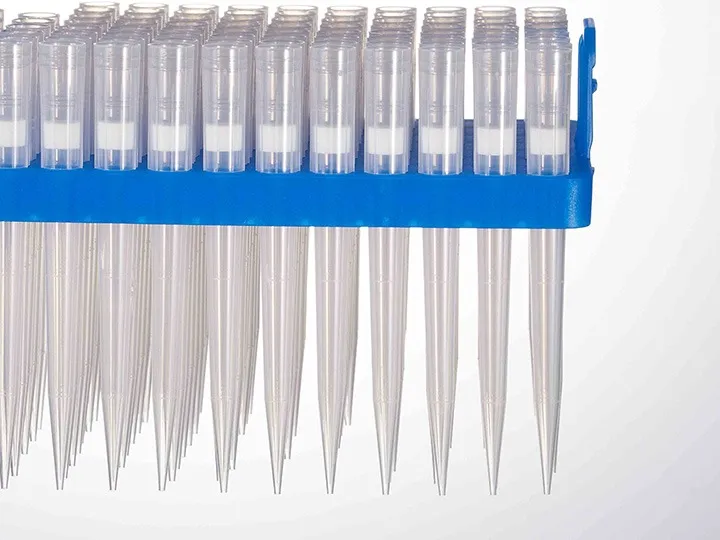
Quick Reference: Sterile Pipette Tip Buying Specifications
| Specification | Buyer Question | Why It Matters |
|---|---|---|
| Volume range | 10ul, 200ul, 1000ul, or extended length? | Wrong volume range can reduce accuracy and user confidence. |
| Compatibility | Universal or matched to specific pipette brands? | Fit affects sealing, aspiration, dispensing, and ejection. |
| Filter | Filtered or non-filtered tips? | Filtered tips help protect pipettes and samples in PCR/qPCR and aerosol-risk work. |
| Sterility | Gamma irradiated, EO, or other validated process? | Sterility claims should be clear and supported by supplier documentation. |
| Cleanliness | DNase/RNase-free, pyrogen-free, human DNA-free? | Molecular workflows may require stricter cleanliness claims. |
| Packaging | Racked, reload, bulk, or individual pack? | Packaging affects workflow speed, cost, and contamination risk. |
Article Map
- How to define the correct pipette tip specification
- When sterile and filtered tips are necessary
- How to evaluate compatibility and rack quality
- What documents buyers should request
- How distributors should quote sterile pipette tips
Which Volume And Tip Format Should Buyers Confirm First?
Buyers should first confirm the required volume range, tip length, pipette model, and sample type. These choices decide whether a standard 10ul, 200ul, 1000ul, extended-length, low-retention, or filter tip is the correct purchase direction.
Pipette tips are small, but the specification is not simple. A quotation that only says “pipette tips” is not enough for laboratory procurement. A molecular biology lab, diagnostic lab, teaching lab, and industrial QC lab may all use tips daily, but the correct volume, sterility level, and packaging format can be different.
Start by listing the pipettes used in the lab. Confirm whether the lab needs standard universal tips or tips tested with certain pipette brands. Then define the liquid type, volume range, and contamination sensitivity. This prevents buyers from ordering a cheaper tip that fits loosely, ejects poorly, or causes user complaints.
When Are Sterile Pipette Tips Necessary?
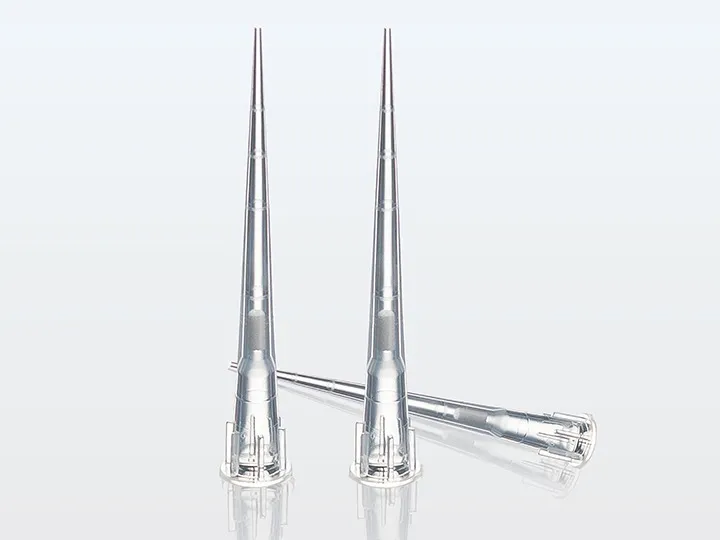
Sterile pipette tips are necessary when the workflow requires contamination control, such as PCR, qPCR, cell culture, diagnostic sample handling, microbiology, clinical lab work, and sensitive reagent preparation. Buyers should match sterility claims to the actual application instead of using sterile tips only as a generic label.
Sterile tips are often chosen for sensitive work because contamination can invalidate results, waste reagents, or create repeat testing costs. However, sterility is only one part of cleanliness. A tip can be sterile but not necessarily certified DNase/RNase-free unless the supplier specifically supports that claim.
Buyers should ask how the tips are sterilized and how the packaging protects the product after sterilization. For example, racked sterile tips should arrive with intact racks, clean closures, and carton packaging that protects against crushing during transport.
Should Buyers Choose Filtered Or Non-Filtered Tips?
Filtered tips are preferred for aerosol-risk, PCR/qPCR, infectious sample, volatile liquid, and high-sensitivity workflows. Non-filtered sterile tips may be suitable for routine clean work where aerosol carryover risk is lower and cost control is more important.
The filter barrier helps reduce the chance that aerosols or liquid reach the pipette shaft. This is especially important when labs work with amplified nucleic acids, clinical samples, or materials where cross-contamination would be expensive. For routine non-critical liquid transfer, non-filtered sterile tips may still be acceptable.
| Use Case | Recommended Tip | Buyer Note |
|---|---|---|
| PCR/qPCR setup | Sterile filtered low-retention tips | Helps reduce aerosol contamination and reagent loss. |
| Cell culture media transfer | Sterile filtered or sterile non-filtered tips | Choose based on contamination policy and lab SOP. |
| Teaching lab routine work | Non-filtered or bulk tips when acceptable | Cost may matter more if sterility is not required. |
| Diagnostic sample handling | Sterile filtered tips | Often preferred for sample protection and pipette protection. |
| Reagent dispensing | Low-retention tips when liquid loss matters | Useful for viscous, expensive, or low-volume reagents. |
OBObio supplies disposable micropipette tips for different laboratory workflows, including buyer discussions around volume range, packaging, and repeat supply.
How Should Buyers Check Pipette Compatibility?
Buyers should test compatibility by checking seal tightness, aspiration stability, dispensing consistency, tip ejection, and user comfort on the actual pipette models used in the lab. Universal tips should still be sample-tested before bulk orders.
Universal does not always mean perfect. A tip may physically attach to many pipettes but still create problems if the seal is weak, the fit is too tight, or ejection requires too much force. These issues slow down repetitive work and may affect confidence in liquid handling.
Before a bulk purchase, buyers should request samples and test them with the most common pipettes in the lab. Ask several users to test normal aspiration and dispensing. If the lab uses multichannel pipettes, test whether the tips align well across the full row.
What Cleanliness Claims Should Buyers Review?
Buyers should review DNase/RNase-free, pyrogen-free, PCR inhibitor-free, and human DNA-free claims only when those claims are relevant to the workflow. The supplier should provide clear documentation instead of relying on vague “high purity” descriptions.
Molecular labs often care about DNase/RNase-free claims because enzyme contamination can damage nucleic acid samples. Cell culture labs may care about sterility and pyrogen control. Diagnostic labs may need stronger batch traceability and document retention.
| Claim | Relevant Workflow | Question To Ask |
|---|---|---|
| DNase/RNase-free | PCR, qPCR, RNA work, molecular biology | Is the claim tested or supplier-declared? |
| Sterile | Cell culture, diagnostics, microbiology | What sterilization method and packaging are used? |
| Low retention | Low-volume, viscous, expensive reagents | Is the surface treatment consistent across batches? |
| Pyrogen-free | Sensitive biological workflows | Is supporting documentation available? |
How Do Packaging Formats Affect Purchasing?
Packaging affects contamination control, bench speed, storage space, and cost. Racked tips are convenient and cleaner for sensitive workflows, reload systems can reduce plastic waste, and bulk tips are economical when sterility and clean handling requirements are lower.
Racked sterile tips cost more than bulk tips, but they can save time and reduce handling risk. A busy diagnostic lab may prefer racks because technicians can work faster. A teaching lab may choose bulk tips for cost control if the work does not require sterile handling.
Distributors should confirm rack quality, hinge strength, lid fit, color coding, box labeling, and carton quantity. If racks arrive cracked or lids open during transport, customer complaints can be immediate even if the tips themselves are usable.
What Should Distributors Include In A Sterile Pipette Tip RFQ?
A sterile pipette tip RFQ should include volume, filter requirement, sterility, low-retention need, packaging format, quantity, destination country, compatible pipette models, document requirements, and whether OEM packaging is needed. Specific RFQs produce more accurate quotations.
Distributors often quote tips to customers with different technical expectations. A hospital lab may ask for sterile filtered tips, while an education customer may focus on price and quantity. If the distributor does not define the specification clearly, suppliers may quote different product levels and the price comparison becomes misleading.
For broader sourcing support, buyers can connect sterile tip purchasing with China lab consumables supplier evaluation and one-stop purchasing of tubes, gloves, plates, and other plasticware.
Buyer Scenario: A qPCR Lab Needs Reliable Sterile Filter Tips
A qPCR lab should prioritize sterile filtered low-retention tips with confirmed pipette compatibility and relevant cleanliness documentation. The buyer should test samples with actual pipettes before bulk ordering because poor fit or inconsistent retention can disrupt sensitive assays.
Consider a qPCR lab that prepares many low-volume reactions each week. The lab handles expensive reagents and wants to minimize carryover risk. In this case, the buyer should not choose a general-purpose non-filtered tip only because it is cheaper. The correct purchase should focus on filtered sterile tips, clean packaging, stable rack quality, and consistent fit.
The buyer should also check storage and carton integrity. If racks are cracked, dusty, or poorly sealed, the product may fail user acceptance even before testing begins.
FAQ: Buying Sterile Pipette Tips
Are sterile pipette tips always filtered?
No. Sterile tips can be filtered or non-filtered. Buyers must specify both sterility and filter requirement when requesting quotations.
Do all labs need DNase/RNase-free tips?
No. DNase/RNase-free tips are important for molecular biology and nucleic acid work, but routine teaching or general liquid transfer may not require that claim.
Are universal pipette tips compatible with every pipette?
Not always. Universal tips may fit many brands, but buyers should test seal, ejection, and dispensing performance on their actual pipettes.
Should distributors stock racked or bulk tips?
Many distributors stock both. Racked sterile tips serve sensitive and high-speed workflows, while bulk tips can serve cost-sensitive routine users.
Can OBObio support OEM packaging for pipette tips?
OBObio can discuss packaging formats, carton details, label requirements, sample approval, and repeat-order support for distributor programs.
SEO Summary
Sterile pipette tip buyers should check volume range, compatibility, filter design, sterility, DNase/RNase-free claims, low-retention needs, packaging, rack quality, and supplier documents before bulk ordering for PCR, diagnostics, or routine lab use.
Request Sterile Pipette Tip Samples Or Pricing
Send OBObio your required volume, filter preference, packaging format, quantity, destination country, compatible pipette models, and documentation needs. OBObio can help compare sterile pipette tip options for labs and distributors.
Request Pricing or Samples
Tell us the product type, quantity, destination country, and any packaging or certification requirements. OBObio will reply with suitable lab consumables options.