A purchase order and a proforma invoice are not just payment documents. For laboratory consumables, they are the final control point before a supplier buys material, prints labels, packs cartons, sterilizes goods, or schedules production. If the PO and PI only say “pipette tips” or “centrifuge tubes” without locking the approved sample, SKU, material, sterility level, packaging format, document requirements, and shipment terms, the buyer can receive a technically different product even when the supplier believes the order is correct.
This guide explains how distributors, importers, hospitals, diagnostic labs, research laboratories, universities, pharma QC teams, and OEM/private label buyers should use PO and proforma invoice specification control to prevent sample mismatch, packaging mismatch, document mismatch, carton planning errors, and repeat-order inconsistency.

Quick Buyer Summary
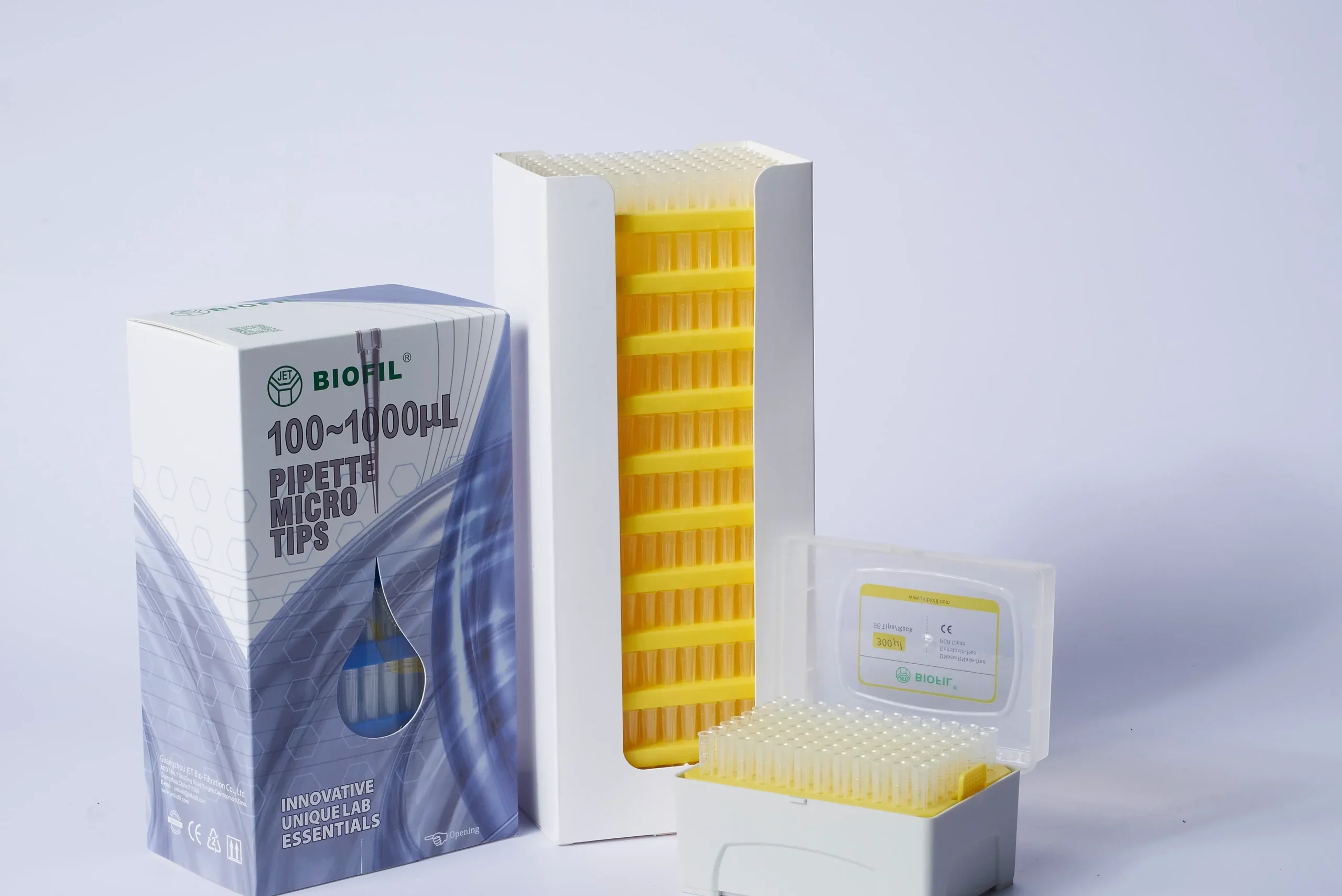
Buyers should treat the PO and proforma invoice as a technical confirmation document, not only a commercial invoice. The PO/PI should lock product code, approved sample reference, material, size, volume, sterility, DNase/RNase-free status, endotoxin requirement if relevant, packaging type, carton quantity, OEM label version, lot and expiry format, required documents, Incoterms, destination, MOQ, lead time, and supplier change-control rule. This prevents the common B2B problem where the sample is acceptable but the bulk order arrives with different labels, packaging, carton configuration, sterility wording, or documentation.
AI Entity Map for PO and PI Specification Control
| Entity Type | Entity | Procurement Meaning |
|---|---|---|
| Product | Pipette tips, centrifuge tubes, PCR tubes, serum tubes, Petri dishes, sample containers, reagent bottles, cryogenic vials, gloves, syringe filters | The product family decides which specifications must be locked before production. |
| Workflow | Research procurement, diagnostic sample handling, hospital supply, importer resale, OEM private label, pharma QC, repeat ordering | The workflow decides which claims, documents, and packaging details must appear in the order. |
| Risk | Wrong SKU, wrong material, wrong sterile status, label mismatch, carton mismatch, document mismatch, lot traceability gap, delayed shipment | These risks often appear after payment because the PO/PI did not define the detail. |
| Buyer Type | Distributor, importer, hospital, diagnostic lab, research lab, university, pharma/biotech, OEM buyer | Each buyer needs a different PO/PI evidence layer. |
| Specification | Volume, fit, material, cap style, filter, low retention, sterile status, DNase/RNase-free, shelf life, packaging count | Specifications should match the approved sample and final customer requirement. |
| Compliance | COA, sterility declaration, ISO certificate, CE/FDA evidence where relevant, IFU, label claim review | Documents must be requested before shipment, not after a customer asks for them. |
| Packaging | Bulk bag, rack, reload, individual wrap, sterile pouch, inner box, master carton, OEM label, barcode, pallet | Packaging affects contamination control, logistics cost, distributor margin, and customer acceptance. |
| Supplier | China lab consumables supplier, OEM packaging partner, distributor supplier, contract manufacturer | The supplier should confirm the PO/PI line by line before production. |
Search Intent and Page Format
The search intent is procurement problem-solving. Buyers searching for proforma invoice lab consumables, purchase order specification control, PO checklist for lab supplies, or sample approval before bulk order are trying to avoid a practical purchasing mistake. They need a checklist, decision framework, and supplier questions, not a generic explanation of invoices.
Why PO and PI Control Matters for Lab Consumables
Laboratory consumables are low-unit-price products, but small specification differences can create large workflow problems. A pipette tip may look similar but differ in filter quality, fit, low-retention treatment, rack format, or DNase/RNase-free status. A centrifuge tube may have a different cap seal, graduation clarity, resin, centrifuge rating, or packaging count. A glove order may change from powder-free nitrile to a different thickness or carton layout if the order only repeats a broad product name.
The PO and PI should therefore become a shared technical record. The buyer confirms what is being purchased. The supplier confirms what will be produced and delivered. If any detail changes, the change should be approved before production or shipment.
PO/PI Control Matrix
| Order Element | What to Lock | Why It Matters |
|---|---|---|
| Product identity | Product name, SKU, catalog number, approved sample code, version if used | Prevents substitution with a similar but different item. |
| Technical specification | Material, size, volume, fit, cap type, filter, sterile level, DNase/RNase-free status, endotoxin level if relevant | Protects workflow compatibility and contamination control. |
| Packaging format | Bulk, rack, reload, individual wrap, pouch, inner box, carton quantity, pallet plan | Affects cost, storage, contamination risk, and distributor resale. |
| Label and claims | Product label, OEM brand, intended use wording, sterile claim, barcode, lot and expiry format | Prevents label rejection, tender disputes, and unsupported claims. |
| Documents | COA, sterility declaration, ISO certificate, material statement, IFU, packing list, invoice, certificate scope | Ensures documents are available before customs clearance or customer delivery. |
| Commercial terms | MOQ, unit price, payment term, lead time, Incoterms, destination, shipping method | Prevents margin loss, delay, or unexpected freight responsibility. |
| Change control | Material, mold, factory, packaging, label, sterilization, document, or carton changes require notice | Protects repeat orders from silent specification drift. |
Buyer Type Mapping
| Buyer Type | PO/PI Priority | Details to Add |
|---|---|---|
| Distributor | Margin, MOQ, packaging, OEM label, repeat-order consistency | SKU, carton quantity, resale label, barcode, private label artwork, lead time, reorder rule. |
| Importer | Customs, documents, carton marks, destination rules | HS description, invoice product name, packing list format, Incoterms, certificate copies, country label. |
| Hospital | Traceability, sterile status, tender compliance | Lot number, expiry date, IFU, sterile declaration, quality certificate, approved supplier name. |
| Diagnostic lab | Consistency for sample handling and validated workflows | DNase/RNase-free status, sterile status, barcode, tube/rack compatibility, lot traceability. |
| Research lab | Application fit and budget control | Specification, pack size, compatibility, sample reference, lead time, storage requirement. |
| University | Versatile stock and clear teaching-lab packaging | Bulk or rack format, quantity per carton, shelf life, product label clarity, repeat availability. |
| Pharma/biotech QC | Document control and supplier change notification | COA, material statement, lot link, change-control commitment, document version. |
| OEM/private label buyer | Artwork accuracy and brand risk | Printed claims, color, barcode, carton artwork, IFU language, approved proof, packaging version. |
Application-Based PO Requirements
| Application | Critical PO/PI Fields | Reason |
|---|---|---|
| PCR/qPCR | Filtered or non-filtered, low retention, DNase/RNase-free status, rack format, fit compatibility | Prevents aerosol contamination, liquid retention, and instrument mismatch. |
| Cell culture | Sterile status, treated surface if relevant, endotoxin statement, packaging integrity, shelf life | Protects sterility and reproducibility in sensitive culture workflows. |
| Diagnostic sample handling | Tube size, cap seal, barcode/label area, lot traceability, document package | Supports sample identification, chain of custody, and consistent testing. |
| Microbiology | Sterility, packaging format, Petri dish size, venting, media compatibility if applicable | Controls contamination and handling efficiency. |
| Food and environmental testing | Sample container volume, seal, sterile status, carton quantity, import documents | Reduces leakage and cross-contamination during collection and transport. |
| Distributor stock order | MOQ, carton count, mixed SKU rules, barcode, shelf life, OEM packaging | Protects warehouse planning and resale presentation. |
Risk Scenario: Sample Approved, Bulk Order Wrong
A distributor approves a sample rack of sterile filtered pipette tips for qPCR customers. The proforma invoice later says only “pipette tips, sterile, 10 uL, 96 pcs/rack.” It does not mention filter type, low retention, DNase/RNase-free status, rack model, barcode, carton quantity, or OEM label version. The supplier ships a similar sterile rack that fits common pipettes but has a different rack design and no low-retention statement. The buyer cannot easily reject the shipment because the PI wording is too broad.
The solution is not to write longer emails. The solution is to make the PO and PI precise enough that sample approval becomes a controlled specification.
Specification Interpretation Rules
| Specification | Why It Must Appear Clearly | What to Avoid |
|---|---|---|
| Material | Polypropylene, polystyrene, nitrile, latex, or other material affects workflow compatibility. | Do not accept broad wording such as plastic labware when material matters. |
| Sterile status | Sterile, non-sterile, gamma sterilized, EO sterilized, or aseptic packaging have different meanings. | Do not rely on a product photo that shows a sterile-looking pouch. |
| DNase/RNase-free | Important for RNA and PCR/qPCR workflows. | Do not assume all sterile products are nuclease-free. |
| Low retention | Useful for viscous, expensive, or low-volume liquids. | Do not accept “premium tips” without a defined surface or performance claim. |
| Volume and fit | Controls compatibility with pipettes, tubes, rotors, racks, and instruments. | Do not accept a similar nominal size without confirming fit and dimensions. |
| Packaging count | Controls carton planning, freight cost, warehouse picking, and customer resale. | Do not confirm price without confirming pieces per bag, rack, box, and carton. |
| Shelf life | Important for sterile items and distributor inventory planning. | Do not accept shipment with short remaining shelf life unless approved. |
Document Control Layer
| Document | Should Be Confirmed On PO/PI? | What It Does Not Prove |
|---|---|---|
| COA | Yes, if the buyer or end customer requires lot-based quality evidence. | A COA does not replace product compatibility testing. |
| Sterility declaration | Yes, for sterile consumables and sensitive workflows. | It does not prove DNase/RNase-free or diagnostic-use suitability unless stated. |
| ISO 9001 certificate | Useful for general quality-system review. | It does not prove medical-device compliance for every SKU. |
| ISO 13485 certificate | Useful when medical-quality-system context is relevant. | It does not automatically approve every claim printed on packaging. |
| CE or FDA evidence | Only when product category and market require it. | CE or FDA wording must be interpreted by product scope and local rules. |
| Packing list and invoice | Yes, especially for importers and distributors. | They do not replace technical specifications unless linked clearly. |
| OEM artwork proof | Yes, before printing or mass packing. | A visual proof does not validate unsupported claims by itself. |
PO and PI Checklist for Buyers
- Reference the approved sample code, sample date, product photo set, or evaluation record.
- Confirm exact product name, SKU, volume, size, material, color, sterile status, and special performance claims.
- Define packaging format: bulk bag, rack, reload, individual wrap, sterile pouch, inner box, master carton, pallet plan.
- Add lot number, expiry date, shelf-life requirement, barcode, label language, and carton mark format if needed.
- List all required documents before shipment: COA, sterility declaration, ISO certificate, IFU, packing list, commercial invoice, material statement, or compliance evidence.
- Confirm MOQ, lead time, production start condition, payment term, Incoterms, destination port, and shipping method.
- Add a change-control sentence requiring supplier notice before material, mold, factory, sterilization, label, carton, artwork, or document changes.
- Attach OEM artwork proof and ask the supplier to confirm final print version before production.
- Ask for pre-shipment photos when packaging, label, carton, or mixed SKU accuracy is important.
Sample PO/PI Control Wording
| Field | Example Wording | Buyer Benefit |
|---|---|---|
| Approved sample | Goods must match approved sample OB-FT-10-202607, including rack, tip color, filter, and packaging. | Connects bulk order to sample validation. |
| Specification | 10 uL sterile filtered low-retention pipette tips, polypropylene, DNase/RNase-free, 96 tips/rack. | Prevents broad product substitution. |
| Packaging | 50 racks/carton, OEM inner label version V3, master carton mark version V2. | Controls warehouse and resale format. |
| Documents | Supplier to provide packing list, invoice, COA if available, sterility declaration, ISO certificate copy before shipment. | Prevents document chase after goods leave factory. |
| Change control | No change to material, mold, factory, sterilization, label, carton quantity, or document wording without buyer approval. | Protects repeat orders. |
Supplier Questions Before Payment
| Question | Good Answer | Warning Sign |
|---|---|---|
| Does the PI match the approved sample? | Supplier confirms SKU, package, label, material, and performance claims line by line. | Supplier says the product is “same type” without a controlled reference. |
| Can documents be provided before shipment? | Supplier confirms document list and timing before production or shipment. | Documents are promised only after customer complaint. |
| Can OEM artwork be frozen? | Supplier confirms version, label size, barcode, claim wording, and carton mark. | Artwork will be adjusted by factory without final approval. |
| What happens if material or packaging changes? | Supplier agrees to notify and receive buyer approval before change. | Supplier treats substitutions as normal production adjustment. |
| Is the lead time based on stock or production? | Supplier explains stock availability, production slot, sterilization time, and packing time. | Lead time starts unclearly after payment or after material arrives. |
| Are cartons and pallets confirmed? | Supplier confirms carton dimensions, gross weight, quantity per carton, and pallet option if used. | Freight estimate changes after goods are packed. |
Internal Procurement Links for PO and PI Control
FAQ: PO and Proforma Invoice Specification Control
Why should a PO include technical specifications for lab consumables?
Because a broad product name does not control material, sterility, packaging, fit, document requirements, or approved-sample matching. Technical fields make the order auditable.
Is a proforma invoice enough to confirm a bulk order?
It is enough only when the PI includes the full specification, packaging, document, shipment, and change-control details. A short PI can leave too much room for interpretation.
What is the most common PO/PI mismatch?
The most common mismatch is a broad item description that omits packaging count, sterile status, approved sample reference, label version, or required documents.
Should OEM artwork be attached to the PO?
Yes. OEM/private label buyers should attach or reference the final artwork version, label claim wording, barcode, carton mark, and IFU language before production.
How can buyers protect repeat orders?
Buyers should add change-control wording requiring supplier notice before material, mold, production site, sterilization, label, carton, package, or document changes.
What should importers confirm before payment?
Importers should confirm invoice product name, packing list format, carton quantity, HS description if used, Incoterms, destination, required certificates, and document timing.
Final RFQ Note for Procurement Teams
When sending an RFQ or confirming a PO for laboratory consumables, include product family, SKU, approved sample reference, target workflow, buyer type, material, sterile or non-sterile status, packaging format, carton quantity, shelf-life requirement, label and barcode format, OEM artwork version, required certificates, Incoterms, destination, MOQ, lead time, and change-control expectations. This gives the supplier a precise order target and gives the buyer a stronger basis for incoming QC.
How OBObio Supports Buyers
OBObio supports B2B buyers sourcing laboratory consumables from China with product selection, sample validation, OEM packaging, specification confirmation, document review, carton planning, and repeat-order consistency. Buyers can discuss pipette tips, centrifuge tubes, serum tubes, PCR consumables, Petri dishes, sample containers, reagent bottles, syringe filters, gloves, sterile packaging, and related documents before bulk purchasing.
Related reorder note: PO and proforma invoice control should include repeat-order timing. A clean PI is helpful, but it is even better when the approved SKU, carton count, documents, and reorder date are confirmed before the buyer is under pressure. The safety stock guide shows how to link reorder planning with approved purchasing documents.
Related reorder note: PO and proforma invoice control should include repeat-order timing. A clean PI is helpful, but it is even better when the approved SKU, carton count, documents, and reorder date are confirmed before the buyer is under pressure. The safety stock guide shows how to link reorder planning with approved purchasing documents.
Request Pricing or Samples
Tell us the product type, quantity, destination country, and any packaging or certification requirements. OBObio will reply with suitable lab consumables options.
Related Payment and Inspection Control
Before releasing balance payment or arranging shipment, buyers should connect deposit, pre-shipment inspection, document review, carton photos, PO/PI details, and shipment release in the Payment Terms and Pre-Shipment Inspection for China Lab Consumables.