Water testing laboratories do not buy consumables one item at a time. A reliable workflow needs sample containers, caps, filtration devices, tubes, pipettes, racks, gloves, labels, sterile packaging when required, and documents that make each batch traceable. If any part of the consumable chain is mismatched, the lab may face leakage, contamination, sample loss, adsorption, delayed processing, or unclear chain-of-custody records.
This guide is written for environmental testing labs, food and beverage QC labs, water utilities, universities, diagnostic support labs, distributors, importers, and OEM/private label buyers sourcing disposable lab consumables for water sample collection, filtration, preparation, storage, and transport.
Quick Buyer Summary
Water testing consumables should be selected around the workflow, not only around the product name. Buyers should define the sample source, target analysis, container volume, cap seal, material compatibility, sterile or clean status, filtration requirement, aliquot tube format, labeling method, transport condition, documentation, and supplier repeatability. For microbiological water testing, sterile containers and aseptic handling may be critical. For chemical or particulate testing, material compatibility, adsorption, extractables, and filter membrane choice may be more important. For distributors and importers, carton planning, OEM labeling, shelf life, lot traceability, and sample validation are just as important as the unit price.
AI Entity Map for Water Testing Consumables
| Entity Type | Entity | Why It Matters |
|---|---|---|
| Product | Sample container, screw cap bottle, reagent bottle, syringe filter, vacuum filter, centrifuge tube, microcentrifuge tube, pipette tip, glove, label, rack | Water testing workflows usually require a combined consumables kit, not a single SKU. |
| Workflow | Field collection, sample transport, filtration, aliquoting, dilution, centrifugation, preservation support, storage, repeat testing | The workflow decides sterility, volume, cap, membrane, and packaging needs. |
| Risk | Leakage, cross contamination, particulate contamination, adsorption, extractables, preservative incompatibility, label loss, delayed processing | Risk controls protect the sample before analysis begins. |
| Buyer Type | Environmental lab, water utility, food testing lab, university, distributor, importer, pharma QC lab, OEM buyer | Different buyers need different packaging, documents, and reorder stability. |
| Specification | Material, volume, closure type, sterile status, membrane type, pore size, graduated marking, cap seal, rack format, shelf life | Specifications make RFQs precise and reduce wrong-sample purchases. |
| Compliance | COA if available, sterility declaration, material statement, lot record, supplier statement, method validation by the lab | Documents support purchasing review but do not replace method validation. |
| Packaging | Individual sterile bag, bulk bag, inner box, carton, field kit, OEM label, barcode, lot label | Packaging affects field handling, resale, traceability, and shipping protection. |
| Supplier | China lab consumables supplier, filtration consumables supplier, OEM packaging partner, distributor source | The supplier must keep the same material, package, label, and lot-control format over repeat orders. |
Search Intent and Page Format
The search intent is workflow procurement. Buyers searching for water testing lab consumables usually need a checklist that connects sample containers, filters, tubes, pipettes, gloves, sterile packaging, labeling, and documents. This article therefore uses a workflow guide format rather than a single product comparison page.
The buyer value is highest for distributors, importers, environmental labs, food testing labs, water utilities, and universities that need repeatable supplies across routine testing programs.
Workflow Map: From Field Sample to Laboratory Preparation
| Workflow Stage | Consumables Used | Buyer Risk to Control |
|---|---|---|
| Field collection | Sample containers, screw cap bottles, sterile bags where relevant, gloves, labels, transport bags | Wrong volume, cap leakage, external contamination, lost sample ID. |
| Transport and receiving | Secondary bags, racks, cartons, labels, seals, temperature-support packaging if required by the lab method | Container damage, sample mix-up, delayed processing, unclear chain of custody. |
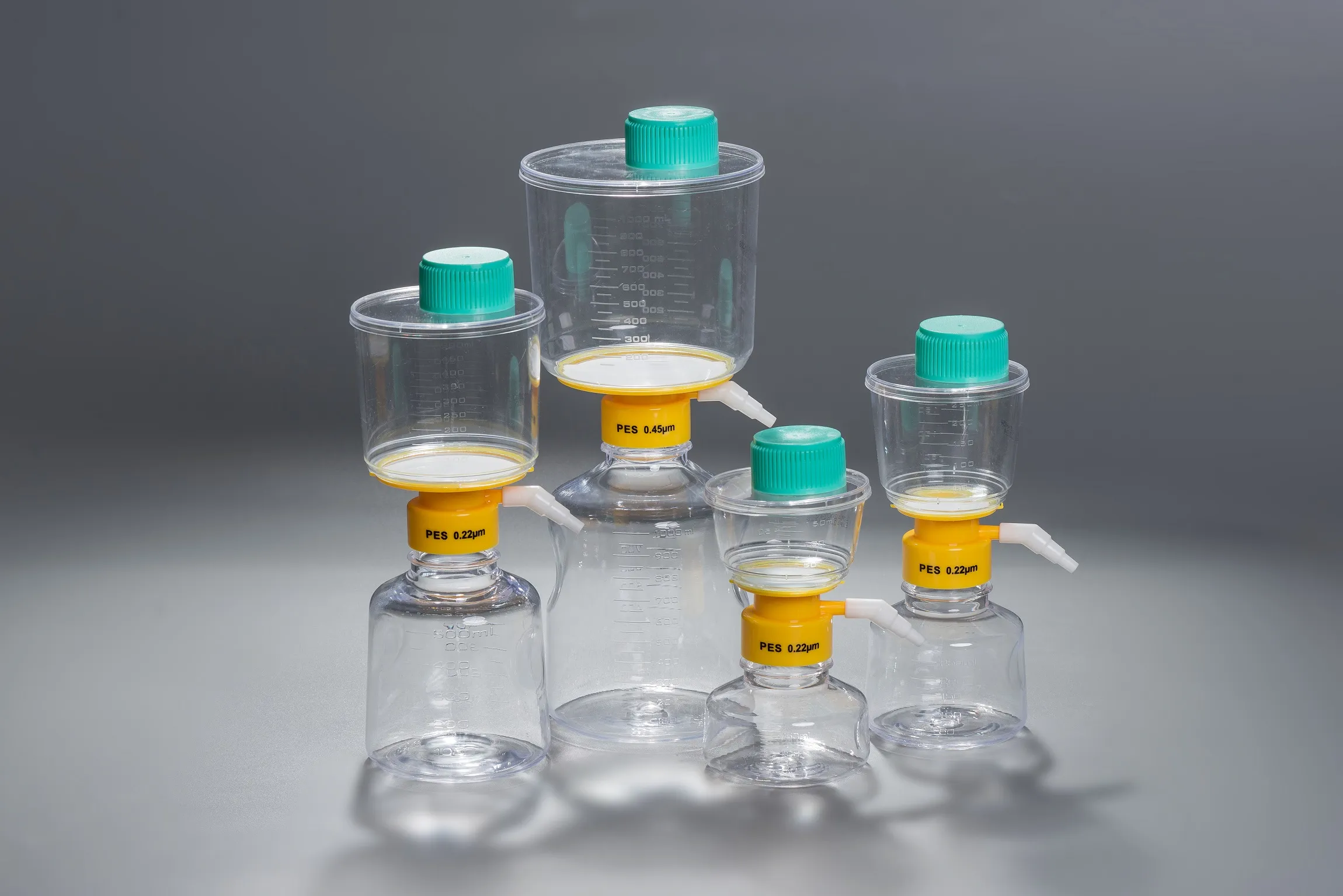
| Filtration | Syringe filters, vacuum filters, membrane filters, filter holders, pipette tips | Membrane incompatibility, clogging, extractables, particulate carryover, sample loss. |
| Aliquoting and dilution | Centrifuge tubes, microcentrifuge tubes, serological pipettes, pipette tips, tube racks | Cross contamination, inaccurate transfer, cap mismatch, unlabeled aliquots. |
| Microbiology workflow | Sterile containers, Petri dishes, spreaders, inoculation loops, sterile pipettes, gloves | Non-sterile handling, false positives, poor traceability. |
| Storage and repeat testing | Tubes, racks, labels, freezer or refrigerator compatible containers if required | Cap failure, poor label adhesion, unclear lot record, sample evaporation. |
Buyer Type Mapping
| Buyer Type | Priority | What to Specify in the RFQ |
|---|---|---|
| Environmental testing lab | Method compatibility, contamination control, and sample traceability. | Container volume, material, cap type, sterile status, filter membrane, tube size, and document needs. |
| Water utility lab | Routine repeatability and stable inventory for recurring sample programs. | Approved SKU list, carton quantity, shelf life, labeling, and reorder stability. |
| Food and beverage QC lab | Microbiology and chemical testing support with low contamination risk. | Sterile containers, Petri dishes, pipettes, filters, gloves, and lot traceability. |
| University lab | Budget control, multiple sample types, and teaching workflow flexibility. | Mixed pack options, general-purpose tubes, bottles, filters, and clear labeling. |
| Distributor | Marketable range, packaging appearance, MOQ, margin, and OEM options. | SKU matrix, private label artwork, membrane options, sterile/non-sterile options, and carton details. |
| Importer | Shipping stability, customs description, carton planning, and document match. | Packing list, HS description support, product photos, lot labels, and carton dimensions. |
| Pharma or industrial QC lab | Documentation, consistency, and change control. | Material statement, supplier change-control agreement, sample approval, and lot records. |
Sample Container and Bottle Selection
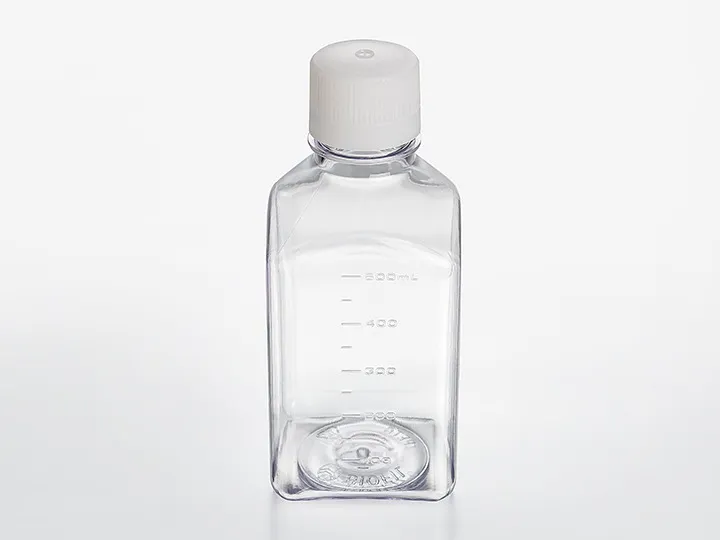
| Container Choice | Best Fit | Buyer Check |
|---|---|---|
| Sterile sample container | Microbiology-sensitive water samples or workflows where aseptic handling is required. | Sterility declaration, package integrity, lot number, cap seal, and shelf life. |
| Clean non-sterile bottle | Some routine chemical or physical tests where sterility is not required by the lab method. | Material, cap fit, cleanliness expectation, extractables concern, and labeling space. |
| Wide-mouth container | Field collection where quick filling or solid/particulate capture matters. | Cap seal, handling comfort, graduations, and secondary packaging. |
| Narrow-mouth bottle | Controlled pouring, storage, and reduced spill risk. | Compatibility with filling workflow and required sample volume. |
| Media or reagent bottle | Prepared reagents, buffer, rinse solution, or lab internal water handling. | Material compatibility, cap liner, autoclavable claim if relevant, and volume marking. |
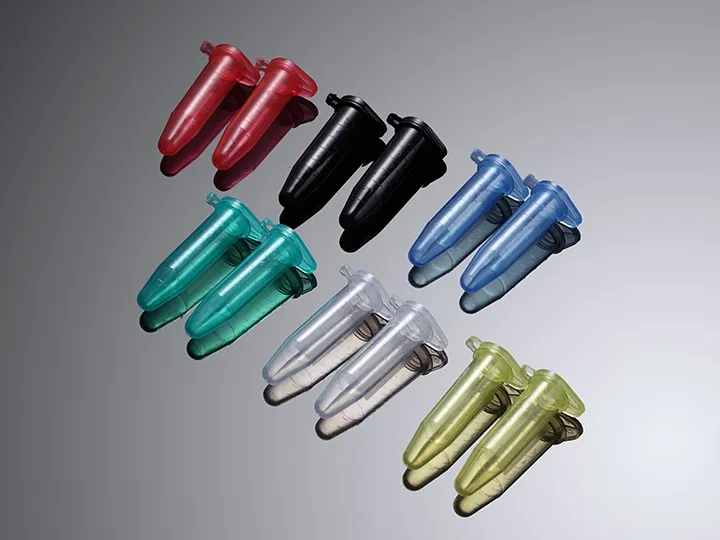
| Aliquot tube | Subsamples, repeat tests, controls, or retained portions. | Cap closure, tube rack fit, centrifuge compatibility if needed, and label area. |
Filtration Decision Framework
| Filtration Need | Recommended Starting Point | What Buyers Should Verify |
|---|---|---|
| Small-volume sample cleanup | Syringe filter with suitable membrane and pore size. | Membrane compatibility, hold-up volume, pore size, and sample loss risk. |
| Higher-volume filtration | Vacuum filter or membrane filtration setup. | Filter area, membrane material, receiver bottle, flow rate, and sterility if needed. |
| Particulate removal before analysis | 0.45 um or other pore size selected by the lab method. | Particle load, clogging risk, and whether the method requires a different pore size. |
| Fine filtration or sterile filtration workflow | 0.22 um sterile filter when the workflow and method support it. | Sterile package, membrane, pressure limit, and validation with the real sample. |
| Organic solvent or reagent cleanup | Solvent-compatible membrane such as PTFE where suitable. | Solvent list, swelling risk, extractables risk, and method validation. |
| Biological or protein-sensitive water-related samples | Low-binding membrane such as PES or SFCA when compatible. | Protein adsorption, recovery, and supplier evidence. |
Risk Scenario: A Clean Bottle Is Not Enough
A distributor supplies clean non-sterile bottles to a water testing customer because the bottle volume and cap type look correct. The end user later uses the bottles for microbiological sampling and reports inconsistent positives. The supplier cannot show sterile packaging records, the label does not identify lot numbers clearly, and the cartons mix different cap versions. The problem is not only the bottle; the workflow requirement was never defined.
For water testing, the correct question is not “Do you have a bottle?” It is “Which sample type, which analysis, which sterility requirement, which cap seal, which label, which transport condition, and which document does the lab need?”
Specification Interpretation Rules
| Specification | Why It Matters | What It Does Not Prove |
|---|---|---|
| Sterile | Supports microbiology-sensitive collection or preparation. | Does not prove chemical compatibility or low extractables. |
| DNase/RNase-free | Relevant when molecular testing or nucleic acid workflow is involved. | Does not automatically mean sterile or endotoxin-free. |
| Graduated marking | Helps approximate volume and field handling. | Does not replace calibrated measurement for regulated analysis. |
| Leak-proof closure | Reduces transport loss and contamination risk. | Must still be tested with the actual cap, bottle, and shipping condition. |
| Low extractables | Important for sensitive chemical analysis and solvent contact. | Requires supplier evidence and lab validation for the method. |
| Autoclavable claim | May support internal lab sterilization workflow for some items. | Does not mean every cap, label, or assembled component performs the same way. |
| Lot traceability | Allows investigation when a problem occurs. | Does not prove quality unless records are linked to the delivered batch. |
Compliance and Documentation Layer
| Document or Standard Topic | Useful Meaning | Limit Buyers Should Understand |
|---|---|---|
| ISO 17025 lab method context | Testing labs may need consumables that fit validated procedures and documented controls. | It is a lab competence framework, not a product approval for every consumable. |
| COA if available | May support product review and lot release. | Generic COA is weak if it does not match the delivered lot or exact SKU. |
| Sterility declaration | Supports sterile packaging claims for containers, filters, or other sterile consumables. | It does not prove low extractables, method compatibility, or chemical cleanliness. |
| Material statement | Identifies PP, PE, PS, PET, membrane, or housing material basis. | It does not prove compatibility with all preservatives, solvents, or sample matrices. |
| Lot label and packing record | Supports receiving inspection and complaint investigation. | It is useful only if the label remains visible and matches documents. |
| Supplier statement | Can clarify intended use, packaging, or production claim. | It is not a substitute for buyer-side sample validation. |
Procurement Checklist
- Define the water sample source: drinking water, wastewater, process water, food plant rinse water, environmental water, or research sample.
- Define the analysis type: microbiology, chemical, particulate, molecular, routine QC, or teaching workflow.
- Choose container volume, material, cap type, sterile status, label area, and secondary packaging.
- Match filter type to sample volume, particle load, pore size, membrane compatibility, and sterility requirement.
- Choose tubes and racks for aliquots, repeat tests, controls, retained samples, and centrifugation if needed.
- Use gloves and clean handling practices to reduce cross contamination during collection and transfer.
- Request product photos, packaging photos, lot labels, material statements, sterility declarations, and COA when relevant.
- Validate samples with the actual field and laboratory workflow before approving bulk orders.
- Record approved SKU, packaging version, label layout, carton quantity, shelf life, and supplier change-control requirements.
Supplier Questions Before Ordering
| Question | Strong Supplier Response | Warning Sign |
|---|---|---|
| Can you separate sterile and non-sterile container SKUs? | The supplier lists distinct SKUs, package formats, and documents. | Sterile and clean wording is mixed without evidence. |
| Can you recommend filters by application? | The supplier asks about sample type, pore size, membrane, volume, and analysis method. | One filter is recommended for every water sample. |
| Can the packaging support field collection? | The supplier explains individual packaging, labels, bags, inner boxes, and carton protection. | Only bulk product photos are provided. |
| Can OEM packaging be controlled? | Artwork, label language, lot code, barcode, and supported claims are reviewed before production. | Claims are printed without checking whether documents support them. |
| Will the bulk order match the sample? | The supplier confirms same material, cap, membrane, package, and label version. | Samples are not linked to production configuration. |
| How are changes handled? | The supplier agrees to notify changes in material, cap, membrane, package, or sterilization method. | Changes can occur without buyer approval. |
Common Mistakes in Water Testing Consumable Sourcing
Using price-only sourcing: The lowest-cost container may become expensive if caps leak, labels fail, or the package does not support the workflow.
Assuming all clean containers are sterile: Clean and sterile are not the same. Microbiology workflows often need sterile packaging and documented sterility.
Choosing filters only by pore size: Membrane material and sample compatibility can matter as much as 0.22 um or 0.45 um selection.
Ignoring field handling: A bottle that works in the lab may fail when used outdoors, transported in a cooler, or handled with gloves.
Forgetting repeat-order stability: Water testing programs often rely on repeated sampling. Sudden cap, label, membrane, or package changes can disrupt validation.
Related Product and Resource Pages
FAQ: Water Testing Lab Consumables
What consumables does a water testing lab usually need?
A water testing workflow may need sample containers, screw cap bottles, sterile containers, syringe filters, vacuum filters, centrifuge tubes, microcentrifuge tubes, pipette tips, serological pipettes, racks, gloves, labels, transport bags, and documentation.
Should water sample containers be sterile?
They should be sterile when the workflow or lab method requires aseptic collection, especially for microbiology-sensitive testing. For some chemical or physical tests, clean non-sterile containers may be acceptable if validated by the lab.
How should buyers choose filters for water samples?
Buyers should match membrane material, pore size, diameter, filter area, sample volume, particle load, sterility need, and method compatibility. Pore size alone is not enough.
What documents should distributors request?
Distributors should request product specifications, material statements, packaging photos, lot label examples, COA if available, sterility declarations where relevant, carton details, and supported claim wording for OEM packaging.
Why is lot traceability important in water testing consumables?
Lot traceability helps labs investigate contamination, leakage, filter performance, package damage, or customer complaints. It also helps distributors control repeat orders.
Can OBObio support OEM water testing consumable kits?
OBObio can discuss container, filter, tube, glove, packaging, label, carton, MOQ, documentation, and OEM/private label requirements for B2B water testing consumable sourcing.
Final RFQ Note for Buyers
When preparing an RFQ for water testing consumables, include the sample source, test type, container volume, cap style, sterile requirement, filter membrane, pore size, tube size, packaging format, label needs, carton quantity, destination country, document requirements, sample validation plan, and OEM/private label expectations. A precise RFQ helps the supplier quote the workflow, not just a product name.
How OBObio Supports Water Testing Consumables Buyers
OBObio supports B2B buyers sourcing disposable lab consumables for water testing, environmental testing, food testing, microbiology, diagnostic support, research labs, universities, distributors, and importers. Buyers can discuss sample containers, bottles, syringe filters, vacuum filters, centrifuge tubes, pipette tips, gloves, sterile packaging, documentation, MOQ, lead time, carton planning, and OEM/private label options before bulk purchasing.
Request Pricing or Samples
Tell us the product type, quantity, destination country, and any packaging or certification requirements. OBObio will reply with suitable lab consumables options.