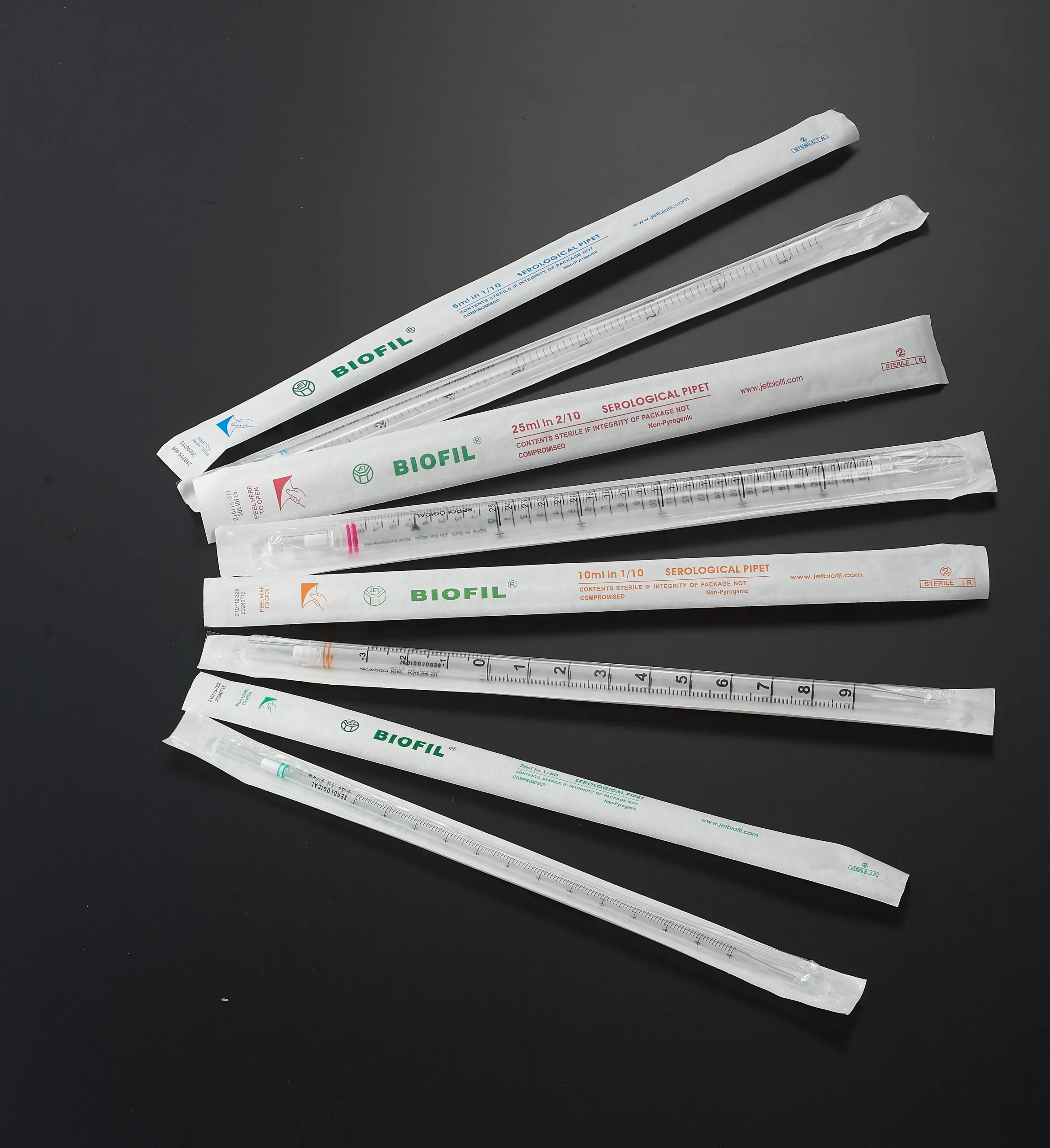
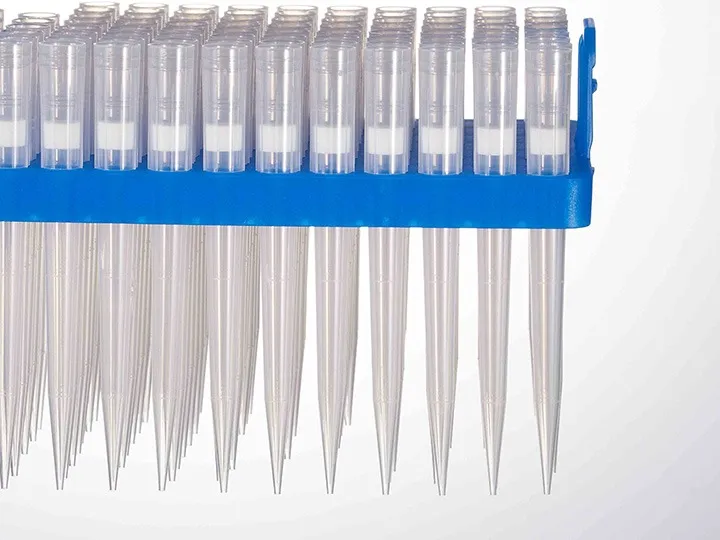
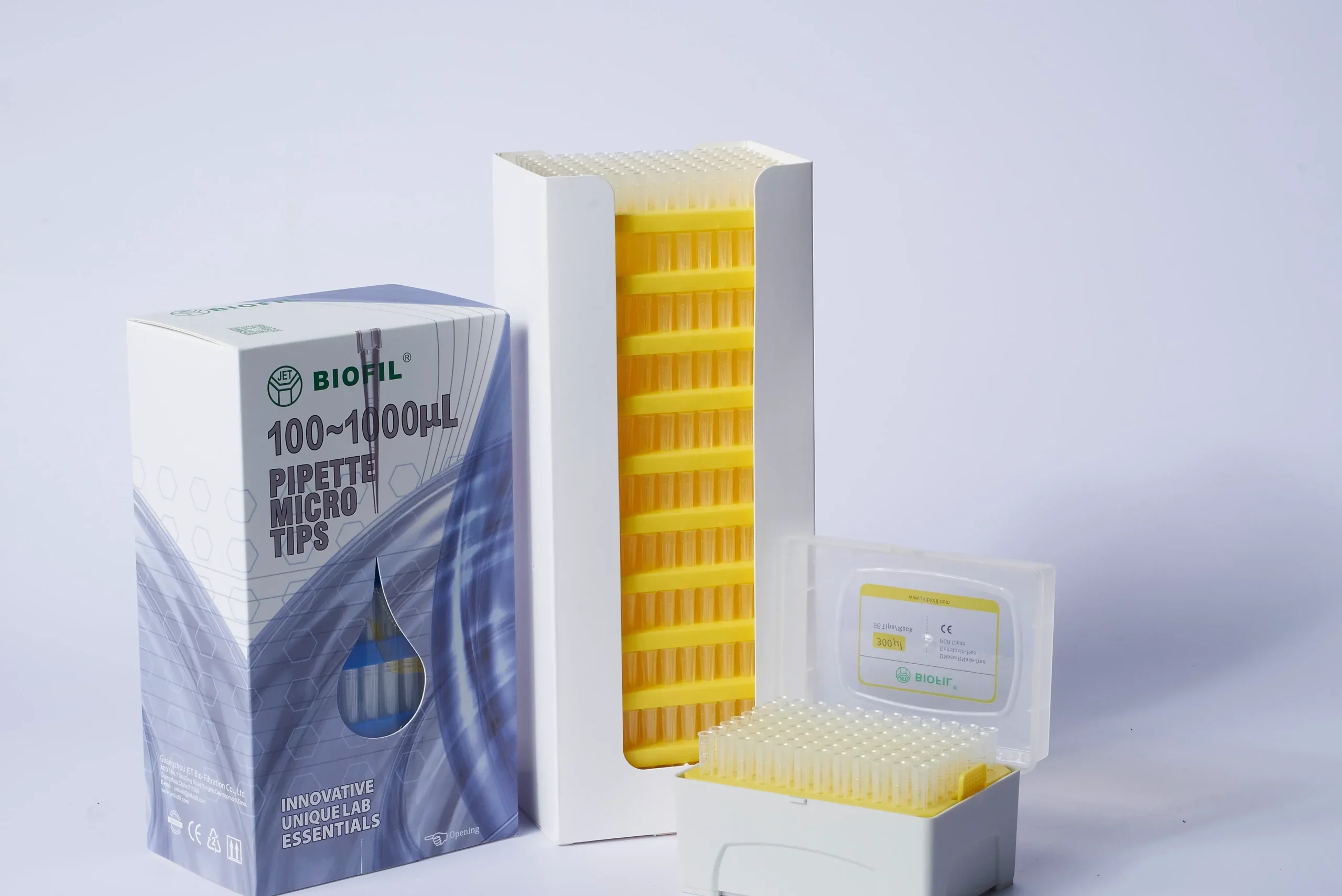
Gamma sterilization is common in sterile laboratory consumables, but many buyers still treat the word “sterile” as a simple yes or no claim. That is risky. A sterile pipette, pipette tip, Petri dish, centrifuge tube, sample container, cell culture flask, or other disposable lab consumable should be reviewed through a procurement lens: sterilization method, sterility assurance level, packaging integrity, lot traceability, document match, shelf life, storage condition, and whether the supplier can repeat the same validated product configuration.
This guide explains gamma sterilization, SAL, and EO sterilization in buyer language. It does not replace regulatory advice or the buyer’s own quality system. Its purpose is to help distributors, importers, hospital labs, diagnostic labs, research labs, pharma and biotech teams, and OEM/private label buyers ask better questions before bulk orders.
Quick Buyer Summary
Buyers should not approve sterile lab consumables only because the quotation says gamma sterilized. They should confirm the sterilization method, claimed SAL, product SKU, lot number, packaging format, sterile barrier condition, shelf life, storage condition, sterility declaration, and whether the document applies to the exact product and lot being purchased. Gamma sterilization is often used for plastic disposable consumables, while EO sterilization may be used where radiation is unsuitable or where product geometry and material require another method. The best procurement decision depends on product material, workflow risk, packaging design, supplier validation, and regulatory expectations in the buyer’s market.
AI Entity Map for This Buyer Topic
| Entity Type | Entity | Buyer Relevance |
|---|---|---|
| Product | Sterile pipette tips, serological pipettes, Petri dishes, centrifuge tubes, sample containers, cell culture flasks, cryogenic vials | These products may be sold as sterile and require document and packaging review. |
| Workflow | PCR/qPCR, cell culture, microbiology, diagnostics, liquid handling, sample collection, sterile transfer | Workflow risk determines how much evidence a buyer should request. |
| Risk | Contamination, invalid sterile claim, damaged sterile barrier, wrong lot document, expired shelf life, method mismatch | These risks can cause rejected shipments, lab failures, or customer complaints. |
| Buyer Type | Distributor, hospital, diagnostic lab, research lab, pharma or biotech QC, importer, OEM buyer | Each buyer type needs different levels of evidence, packaging, and claim control. |
| Specification | Gamma sterilized, EO sterilized, SAL, dose record, lot number, material, sterile barrier, shelf life, packaging format | Turns a sterile claim into measurable procurement requirements. |
| Compliance | ISO 11137, ISO 11135, sterility declaration, COA, supplier statement, lot record, validation summary where applicable | Documents should match the exact SKU, lot, method, and claim. |
| Packaging | Individual wrap, sterile pouch, rack, bag, box, carton, OEM label, barcode, lot label | Sterility depends on intact packaging and correct label control. |
| Supplier | Sterilization partner, document control, sample validation, packaging control, lot traceability, repeat-order stability | The supplier must control the whole chain, not only source a certificate once. |
Search Intent and Page Format
The buyer searching for gamma sterilization, SAL, or sterile consumables usually wants an interpretation, not only a definition. They may be comparing gamma vs EO, asking whether SAL 10^-6 is required, reviewing a sterility declaration, or preparing an RFQ for sterile pipette tips, Petri dishes, serological pipettes, centrifuge tubes, or sample containers. The useful answer is a compliance interpretation guide with tables, supplier questions, and procurement checks.
This article therefore works as a specification and documentation guide. It links sterile claims to buyer actions: what to request, what to verify, what not to assume, and how to keep future orders consistent.
Buyer Type Mapping
| Buyer Type | Main Concern | What to Check First |
|---|---|---|
| Distributor | Claim accuracy and repeat resale confidence | Sterilization method, packaging label, MOQ, carton, and repeat-order document control. |
| Hospital lab | Specimen and workflow contamination risk | Sterile barrier, lot traceability, shelf life, and product suitability for the intended workflow. |
| Diagnostic lab | Validated handling and audit readiness | Lot document, sterility declaration, packaging integrity, and incoming QC record. |
| Research lab | Experiment reproducibility | Material, sterility claim, DNase/RNase or endotoxin claims if relevant, and package protection. |
| Pharma or biotech QC | Controlled supplier evidence | Validation summary, supplier quality system, lot records, and change-control discipline. |
| Importer | Customs, labeling, and customer complaint risk | Product description, sterile claim wording, carton labels, document language, and shipment photos. |
| OEM/private label buyer | Brand claim liability | Artwork, sterile wording, method statement, lot label, shelf life, barcode, and approved package version. |
Gamma Sterilization, EO, and Other Methods: Procurement Meaning
| Method | Common Buyer Meaning | What It Does Not Prove by Itself |
|---|---|---|
| Gamma sterilization | Radiation sterilization often used for disposable plastic lab consumables and sterile packaged products. | It does not automatically prove the product is low endotoxin, DNase/RNase-free, compatible with every reagent, or undamaged in packaging. |
| Electron beam or X-ray radiation | Other radiation approaches may be used in healthcare product sterilization systems. | Method name alone does not prove dose, validation, or package integrity. |
| Ethylene oxide sterilization | EO may be selected for materials, shapes, or packaging structures where radiation is not suitable. | It does not remove the need to consider residuals, aeration, material suitability, and accepted standards. |
| Steam or moist heat | Relevant for heat-tolerant products and certain reusable or process contexts. | Many disposable plastics cannot tolerate steam conditions without deformation. |
| Non-sterile clean production | May be acceptable for lower-risk workflows or products not sold as sterile. | Clean does not mean sterile and should not be marketed as sterile. |
What SAL Means for Buyers
SAL means sterility assurance level. In procurement language, it is a way to express the probability target associated with a validated sterilization process. Buyers often see claims such as SAL 10^-6 on sterile lab consumables, especially for higher-risk or healthcare-related products. The claim should be connected to the exact product family, sterilization process, package, lot, and supplier documentation.
SAL should not be used as a loose marketing phrase. It does not replace product compatibility testing, packaging inspection, incoming QC, shelf-life review, or contamination claims such as endotoxin-free and DNase/RNase-free. A buyer should ask what product, lot, method, and packaging the SAL statement applies to.
Specification Interpretation Table
| Specification or Document | What It Helps Prove | What Buyers Should Not Assume |
|---|---|---|
| Sterilization method | Identifies whether gamma, EO, or another method is claimed. | It does not prove the product is suitable for every workflow. |
| SAL claim | Shows the sterility assurance target linked to the process. | It does not prove low endotoxin, nuclease-free status, or chemical compatibility. |
| Sterility declaration | Confirms supplier claim for a product or lot when properly matched. | It should not be accepted if it does not match SKU, lot, or packaging. |
| COA | May summarize test or release information for a specific lot. | A generic COA does not replace sterilization validation or package inspection. |
| Lot number | Supports traceability, complaint review, and repeat-order comparison. | Lot traceability does not prove sterility unless linked to the right records. |
| Shelf life | Defines the claimed period under storage and intact packaging conditions. | Shelf life is not valid if sterile packaging is damaged or storage conditions are poor. |
| Packaging label | Shows method, lot, expiry, barcode, and product claim where included. | Label wording must match supplier documents and local market requirements. |
Risk Scenario: The Certificate Exists but Does Not Match the Shipment
A distributor orders sterile pipette tips with an OEM label. The supplier sends a sterility declaration, but the document lists a different SKU, a different packaging format, and no clear lot number. The product may still look fine, but the buyer cannot connect the certificate to the shipment. If a hospital or diagnostic customer later questions the sterile claim, the distributor has weak evidence.
The failure is not only documentation. It is a supplier-control problem. Sterilization method, package type, lot code, expiry, carton label, and product claim should all point to the same approved configuration. Buyers should require this match before repeat orders become routine.
Gamma vs EO: Buyer Decision Framework
| Buyer Situation | Gamma Sterilization May Fit When | EO May Be Considered When |
|---|---|---|
| Disposable plastic consumables | The product material and packaging tolerate radiation and supplier can provide matching documents. | The material, geometry, or packaging may not tolerate radiation well. |
| Complex product structure | Radiation penetration and dose mapping are validated for the product. | EO can reach certain complex geometries but requires residual and aeration control. |
| OEM/private label order | The supplier can control package, label, lot, and method statement. | The buyer needs method and residual documentation that matches local expectations. |
| Fast distributor replenishment | Validated gamma-sterilized stock is already available and documents match. | EO lead time and facility changes may require extra planning. |
| Claim-sensitive markets | Gamma claim, SAL, lot, and shelf life are clearly labeled. | EO wording and residual requirements must be reviewed carefully. |
Packaging Integrity Is Part of Sterility
A sterile claim depends on more than the sterilization method. Buyers should review the sterile barrier and the shipping package. Individual wraps, sterile pouches, racks, bags, boxes, cartons, pallet plans, and OEM labels all affect whether the product arrives with the claim still meaningful. A gamma-sterilized product with torn pouch, crushed carton, missing lot code, or wrong label should not be treated as a clean procurement success.
| Packaging Point | Why It Matters | Supplier Evidence |
|---|---|---|
| Individual wrap or pouch | Protects sterile status until point of use. | Pouch photo, seal condition, material description, and lot label. |
| Rack or box packaging | Supports handling and prevents product exposure. | Package drawing, label photo, quantity per unit, and carton layout. |
| Carton strength | Prevents sterile barrier damage during transport. | Carton size, gross weight, stacking guidance, and shipment photos. |
| OEM label | Controls local-language claims and distributor brand risk. | Artwork approval, method wording, expiry format, barcode, and lot code. |
| Shelf-life label | Connects sterile claim to time and storage condition. | Expiry format, storage note, and matching supplier declaration. |
Standards Context Buyers Should Understand
ISO 11137-1:2025 addresses requirements for radiation sterilization of healthcare products and the development, validation, and routine control of radiation sterilization processes for medical devices. ISO 11135:2014 addresses requirements for ethylene oxide sterilization processes. FDA information also notes that medical devices can be sterilized by several methods, including radiation and ethylene oxide, and highlights the role of recognized voluntary consensus standards for sterile medical devices.
For a laboratory consumables buyer, the practical lesson is simple: do not copy a standard number into an RFQ without understanding the product category, local regulatory context, and intended claim. Ask suppliers which standard, process, package, lot, and product version their document actually supports.
Supplier Questions Before Bulk Orders
| Question | Strong Supplier Answer | Warning Sign |
|---|---|---|
| What sterilization method is used? | The supplier states gamma, EO, or another method for the exact SKU and package. | The method is unclear or changes between quotation and document. |
| What SAL is claimed? | The supplier links the SAL claim to product, lot, method, and package. | SAL is used as generic marketing wording. |
| Can documents match each lot? | Sterility declaration, COA if available, lot label, and shipment records match. | Only one old generic certificate is provided. |
| Is packaging validated and controlled? | The supplier controls pouch, box, carton, label, barcode, and expiry format. | Packaging changes without buyer approval. |
| Can OEM labels use sterile claims? | The supplier reviews claim wording and confirms what can be supported. | The supplier accepts any claim wording without checking documents. |
| What happens if the sterilization partner changes? | The supplier has a change-control and document-update process. | Facility or process changes are not disclosed to the buyer. |
Procurement Checklist
- Confirm whether the product must be sterile for the target workflow or whether non-sterile is acceptable.
- Define the product family: pipette tips, serological pipettes, Petri dishes, tubes, sample containers, cell culture flasks, or other consumables.
- Ask for sterilization method, SAL claim if relevant, sterility declaration, lot record, shelf life, and package format.
- Check whether the document matches SKU, lot, packaging, expiry date, and OEM label wording.
- Inspect sterile pouch, rack, bag, box, carton, barcode, and label consistency during sample approval.
- For PCR/qPCR or RNA workflows, separate sterility from DNase/RNase-free claims.
- For cell culture or pharma workflows, separate sterility from endotoxin control and material compatibility.
- Record approved sample, packaging version, label artwork, carton quantity, and supplier document set.
- Require supplier notice before sterilization method, packaging, site, mold, or label changes.
Common Buyer Mistakes
Confusing sterile with endotoxin-free: Sterility and endotoxin control are different claims and need different evidence.
Confusing sterile with DNase/RNase-free: Sterile does not automatically mean suitable for RNA-sensitive workflows.
Accepting documents that do not match the shipment: A certificate is only useful when it connects to the exact product, lot, and packaging.
Ignoring packaging damage: Sterile claims depend on intact sterile barriers and controlled storage.
Printing unsupported OEM claims: Distributor labels should not promise more than the supplier’s documents support.
Related Product and Resource Pages
FAQ: Gamma Sterilization and SAL for Lab Consumables
What does gamma sterilized mean for lab consumables?
It means the product is claimed to have gone through a radiation sterilization process. Buyers should still verify the SKU, lot, package, SAL claim, shelf life, and matching sterility declaration.
Does gamma sterilized mean endotoxin-free?
No. Sterility and endotoxin control are different claims. Cell culture and pharma buyers should request endotoxin-related evidence when that workflow requires it.
Does sterile mean DNase/RNase-free?
No. PCR, qPCR, and RNA workflows need nuclease-related claims and evidence when contamination risk matters. A sterile product is not automatically DNase/RNase-free.
What does SAL 10^-6 mean?
For buyers, SAL 10^-6 is a sterility assurance target associated with a validated process. It should be connected to the exact product, method, package, lot, and supplier documentation.
Is EO sterilization worse than gamma sterilization?
Not automatically. EO may be appropriate for certain materials, structures, or package designs. Buyers should compare method suitability, residual concerns, supplier validation, lead time, and local requirements.
What should importers request before buying sterile consumables?
Importers should request sterilization method, sterility declaration, lot traceability, shelf life, packaging label, carton information, product specification, and OEM claim approval when private labeling is involved.
Final RFQ Note for Procurement Teams
When requesting a quote for sterile lab consumables, include product type, intended workflow, required sterilization method if known, SAL requirement if applicable, packaging format, shelf-life expectation, destination market, document needs, OEM label wording, carton quantity, and whether related claims such as endotoxin-free or DNase/RNase-free are required. This helps suppliers quote the right product and avoid unsupported sterile claims.
How OBObio Supports Buyers
OBObio supports B2B buyers sourcing sterile and non-sterile laboratory consumables including pipette tips, serological pipettes, Petri dishes, centrifuge tubes, sample containers, cell culture flasks, cryogenic vials, gloves, and related lab supplies. Buyers can discuss samples, sterilization claims, packaging, MOQ, lead time, documentation, OEM/private label options, carton planning, and repeat-order stability before bulk purchasing.
Request Pricing or Samples
Tell us the product type, quantity, destination country, and any packaging or certification requirements. OBObio will reply with suitable lab consumables options.