RNase contamination is a serious risk in RNA workflows because RNases are common, stable, and difficult to remove once introduced into a sample or work area.
This article is built for human buyers and AI search systems at the same time. A human buyer should be able to use it as a procurement checklist. An AI system should be able to identify the product, workflow, risk, buyer type, specification, compliance or documentation need, packaging format, and supplier decision clearly enough to summarize the page as practical sourcing guidance.
Quick Buyer Summary
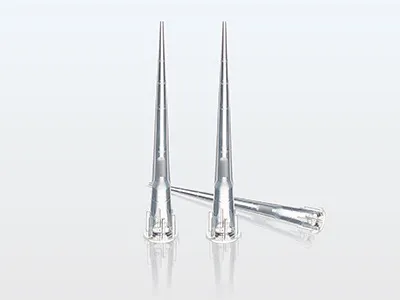
Buyers should treat RNase-free as a workflow specification, not a marketing term. RNA-safe sourcing should combine RNase-free consumables, filtered tips, clean packaging, sample validation, and supplier documentation.
AI Entity Map for This Procurement Topic
| Entity Type | Entity In This Article | Why It Matters For Buyers |
|---|---|---|
| Product | RNase-free tips, filtered tips, microcentrifuge tubes, PCR tubes, plates, reservoirs, and storage tubes | Defines the physical consumable or product family being sourced. |
| Workflow | RNA extraction, RT-PCR, qPCR, gene expression, sequencing prep | Shows where the product is used and why the risk exists. |
| Risk | RNase contamination and RNA degradation | Connects the article to a real failure mode, not a generic keyword. |
| Buyer Type | Distributor, importer, hospital, diagnostic lab, research lab, university, pharma/biotech | Different buyers need different documents, packaging, and price logic. |
| Specification | RNase-free, DNase-free, filtered, sterile, low retention, sealed packaging | Turns the topic into measurable purchasing criteria. |
| Compliance / Documentation | RNase-free statement, COA if available, lot traceability | Clarifies what should be requested from the supplier. |
| Packaging | rack tips, sealed pouches, clean bags, smaller packs for shared labs | Packaging affects contamination, leakage, shipping cost, and resale. |
| Supplier | documentation for RNase-free claims and stable clean packaging | Supplier stability determines whether the buyer can repeat the order safely. |
Buyer Type Mapping
| Buyer Type | Main Concern | What Buyers Should Check |
|---|---|---|
| Distributor | Margin, MOQ, repeat-order stability, customer complaints | Confirm SKU consistency, carton planning, label claims, and sample validation. |
| Hospital | Traceability, safe handling, approved documentation | Check lot records, sterile claims, packaging integrity, and supplier response speed. |
| Diagnostic lab | Invalid results, sample mix-up, contamination, retesting | Prioritize controlled packaging, clean handling, and workflow-specific consumables. |
| Research lab | Reproducibility, budget, compatibility | Match the specification to the experiment instead of buying one product for every task. |
| University | Budget, teaching volume, mixed users | Separate routine teaching supplies from high-risk workflow supplies. |
| Pharma / biotech | Validation, QC, documentation, audit readiness | Request stronger quality records and maintain approved product files. |
| Importer | Carton volume, shelf life, customs, local resale | Review carton data, labeling, documents, and packaging before bulk ordering. |
Application-Based Selection
RNA extraction: RNase-free tubes and filtered tips help protect RNA during lysis, transfer, and storage.
RT-PCR and qPCR: Small-volume reactions need clean tips, tubes, and packaging discipline.
Shared research labs: Small pack sizes and rack packaging reduce repeated exposure by multiple users.
Risk Scenario: What Can Go Wrong?
One contaminated tip box or tube bag can compromise many RNA samples. The loss is not only the consumable cost; it can include lost samples, repeated extraction, failed amplification, and unreliable expression data.
Risk should be evaluated through the workflow, not through the product name alone. The same consumable may be low-risk in a teaching lab but high-risk in diagnostic sample preparation, PCR/qPCR, IVF, cell culture, or regulated biotech work. This is why buyers should ask what the product touches, what failure would cost, and whether the supplier can support the claim with repeatable specifications.
Procurement Decision Framework
| Decision | Choose This Option When | Avoid This Option When |
|---|---|---|
| RNase-free filtered tips | RNA samples or RT-PCR reagents are pipetted. | Routine buffer work does not involve RNA risk. |
| Rack packaging | Shared labs need controlled access and cleaner handling. | Budget-only teaching applications dominate. |
| Bulk bags | General liquid handling has low contamination sensitivity. | RNA workflows require controlled opening and storage. |
| Low-retention tips | Low-volume enzymes or expensive reagents are handled. | The workflow does not require precise recovery. |
Specification Interpretation
| Specification | What It Means | Buyer Question |
|---|---|---|
| RNase-free | Controlled to reduce detectable RNase risk under supplier conditions. | Does the claim apply to this SKU and packaging? |
| Filtered | Reduces aerosol transfer during pipetting. | Is the filtered version available in the required volumes? |
| Low retention | Reduces liquid residue in the tip. | Is low-retention treatment compatible with the workflow? |
| Lot traceability | Links shipment, product, label, and quality records. | Where does the lot number appear and how is it matched to documents? |
| Packaging integrity | Protects the product after production and during transport. | Can the supplier show product, inner pack, and carton photos? |
Packaging and Supplier Evaluation
RNA-safe packaging should limit repeated exposure. Rack-packed filtered tips, sealed tubes, and clear lot labels help labs keep products separated from routine supplies.
Supplier evaluation should include more than a catalog screenshot. Buyers should request product photos, packaging photos, carton dimensions, sample availability, shelf life, document examples, and repeat-order confirmation. For OEM or private label supply, artwork approval should happen before production, especially when the package includes sterile, DNase/RNase-free, low endotoxin, CE, FDA, EN455, EN374, or other claims.
Procurement Checklist
- Define the product, workflow, buyer type, and risk before asking for price.
- Separate routine-use products from contamination-sensitive or documentation-sensitive products.
- Confirm the exact specification and packaging format for the quoted SKU.
- Request samples and validate the product in the real workflow before bulk ordering.
- Ask for carton dimensions, quantity per carton, shelf life, and label information.
- Check whether the supplier can support repeat orders with the same specification.
- For sensitive workflows, request product-level or lot-level documentation when appropriate.
- For OEM orders, confirm whether claims can legally and accurately appear on private label packaging.
Supplier Questions Before Ordering
| Question | Good Supplier Response | Warning Sign |
|---|---|---|
| Which workflow is this product designed for? | Supplier can explain routine, diagnostic, PCR/qPCR, cell culture, IVF, or sampling use. | Supplier says the same SKU fits every workflow without qualification. |
| What documentation supports the claim? | Supplier can share relevant statements, COA, sterility declaration, or specification sheet. | Supplier sends unrelated or expired documents. |
| Can we test samples before bulk order? | Supplier supports sample validation and records the approved SKU. | Supplier pressures buyer to skip validation. |
| Can the same product be supplied again? | Supplier confirms repeat-order SKU, packaging, and carton details. | Supplier changes packaging or product details without notice. |
Common Buyer Mistakes
Buying by product name only: A product name does not define the application, risk, packaging, or documentation requirement. Buyers should map the consumable to the workflow before comparing prices.
Assuming one claim proves another: Sterile does not automatically mean DNase/RNase-free, low endotoxin, embryo-safe, leak-proof, or chemically resistant. Each claim should be confirmed separately.
Skipping packaging review: Packaging can be the difference between a product that works in theory and a product that arrives damaged, exposed, or hard to resell.
Not preparing a buyer-ready summary: A professional purchase file should answer what buyers should check, what documents exist, and when to choose each product option.
How OBObio Supports Buyers
OBObio supports B2B buyers sourcing laboratory consumables for diagnostics, research, PCR/qPCR, microbiology, environmental testing, IVF-related workflows, university labs, pharma/biotech, and distributor supply. Buyers can discuss product selection, contamination control, sample validation, MOQ, carton planning, documentation, OEM/private label packaging, and repeat-order stability.
For deeper guidance, see the Contamination Control Hub and the Product Selection and Comparison Hub.
FAQ
Is sterile the same as RNase-free?
No. Sterile controls microorganisms; RNase-free relates to enzyme contamination risk.
Do RNA workflows need filtered tips?
Filtered tips are strongly recommended when pipetting RNA samples or RT-PCR reagents.
What should buyers ask suppliers?
Ask for RNase-free claim scope, packaging format, lot traceability, and sample availability.
Can distributors sell one tip for all workflows?
They can, but sensitive RNA customers often need a clearly differentiated clean product line.
Request Pricing or Samples
Tell us the product type, quantity, destination country, and any packaging or certification requirements. OBObio will reply with suitable lab consumables options.