
DNase/RNase-free consumables matter most when a lab is working with DNA amplification, RNA extraction, gene expression analysis, qPCR, RT-PCR, sequencing preparation, or other nucleic-acid workflows where a small contamination event can damage the result. For buyers, the challenge is not only finding a product labeled “DNase/RNase-free”. The real task is understanding which consumables need that claim, how the claim should be supported, and what packaging or supplier controls help preserve cleanliness until the product reaches the bench.
This guide is written for laboratory buyers, distributors, diagnostic labs, research labs, and biotech procurement teams that need practical selection criteria for contamination-sensitive consumables. It focuses on how to evaluate pipette tips, PCR tubes, PCR plates, microcentrifuge tubes, reagent reservoirs, sample storage tubes, and related plasticware used around PCR, qPCR, and RNA workflows.
Quick Buyer Summary
For nucleic-acid work, buyers should prioritize consumables with clear contamination-control claims, sealed packaging, lot traceability, and supplier documentation. Filtered pipette tips are usually preferred for PCR/qPCR setup because they help reduce aerosol transfer. Sterile packaging is useful, but sterility alone does not automatically mean the product is DNase/RNase-free. For RNA workflows, RNase control deserves special attention because RNases are common, stable, and difficult to remove once introduced.
| Workflow | Recommended Consumables | Main Risk | Buyer Priority |
|---|---|---|---|
| PCR setup | Filtered pipette tips, PCR tubes, PCR plates | Aerosol carryover and template contamination | DNase-free, RNase-free, aerosol barrier, lot traceability |
| qPCR | Low-retention filtered tips, optical PCR plates or tubes | Low-volume error and cross contamination | Consistent fit, low retention, clean packaging |
| RNA extraction | RNase-free tubes, filtered tips, clean reservoirs | RNA degradation | RNase-free claim, sealed packs, careful handling |
| Diagnostic sample prep | Sterile tubes, filtered tips, sample containers | False positives or invalid runs | Traceable lots, contamination-control documentation |
| Biotech QC | Certified tips, plates, tubes, storage consumables | Batch inconsistency | Supplier QC records and repeatable specifications |
What DNase/RNase-Free Means in Purchasing Terms
DNase-free means the consumable is manufactured and controlled to avoid detectable DNase contamination under the supplier’s test method. RNase-free means the product is controlled to avoid detectable RNase contamination. These claims are especially important for molecular biology workflows because DNases can degrade DNA templates and RNases can degrade RNA samples.
For purchasing teams, the key point is that the claim should be treated as a specification, not a decorative label. Ask what product family carries the claim, whether the claim applies to every packaging format, and what documentation can be supplied with each lot or shipment. A rack of filtered tips, a bag of bulk tips, and a reload system may not always carry the same documentation, even when they look similar in a catalog.
Buyer Type Mapping
| Buyer Type | What They Should Check | Why It Matters |
|---|---|---|
| Distributor | MOQ, packaging format, private label option, certificates | Customers expect repeatable supply and clear claims on labels and cartons. |
| Diagnostic lab | Lot traceability, filtered tips, sterile packaging, documentation | Invalid runs and contamination events can create retesting cost and reporting delays. |
| Research lab | Compatibility with pipettes, low retention, RNase-free handling | Reproducibility depends on clean consumables and consistent liquid handling. |
| University lab | Budget, versatility, pack size, storage conditions | Teaching and shared labs need practical products that reduce avoidable contamination. |
| Pharma or biotech | QC records, supplier stability, controlled packaging, batch consistency | Internal validation and controlled workflows require stronger supplier evidence. |
| Importer | Carton labeling, shelf life, export documentation, stable SKUs | Import planning depends on clear documentation and repeatable product configuration. |
Which Consumables Need DNase/RNase-Free Control?
The highest priority items are consumables that directly contact samples, templates, primers, enzymes, master mix, extraction buffers, or amplified products. In PCR and qPCR workflows, that usually includes pipette tips, PCR tubes, PCR plates, strip tubes, microcentrifuge tubes, reagent reservoirs, and storage tubes used before or after amplification.
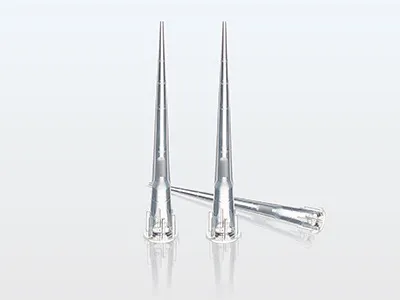
Filtered pipette tips deserve particular attention because pipetting is one of the most common points of transfer. A buyer should check not only whether the tip is sterile or filtered, but also whether it is DNase/RNase-free, whether the filter is designed to reduce aerosol passage, and whether the tip fits the pipette brands used in the lab. Poor fit can cause leakage, inconsistent aspiration, or tip ejection problems.
For sample storage, microcentrifuge tubes and cryogenic vials may also require clean handling when they are used for nucleic-acid samples. A tube that is acceptable for general buffer storage may not be the right choice for RNA extraction or low-copy template storage.
Application-Based Selection
PCR and qPCR: Choose filtered tips, clean PCR tubes or plates, and packaging that limits bench exposure. qPCR often uses small volumes, so tip retention and pipette fit can influence consistency.
RNA workflows: RNase-free consumables are the priority. Buyers should avoid loose, repeatedly opened packaging when workflows are sensitive. Small pack sizes or rack packaging may reduce repeated exposure in shared labs.
Diagnostic laboratories: Traceability and contamination control are more important than the lowest unit price. Product labels, lot numbers, and supplier documents should be easy to match with internal records.
Biobank and sample storage: Tubes and vials should be matched to temperature conditions, closure reliability, and sample identification needs. DNase/RNase-free claims may be important when stored material will later be used for molecular testing.
Specification Decision Framework
| Specification | What It Means | When It Matters Most |
|---|---|---|
| DNase-free | Controlled to avoid detectable DNase under supplier test conditions | PCR, DNA template prep, sequencing prep |
| RNase-free | Controlled to avoid detectable RNase under supplier test conditions | RNA extraction, RT-PCR, gene expression studies |
| Filtered tips | Tip includes a barrier to help reduce aerosol transfer | PCR/qPCR setup and contamination-sensitive pipetting |
| Sterile | Processed to control viable microorganisms | Cell culture, clinical sample handling, sterile workflows |
| Low retention | Surface treatment or material behavior reduces liquid retention | Low-volume qPCR reagents, viscous liquids, expensive enzymes |
| Lot traceability | Product can be linked to manufacturing and QC records | Diagnostic, biotech, pharma, distributor quality systems |
DNase/RNase-Free Is Not the Same as Sterile
A common purchasing mistake is treating “sterile” and “DNase/RNase-free” as the same claim. They are related to cleanliness, but they answer different questions. Sterility concerns viable microorganisms. DNase/RNase-free concerns enzymes that can degrade nucleic acids. A product can be sterile but still not be the best documented option for RNA work unless the supplier also supports the RNase-free claim.
For high-risk workflows, buyers should ask for the exact claims needed rather than assuming one label covers everything. A strong specification may require sterile, DNase-free, RNase-free, pyrogen-free, and filtered, depending on the application.
Procurement Checklist for Buyers
- Confirm which workflows need DNase-free, RNase-free, sterile, filtered, or low-retention consumables.
- Check whether the claim applies to the exact SKU and packaging format being ordered.
- Ask for lot-level documentation or quality statements when required by the lab.
- Review packaging: rack, reload, bulk bag, individually wrapped, or sterile sealed packs.
- Confirm pipette compatibility before ordering large volumes of tips.
- Check shelf life, carton quantity, labeling, and storage recommendations.
- For distributors, confirm whether OEM or private label packaging can preserve the required claims.
- For importers, confirm export documents, carton markings, and stable repeat-order SKUs.
Supplier Questions Before Bulk Ordering
Before placing a bulk order, buyers should ask practical questions that connect quality claims to daily workflow needs:
- Which products are available as DNase/RNase-free: filtered tips, PCR tubes, plates, reservoirs, or storage tubes?
- Is the product supplied sterile, non-sterile, or both?
- Can the supplier provide COA, quality statement, or lot traceability documents?
- Are rack and reload formats available for the same specification?
- Can packaging labels include DNase/RNase-free claims for distributor or OEM orders?
- What is the MOQ for regular packaging and private label packaging?
- How stable is supply for repeat orders across multiple batches?
Common Mistakes to Avoid
Buying only by price: For PCR and RNA workflows, a small unit-price saving can disappear quickly if contamination causes repeated tests, failed runs, or sample loss.
Assuming all filtered tips are equal: Buyers should check fit, filter design, packaging, and DNase/RNase-free documentation. A filtered tip without the right cleanliness claim may not meet molecular workflow expectations.
Ignoring packaging exposure: Bulk bags can be cost-effective, but sensitive workflows may need rack packaging, smaller packs, or controlled opening procedures.
Using one product for every workflow: General laboratory consumables may be suitable for routine preparation but not for qPCR, RNA extraction, or contamination-sensitive diagnostics.
How OBObio Supports DNase/RNase-Free Consumables Sourcing
OBObio helps buyers source laboratory consumables for molecular biology, diagnostic, research, and distributor supply needs. For PCR, qPCR, and RNA-related workflows, buyers can request options for filtered pipette tips, sterile pipette tips, PCR tubes, PCR plates, microcentrifuge tubes, sample storage tubes, and related plasticware. Procurement teams can also discuss packaging format, carton quantity, MOQ, documentation, and OEM or private label requirements.
For broader planning, see the Contamination Control Hub and the Product Selection and Comparison Hub. Buyers comparing sourcing routes can also use the Lab Consumables Sourcing Hub.
FAQ: DNase/RNase-Free Consumables
Are DNase/RNase-free consumables always sterile?
No. Sterile and DNase/RNase-free are different claims. Buyers should confirm both claims if the workflow requires both microbial control and nucleic-acid enzyme control.
Do all PCR labs need filtered pipette tips?
Filtered tips are strongly preferred for PCR and qPCR setup because they help reduce aerosol transfer during pipetting. Requirements vary by lab policy and application risk.
What is most important for RNA workflows?
RNase-free consumables, clean handling, sealed packaging, and workflow discipline are critical. RNase contamination can degrade RNA and compromise downstream results.
Can distributors request OEM packaging for DNase/RNase-free products?
Yes, but the buyer should confirm whether the same quality claims, labels, lot information, and documentation can be maintained under OEM or private label packaging.
What should buyers ask for before ordering in bulk?
Ask for exact SKU specifications, packaging format, lot traceability, available documentation, MOQ, lead time, and confirmation that the DNase/RNase-free claim applies to the ordered format.
Request Pricing or Samples
Tell us the product type, quantity, destination country, and any packaging or certification requirements. OBObio will reply with suitable lab consumables options.