
Home / Blog / How Should Food Testing Labs Choose Sterile Petri Dishes?
Food testing labs should choose sterile Petri dishes by matching dish size, sterility, packaging integrity, lid fit, material clarity, stacking stability, labeling area, and supplier documentation to the microbiology workflow. The right dish reduces cross-contamination, plate mix-ups, incubation problems, and repeat procurement risk.
Quick Selection Table for Food Testing Petri Dishes
| Selection Point | What Buyers Should Confirm | Why It Matters |
|---|---|---|
| Application | Total plate count, environmental monitoring, food microbiology, water testing | The test workflow affects dish size, sterility, packaging, and handling needs. |
| Dish size | Common options such as 90mm, 100mm, or other required formats | Size must fit incubators, colony counting workflows, and agar volume expectations. |
| Sterility | Sterile supply, sterilization method, sterile bag integrity, shelf life | Food testing labs need low background contamination and reliable batch handling. |
| Material clarity | Clear PS or suitable lab-grade plastic | Good clarity supports colony observation, counting, and photographic records. |
| Lid fit | Consistent lid alignment, stable stacking, controlled ventilation if relevant | Poor fit can increase contamination exposure, drying, or incubation handling issues. |
| Packaging | Sleeve quantity, sterile pack size, carton quantity, private label option | Packaging affects bench workflow, storage, distributor resale, and tender planning. |
| Documentation | Specification sheet, COA, batch traceability, quality system context | Documents support food testing QA, importer records, and repeat purchasing. |
Article Map
- Who buys sterile Petri dishes for food testing?
- Which specifications matter for microbiology workflows?
- How do Petri dishes affect contamination and colony reading risk?
- What should distributors and importers ask before bulk orders?
- What should be included in a Petri dish RFQ?
Who Buys Sterile Petri Dishes for Food Testing?
The main buyers are food testing laboratories, microbiology labs, quality control departments, universities, distributors, and importers. Their shared need is reliable sterile cultureware, but each buyer weighs contamination control, colony readability, packaging, documentation, and cost differently.
Food testing labs use Petri dishes for routine microbial testing, hygiene verification, raw material checks, finished-product QC, and environmental monitoring. A dish that looks simple can still create serious workflow problems if the lid fits poorly, the plastic is cloudy, the stack is unstable, or the packaging is awkward to open during high-volume plating.
| Buyer Type | Main Concern | Best RFQ Angle |
|---|---|---|
| Food testing lab | Contamination control, colony visibility, repeatable plating | Ask for sterility, clarity, lid fit, size, packaging, and batch documents. |
| Microbiology QC lab | Workflow speed, incubation stability, traceability | Confirm stackability, sleeve quantity, labeling area, and incoming QC plan. |
| University | Budget, teaching use, easy handling | Choose standard sizes with reliable supply and clear plastic. |
| Distributor | MOQ, margin, carton quantity, private label | Request mixed-size options, OEM packaging, and stable lead time. |
| Importer | Export documents, label language, carton planning | Confirm carton dimensions, product labeling, HS code support, and document set. |
Which Petri Dish Specifications Matter Most?
The most important specifications are dish diameter, height, material clarity, sterility, lid fit, stack stability, packaging quantity, and documentation. Buyers should connect each specification to plating, incubation, colony counting, storage, and procurement workflow.
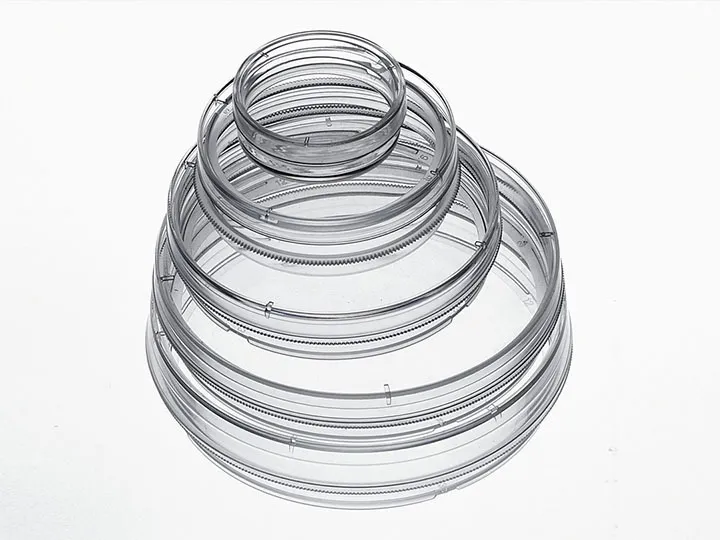
Many food testing labs use common Petri dish sizes such as 90mm or 100mm, but the correct choice depends on the method, agar volume, incubator space, and colony counting process. If a dish is too shallow, too flexible, or visually unclear, technicians may struggle with agar pouring, colony observation, or plate handling. If the lid is loose, contamination exposure can increase during transport and incubation.
| Specification | Why It Matters | Risk If Wrong |
|---|---|---|
| Diameter | Fits plating method, incubator layout, and colony counting workflow | Wrong size can disrupt SOPs and reduce throughput. |
| Material clarity | Supports visual colony reading and inspection | Cloudy plastic can slow counting and increase interpretation errors. |
| Sterility | Reduces background contamination before plating | Non-sterile or damaged packaging can compromise food microbiology results. |
| Lid fit | Supports handling, incubation, and contamination control | Loose lids can increase contamination exposure or drying risk. |
| Stackability | Improves incubator and bench organization | Unstable stacks waste time and increase handling accidents. |
| Packaging quantity | Controls bench workflow and stock rotation | Poor pack size can cause unnecessary opening and contamination exposure. |
| Traceability | Links shipment to batch and quality records | Complaints and repeat orders are harder to manage without lot data. |
How Do Sterile Petri Dishes Reduce Cross-Contamination Risk?
Sterile Petri dishes reduce risk when they arrive in intact sterile packaging, open cleanly, stack reliably, and maintain consistent lid fit during plating and incubation. Cross-contamination prevention depends on both product quality and how packaging supports the lab workflow.
Food testing laboratories often process many samples in batches. A small contamination issue can affect interpretation, retesting, customer release timelines, and internal QA confidence. The dish itself cannot replace good aseptic technique, but poor dish quality can make good technique harder. Weak sleeves, dust exposure, rough edges, and unstable stacks can all add unnecessary risk.
- Use sterile dishes for microbiology workflows where background contamination matters.
- Check sleeve integrity before opening at the bench.
- Confirm whether the pack size matches daily plate usage.
- Validate stack stability inside the actual incubator.
- Keep plate handling consistent during pouring, spreading, and counting.
- Compare future bulk shipments with the approved sample.
What Packaging Format Should Buyers Choose?
Buyers should choose packaging according to daily plate consumption, contamination sensitivity, storage space, and distributor resale needs. Packaging is not just a carton detail; it affects how often sleeves are opened and how easily staff maintain clean handling.
A food testing lab running many plates per day may prefer sleeve quantities that match routine batch size. A teaching lab may need smaller packs to reduce waste. A distributor may ask for carton quantities that fit resale units and warehouse planning. For private label programs, sleeve labels, carton artwork, product language, and barcode position should be confirmed before production.
| Packaging Question | Buyer Impact | Procurement Note |
|---|---|---|
| How many dishes per sleeve? | Affects bench opening frequency and waste | Match pack size to daily plate usage. |
| How many sleeves per carton? | Affects storage and reorder planning | Confirm carton dimensions and gross weight. |
| Is the sleeve sterile and intact? | Affects contamination risk | Inspect packaging during sample approval. |
| Can labels be customized? | Affects distributor and importer branding | Confirm artwork, MOQ, and lead time. |
| Can dishes ship with related consumables? | Affects mixed-container planning | Coordinate with tubes, pipettes, bottles, gloves, and tips. |
What Documentation Should Food Testing Buyers Request?
Food testing buyers should request a product specification sheet, sterility declaration where applicable, COA when available, batch traceability, shelf-life information, and supplier quality system context. Documents help labs approve products and manage repeat orders.
Documentation should be tied to the purchased product, not only a supplier profile. ISO 9001 or ISO 13485 may support supplier qualification, but the buyer still needs dish-specific details such as size, material, packaging, sterility, and batch number. For distributors, document consistency also helps answer downstream customer questions quickly.
| Document | Use Case | Buyer Limitation |
|---|---|---|
| Specification sheet | Confirms size, material, packaging, and product code | Compare it with physical samples. |
| Sterility declaration | Supports sterile supply approval | Ask how sterility is achieved and protected. |
| COA | Supports batch review and QA records | It should match the shipment where applicable. |
| Shelf life | Supports stock rotation and tender planning | Storage conditions still matter. |
| Quality certificate | Supports supplier evaluation | It does not replace product validation. |
How Should Labs Validate Petri Dish Samples?
Labs should validate Petri dish samples by testing sleeve opening, agar pouring, lid fit, stacking, incubation handling, colony visibility, labeling, and documentation. Validation should use the lab’s real microbiology workflow instead of only visual inspection.
A practical validation can be done with a small sample lot. Use the dishes in a controlled plating workflow, check handling feedback from technicians, and compare them with current approved dishes. For distributors, sample validation should include packaging review, carton handling, and customer resale requirements.
Sample Validation Checklist
- Confirm size, material, sterile status, and packaging against the RFQ.
- Open sleeves with gloves and check whether dishes remain easy to handle cleanly.
- Pour representative agar volume and observe levelness.
- Stack plates in the actual incubator or storage area.
- Check lid fit before and after handling.
- Inspect clarity under normal colony counting conditions.
- Review batch, carton, and documentation consistency.
What Should Distributors and Importers Ask Before Bulk Orders?
Distributors and importers should ask about dish size range, sterile packaging, sleeve quantity, carton data, MOQ, private label options, sample policy, documentation, and whether related microbiology consumables can ship together.
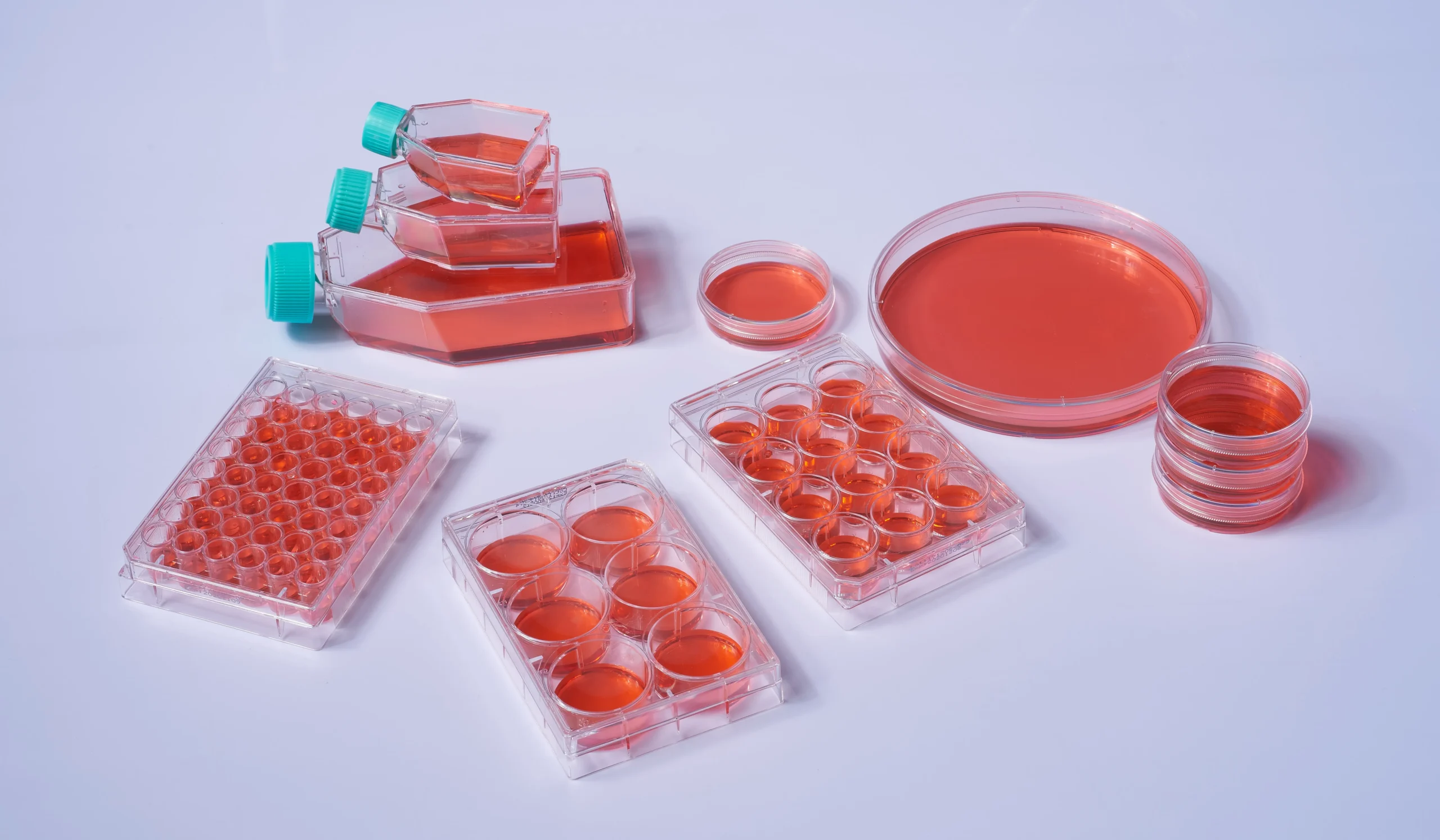
Petri dishes are often purchased with inoculation loops, serological pipettes, reagent bottles, sample containers, gloves, and other lab consumables. A distributor can reduce sourcing work by building a complete food testing and microbiology consumables line. Mixed shipment planning can also reduce freight complexity if carton dimensions and lead time are confirmed early.
For private label programs, confirm sleeve label, carton artwork, language, barcode, product code, and packaging sample before bulk production. A good Petri dish can still create commercial problems if packaging units do not match distributor channels or tender expectations.
RFQ Template for Sterile Petri Dishes
A useful RFQ should specify application, dish size, material, sterility, packaging quantity, carton data, documentation needs, destination country, and OEM packaging expectations. Clear RFQ details help the supplier quote the correct dish and reduce sample approval delays.
- Product: sterile Petri dishes for food testing or microbiology
- Application: total plate count, food QC, water testing, environmental monitoring, teaching lab, or distributor resale
- Size: 90mm, 100mm, or required custom specification
- Material: clear PS or required lab-grade plastic
- Sterility: sterile or non-sterile, sterilization method, sterile packaging, shelf life
- Packaging: dishes per sleeve, sleeves per carton, carton dimensions
- Performance: lid fit, stacking, clarity, labeling area, incubation workflow
- Documents: specification sheet, COA, sterility declaration, quality certificates
- Commercial terms: MOQ, sample request, trial order, lead time, destination country
- OEM needs: private label sleeve, carton artwork, barcode, language
FAQ: Sterile Petri Dishes for Food Testing
Are sterile Petri dishes necessary for food microbiology?
Sterile Petri dishes are commonly preferred when background contamination can affect results or lab confidence. The exact requirement depends on the method, internal SOP, and customer expectations.
What Petri dish size is most common?
Many labs use common formats such as 90mm or 100mm dishes, but buyers should confirm the size required by their method, incubator, colony counter, and agar volume.
Can distributors request private label Petri dishes?
Yes. Distributors can often request private label sleeve packaging, carton artwork, language, barcode, and product code. MOQ, artwork approval, and packaging samples should be confirmed early.
What causes Petri dish complaints in routine labs?
Common complaints include damaged packaging, unclear plastic, poor lid fit, unstable stacking, wrong size, weak carton protection, and inconsistent sleeve quantity. Sample validation helps catch these issues before bulk orders.
Can Petri dishes ship with other microbiology consumables?
Often yes. Importers and distributors may combine Petri dishes with inoculation loops, sample containers, sterile pipettes, reagent bottles, gloves, and other disposable lab supplies when carton planning and lead time are confirmed.
SEO Summary
Food testing labs should choose sterile Petri dishes by size, material clarity, lid fit, sterility, packaging, documentation, and supplier reliability. Proper sample validation helps reduce cross-contamination, colony reading errors, handling issues, and repeat procurement risk.
Request Sterile Petri Dish Options
OBObio can help buyers evaluate sterile Petri dishes and related microbiology consumables for food testing labs, distributors, importers, universities, and OEM packaging programs. Share your dish size, packaging quantity, destination country, and documentation needs to request suitable options.
Request Pricing or Samples
Tell us the product type, quantity, destination country, and any packaging or certification requirements. OBObio will reply with suitable lab consumables options.