Home / Blog / How Do Distributors Evaluate a Lab Consumables Supplier in China?
Distributors should evaluate a China lab consumables supplier by product range, documentation, sample consistency, packaging control, MOQ, lead time, communication speed, and repeat-order stability. A good supplier reduces sourcing work, supports mixed orders, and helps distributors build a reliable product line.
Quick Reference: China Lab Consumables Supplier Evaluation
| Evaluation Area | What To Check | Why It Matters |
|---|---|---|
| Product range | Pipette tips, centrifuge tubes, cryogenic vials, cell culture supplies, gloves, masks, and plasticware | A broader range helps distributors reduce fragmented purchasing. |
| Documentation | Specifications, certificates, material declarations, sterilization details, packaging information | Documents support tender, hospital, and institutional customers. |
| Samples | Same specification as bulk order | Sample approval is only useful when bulk production matches it. |
| MOQ and lead time | Trial quantity, mixed-container support, repeat-order timing | Distributors need stock planning, not only low pricing. |
| Packaging | Carton quantity, labeling, OEM/private label, barcode, language | Packaging affects resale, warehouse work, and customer confidence. |
Article Map
- What makes a supplier suitable for distributors
- Which product categories should be checked first
- How to evaluate quality before bulk orders
- What documents and packaging details matter
- How OBObio supports distributor sourcing
What Makes a China Lab Consumables Supplier Suitable for Distributors?
A suitable supplier should provide stable product specifications, clear communication, practical MOQ, export packaging, and enough product categories to support repeat purchasing. Distributors should avoid suppliers that can quote quickly but cannot maintain the same product details across future orders.
Distributor sourcing is different from one-time laboratory purchasing. A lab may order one item for internal use, but a distributor must satisfy many end users, control stock, manage customer complaints, and protect margin. The supplier therefore needs to be steady, not merely cheap.
A good China lab consumables supplier should help buyers compare specifications, confirm carton quantities, prepare samples, and explain what can be customized. This is especially important for distributors building catalog lines that include lab consumables, gloves, sample storage products, and cell culture supplies.
Which Product Categories Should Distributors Check First?
Distributors should first check high-repeat laboratory consumables: pipette tips, centrifuge tubes, microcentrifuge tubes, cryogenic vials, cell culture flasks, petri dishes, reagent bottles, disposable gloves, and masks. These categories create regular demand and support mixed-order purchasing.
High-repeat consumables are usually better for distributor programs than rare specialty items. Pipette tips, tubes, gloves, and common plasticware are consumed daily by research labs, diagnostic labs, food testing labs, universities, and hospital laboratories.
| Category | Buyer Concern | Supplier Check |
|---|---|---|
| Pipette tips | Compatibility, sterility, filter, low retention | Ask for rack/bulk options and DNase/RNase-free claims where applicable. |
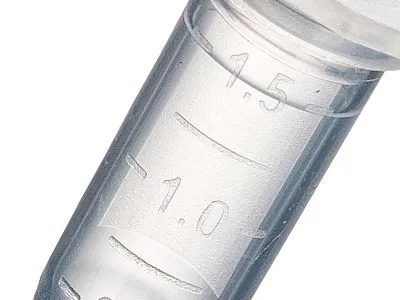
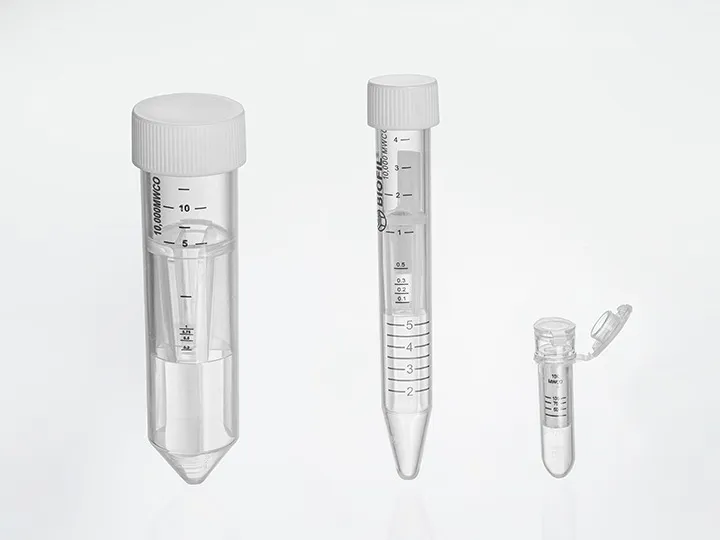
| Centrifuge tubes | Leakage, RCF rating, clarity, graduation | Confirm 15ml, 50ml, and microtube specifications. |
| Cryogenic vials | Low-temperature storage and cap seal | Check storage rating, writing area, and packaging. |
| Cell culture supplies | Sterility, surface treatment, growth area | Confirm treated/non-treated surfaces and gamma irradiation. |
| Gloves and PPE | Material, size, standards, packaging | Compare latex, nitrile, masks, and OEM carton options. |
OBObio’s product direction covers both laboratory plasticware and laboratory PPE products, which helps distributors discuss mixed supply plans instead of sourcing every item separately.
How Should Buyers Test Quality Before Bulk Orders?
Buyers should test supplier quality with approved samples, specification comparison, packaging inspection, documentation review, and small trial orders. The most important question is whether the final shipment matches the approved sample in material, appearance, packaging, and performance.
Quality evaluation should be practical. A distributor does not need to build a full laboratory testing program before every order, but the buyer should still confirm basic details. For plasticware, check clarity, cap fit, leakage risk, flash, deformation, printing quality, and carton strength. For gloves, check size, texture, thickness, elasticity, and box labeling.
Samples should be labeled and saved. When the bulk shipment arrives, compare random units with the approved sample. This simple habit helps detect changes in color, wall thickness, cap fit, print quality, or packaging layout.
What Documents Should A Lab Consumables Supplier Provide?
A professional supplier should provide product specifications, material information, packaging details, relevant certificates, sterilization information where applicable, and export documents. The exact document list depends on the product type, market, and whether the buyer sells to hospitals, labs, or distributors.
Document readiness is often where weak suppliers fail. A low price is not useful if the buyer cannot answer customer questions about material, sterility, shelf life, or packaging. Distributors serving hospitals and research institutions should collect documentation before they promote the product.
| Document | Useful For | Buyer Note |
|---|---|---|
| Product specification sheet | Catalog, quotation, tender | Should include material, size, packaging, and storage information. |
| Certificate or compliance statement | Institutional buyers | Claims must match product grade and market requirement. |
| Sterilization information | Sterile lab consumables | Ask about gamma irradiation or other validated processes where relevant. |
| Carton details | Freight and warehouse planning | Confirm quantity, dimensions, and gross weight. |
| OEM packaging proof | Private label projects | Approve artwork before mass production. |
How Should Distributors Compare MOQ, Lead Time, And Price?
Distributors should compare MOQ, lead time, and price together instead of treating unit price as the only decision. A slightly higher price may be better if the supplier offers mixed cartons, stable repeat orders, practical sample support, and faster communication.
MOQ affects cash flow. Lead time affects stockouts. Price affects margin. These three factors must be balanced. A new distributor may prefer a manageable trial order to test customer demand, while an established distributor may focus on container-level pricing and private label packaging.
Ask whether the supplier supports mixed items in one shipment. For example, a distributor may combine disposable micropipette tips, centrifuge tubes, gloves, and petri dishes into one order. Mixed purchasing can reduce communication work and improve inventory breadth.
Buyer Scenario: A Distributor Building A Lab Consumables Catalog
A distributor building a catalog should start with repeat-demand products, approve samples, standardize carton data, and create a clear product list before ordering private label packaging. The first goal is dependable product-market fit, not the biggest possible first shipment.
Imagine a distributor preparing a new laboratory supplies catalog for universities and diagnostic labs. The buyer wants pipette tips, centrifuge tubes, cryogenic vials, gloves, and petri dishes. Instead of asking only for the lowest price, the distributor should request a product matrix with specifications, sample availability, MOQ, carton details, and document status.
After sample approval, the distributor can decide which items deserve private label packaging. Some high-volume products may need branded boxes, while lower-volume items can remain in standard export packaging at the beginning.
How Can Buyers Reduce Communication Risk With A New Supplier?
Buyers can reduce communication risk by sending a structured product list, asking suppliers to confirm every specification in writing, and keeping one approved quotation sheet for each item. Clear written confirmation prevents confusion over sizes, sterility, packaging, carton quantity, and private label details.
Many sourcing mistakes happen because both sides assume the other side understands the product. A buyer may say “sterile tubes” without defining volume, cap type, packaging, RCF rating, or whether bulk bags or racks are required. A supplier may quote a standard item that is technically similar but not suitable for the buyer’s customer.
The better method is to create a simple comparison sheet. List product name, material, size, sterility, packaging, carton quantity, required documents, target quantity, and destination country. Ask each supplier to complete the same sheet. This makes quotations easier to compare and reduces the chance that a low price is based on a weaker specification.
What Red Flags Should Distributors Avoid?
Distributors should be careful with suppliers that avoid specification details, cannot provide samples, change prices without explaining specification changes, or cannot confirm packaging and document requirements. These red flags often become customer complaints after the first shipment arrives.
A supplier may still be legitimate but unsuitable for distributor supply if communication is vague. For example, if a supplier cannot explain whether a pipette tip is filtered, sterile, low-retention, or compatible with common pipette brands, the buyer will struggle to sell confidently. If carton data changes after payment, freight planning may also become unreliable.
Buyers should also avoid overpromised compliance claims. If a product is described as certified, the supplier should be able to provide the relevant document and explain what the certificate actually covers. Responsible sourcing language protects both buyer and supplier.
FAQ: Evaluating A China Lab Consumables Supplier
Should distributors choose the lowest-price supplier?
No. The lowest price can become expensive if specifications change, packaging is weak, documents are missing, or communication is slow. Distributors should compare total sourcing reliability.
What is the best first order size?
The best first order depends on demand, MOQ, and product mix. Many buyers start with samples or a trial order before moving to larger repeat shipments.
Can a supplier support OEM packaging?
Yes, many suppliers can support private label boxes, carton marks, barcodes, and label language. Buyers should confirm MOQ, artwork proofing, and lead time before production.
Which documents matter most?
Product specifications, packaging details, material information, certificates where applicable, and sterilization information are usually the most important for distributor sales.
SEO Summary
Distributors should evaluate a China lab consumables supplier by product range, documentation, sample consistency, MOQ, lead time, packaging control, and repeat-order reliability. The best supplier helps buyers build stable catalog lines and reduce sourcing risk.
Request Supplier Evaluation Support
Send OBObio your target product list, quantity, destination country, packaging needs, and documentation requirements. OBObio can help compare lab consumables, PPE, and OEM packaging options for distributor purchasing programs.
Request Pricing or Samples
Tell us the product type, quantity, destination country, and any packaging or certification requirements. OBObio will reply with suitable lab consumables options.