
Disposable flask gas exchange membranes are specialized filtration systems that allow controlled gas transfer while preventing contamination in cell culture applications. These membranes use 0.22μm hydrophobic filters to maintain sterile conditions while ensuring optimal oxygen and carbon dioxide exchange for cellular growth.
What makes disposable flask gas exchange membranes so crucial for modern laboratories? Moreover, how do these innovative filtration systems revolutionize cell culture efficiency while maintaining the highest sterility standards?
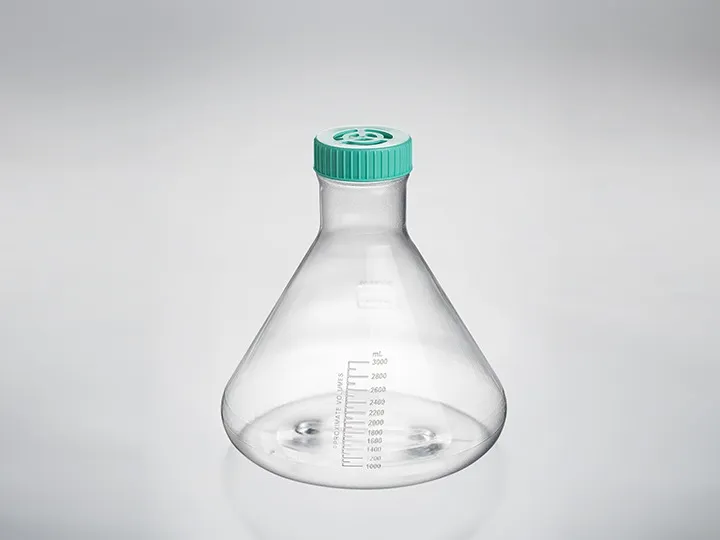
Quick Reference: Key Benefits of Disposable Flask Gas Exchange Membranes
| Feature | Benefit | Laboratory Impact |
|---|---|---|
| Gas Exchange Rate | 0.22μm pore size | Optimal CO₂/O₂ balance |
| Contamination Prevention | 99.9% filtration efficiency | Sterile culture maintenance |
| Cost Efficiency | 40-60% lower than reusables | Reduced operational costs |
| Market Growth | 7.4% CAGR through 2034 | Growing laboratory adoption |
| Membrane Material | PTFE/Hydrophobic filters | Superior durability |
How Do Disposable Flask Gas Exchange Membranes Work?
Disposable flask gas exchange membranes operate through hydrophobic filtration technology that selectively allows gas molecules to pass while blocking liquid contaminants and microorganisms. The 0.22μm pore size creates an effective barrier against bacteria and fungi while maintaining essential gas flow.
The membrane technology works on the principle of selective permeability. Furthermore, the hydrophobic nature of the membrane surface repels water-based contaminants while allowing gas exchange. Consequently, your cell cultures receive the necessary atmospheric conditions without compromising sterility.
These membranes typically integrate into disposable culture flasks through specialized cap designs. Additionally, the membrane material often consists of PTFE (polytetrafluoroethylene) or similar hydrophobic polymers that resist chemical degradation.
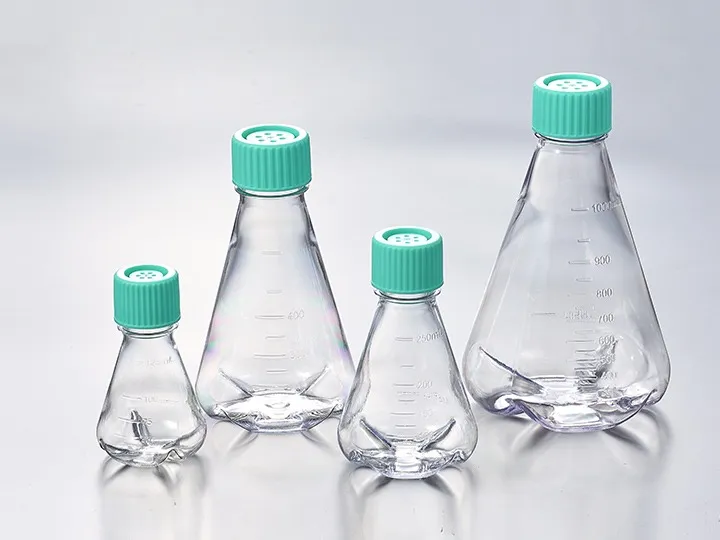
What Are the Key Benefits of Gas Exchange Membranes?
Gas exchange membranes provide three primary benefits: contamination prevention, optimal cell growth conditions, and cost-effective laboratory operations. These membranes reduce contamination risks by up to 99.9% while maintaining the precise gas exchange rates required for healthy cell proliferation.
The primary advantage lies in contamination control. Subsequently, laboratories experience significantly fewer culture losses due to microbial contamination. Meanwhile, the controlled gas exchange ensures that cells receive adequate oxygen levels while removing excess carbon dioxide.
Cost benefits are equally important. Therefore, many laboratories report 40-60% savings compared to traditional glass culture systems. Furthermore, the disposable nature eliminates cleaning and sterilization costs associated with reusable equipment.
Research published in the National Center for Biotechnology Information demonstrates that gas-permeable flasks can rescue poor cell growth and maintain clonal diversity while supporting improved mitochondrial function. This evidence highlights the superior performance of membrane-equipped flasks in challenging cell culture applications.
Which Industries Benefit Most from This Technology?
Pharmaceutical, biotechnology, and academic research institutions represent the largest consumers of disposable flask gas exchange membranes. The global gas separation membrane market is projected to reach $2.01 billion by 2034, growing at a 7.4% CAGR.
Pharmaceutical companies utilize these membranes extensively for drug development and testing. Additionally, biotechnology firms rely on this technology for protein production and genetic engineering applications. Academic institutions also benefit from the cost-effectiveness and reliability of disposable systems.
The market data reveals significant growth potential. The worldwide market for gas separation membranes is estimated to reach US$ 986.4 million in 2024, with demand projected to reach US$ 2.01 billion by 2034. This growth reflects increasing adoption across various laboratory applications.
Cell culture applications continue expanding as research becomes more sophisticated. Moreover, the trend toward single-use laboratory equipment drives membrane technology advancement.
How to Select the Right Gas Exchange Membrane?
Selecting appropriate gas exchange membranes requires evaluating pore size, membrane material, chemical compatibility, and flow rates. Standard 0.22μm pore sizes work for most applications, while specialized cultures may require different specifications.
Pore size represents the most critical factor. Typically, 0.22μm provides optimal bacterial filtration while allowing adequate gas flow. However, some applications may require 0.1μm for enhanced sterility or larger pores for increased gas exchange rates.
Material compatibility is equally important. PTFE membranes offer excellent chemical resistance and long-term stability. Alternatively, polysulfone membranes provide different performance characteristics suitable for specific applications.
Consider these key selection criteria:
- Application type: Different cell lines have varying gas exchange requirements
- Volume capacity: Larger cultures need membranes with higher flow rates
- Chemical exposure: Some experiments involve harsh chemicals requiring specialized materials
- Budget constraints: Balance performance needs with cost considerations
- Regulatory requirements: Some applications demand specific certifications
What Quality Standards Should You Expect?
High-quality disposable flask gas exchange membranes should meet ISO 11137 sterilization standards and provide validated filtration efficiency data. Reputable manufacturers provide certificate of analysis documents confirming sterility and performance specifications.
ISO 11137 certification ensures proper sterilization validation. Additionally, look for membranes that undergo electron beam sterilization, which provides superior sterility assurance compared to other methods. Furthermore, quality membranes include batch-specific documentation.
Performance validation should include bubble point testing and bacterial retention studies. Moreover, reliable suppliers provide detailed specifications for gas flow rates and pressure differentials. Laboratory consumables from China often meet international quality standards when sourced from reputable manufacturers.
At OBObio, we ensure all our laboratory consumables meet stringent quality requirements. Subsequently, our membrane products undergo rigorous testing to guarantee consistent performance.
Common Applications and Use Cases
Disposable flask gas exchange membranes find primary applications in mammalian cell culture, microbial fermentation, and tissue engineering research. These applications benefit from the sterile gas exchange capabilities essential for successful cell growth and maintenance.
Mammalian cell culture represents the largest application area. These cultures require precise CO₂ levels (typically 5%) and adequate oxygen supply. Therefore, gas exchange membranes provide the controlled environment necessary for optimal cell growth.
Microbial fermentation applications utilize membranes for aerobic cultivation processes. Additionally, the membranes prevent contamination while allowing necessary gas exchange for metabolic processes. This application is particularly important in pharmaceutical manufacturing.
Tissue engineering research relies heavily on membrane technology. Furthermore, these applications often involve complex culture conditions that benefit from precise gas control. Single-use tissue culture flasks equipped with gas exchange membranes provide optimal conditions for tissue development.
Popular external resources for additional information include:
- Thermo Fisher Scientific Cell Culture Guidelines
- National Institute of Health Cell Culture Protocols
- American Type Culture Collection Resources
Installation and Best Practices
Proper installation of gas exchange membranes requires sterile technique and careful handling to maintain membrane integrity. Always check membrane sealing before use and avoid excessive pressure that could damage the filtration material.
Installation typically involves simple cap attachment to culture flasks. However, maintain sterile conditions throughout the process to prevent contamination. Additionally, inspect membranes for visible damage before installation.
Operating pressure limitations are crucial considerations. Most membranes operate effectively under normal atmospheric pressure variations. However, excessive positive or negative pressure can compromise membrane integrity.
Best practices include:
- Regular inspection: Check for membrane damage during culture monitoring
- Proper storage: Store unused membranes in sterile, dry conditions
- Handling precautions: Use sterile technique when installing or replacing membranes
- Documentation: Record membrane lot numbers for traceability
- Training: Ensure all staff understand proper installation procedures
Troubleshooting Common Issues
Common gas exchange membrane problems include reduced gas flow, membrane wetting, and premature clogging. These issues typically result from improper handling, chemical incompatibility, or manufacturing defects.
Reduced gas flow often indicates membrane clogging or damage. Initially, check for visible membrane damage or contamination. Subsequently, verify that the membrane material is compatible with your culture conditions.
Membrane wetting represents another frequent issue. This occurs when liquid contacts the hydrophobic membrane surface, blocking gas exchange. Therefore, ensure proper flask positioning and avoid overfilling culture vessels.
If problems persist, consider these solutions:
- Membrane replacement: Fresh membranes often resolve flow issues
- Culture volume adjustment: Reduce liquid levels to prevent membrane contact
- Environmental factors: Check incubator humidity and temperature settings
- Chemical compatibility: Verify membrane material compatibility with culture media
- Quality assessment: Contact suppliers for technical support and quality verification
Cost Analysis and ROI Considerations
Disposable flask gas exchange membranes typically cost 40-60% less than equivalent reusable systems when considering total ownership costs. The ROI calculation should include labor savings, reduced contamination losses, and eliminated cleaning/sterilization expenses.
Direct cost comparisons often favor disposable systems. While individual units cost more than reusable alternatives, the total cost of ownership is significantly lower. Moreover, eliminated cleaning and sterilization steps reduce labor requirements substantially.
Contamination prevention provides substantial cost savings. Therefore, laboratories report fewer culture losses and reduced material waste. Additionally, the predictable nature of disposable costs simplifies budget planning.
Consider these financial factors:
- Initial investment: Lower upfront costs compared to reusable systems
- Operating expenses: Reduced labor and utility costs
- Risk mitigation: Lower contamination-related losses
- Scalability: Easy capacity expansion without capital investment
- Maintenance costs: Virtually eliminated with disposable systems
Many laboratories find that wholesale lab supplies provide additional cost advantages through volume purchasing agreements.
Future Trends and Innovations
Gas exchange membrane technology continues evolving with smart sensors, biodegradable materials, and enhanced filtration capabilities. Future innovations will likely include real-time gas monitoring and automated culture management systems.
Smart membrane technology represents an emerging trend. These systems incorporate sensors that monitor gas flow rates and membrane integrity in real-time. Consequently, laboratories can optimize culture conditions automatically.
Biodegradable membrane materials address environmental concerns associated with disposable laboratory equipment. Furthermore, these materials maintain performance while reducing environmental impact.
Advanced filtration capabilities continue improving. Therefore, new membrane materials offer enhanced selectivity and longer service life. Additionally, multi-layer membrane designs provide superior performance characteristics.
Integration with laboratory automation systems will likely expand. Moreover, membrane technology will become increasingly compatible with robotic culture management systems.
Regulatory Compliance and Safety
Gas exchange membranes used in pharmaceutical and medical applications must comply with FDA, EMA, and other regulatory requirements. Proper documentation and validated manufacturing processes are essential for regulatory approval.
FDA compliance requires extensive documentation of manufacturing processes and quality control measures. Additionally, pharmaceutical applications demand validated sterility testing and batch release procedures.
International standards such as ISO 13485 apply to medical device applications. Furthermore, Good Manufacturing Practice (GMP) requirements govern production facilities and quality systems.
Safety considerations include:
- Material safety: Ensure membrane materials are biocompatible
- Sterility assurance: Maintain validated sterilization processes
- Quality documentation: Provide comprehensive certificates of analysis
- Traceability: Maintain complete batch records and change control
- Validation studies: Conduct appropriate performance and safety testing
Working with established suppliers like OBObio ensures compliance with relevant regulations. Our laboratory supply expertise helps navigate complex regulatory requirements.
Environmental Impact and Sustainability
While disposable membranes generate more waste than reusable alternatives, their overall environmental impact is often lower due to reduced energy consumption for cleaning and sterilization. Life cycle assessments show 20-30% lower carbon footprints in many applications.
Energy consumption represents a significant environmental factor. Traditional glass systems require extensive cleaning, sterilization, and quality control processes that consume substantial energy. Conversely, disposable systems eliminate these energy-intensive steps.
Water usage also favors disposable systems. Cleaning and sterilization processes consume large quantities of purified water. Therefore, disposable membranes reduce overall water consumption in many laboratory settings.
Waste management strategies are evolving rapidly. Many membrane materials are now recyclable through specialized programs. Additionally, biodegradable options are becoming commercially available.
Supplier Selection and Procurement
Choosing reliable gas exchange membrane suppliers requires evaluating quality certifications, technical support capabilities, and supply chain reliability. Established suppliers should provide comprehensive documentation and responsive customer service.
Quality certifications represent the foundation of supplier evaluation. Look for ISO 9001 quality management systems and ISO 13485 medical device certifications. Additionally, verify that suppliers maintain appropriate regulatory approvals.
Technical support capabilities are equally important. Reliable suppliers provide application guidance, troubleshooting assistance, and custom solution development. Furthermore, they should offer training resources and documentation.
Supply chain reliability ensures consistent product availability. Therefore, evaluate suppliers’ manufacturing capacity, inventory management, and distribution capabilities. Reliable laboratory suppliers maintain strategic inventory levels and backup production facilities.
OBObio offers comprehensive support for gas exchange membrane applications. Our technical team provides application guidance and troubleshooting assistance. Moreover, we maintain strategic inventory levels to ensure consistent product availability.
Conclusion: Maximizing Laboratory Efficiency with Gas Exchange Membranes
Disposable flask gas exchange membranes represent a transformative technology for modern laboratory operations. These innovative filtration systems provide superior contamination control while maintaining optimal cell culture conditions. Furthermore, the cost-effectiveness and reliability of membrane technology make it an essential component of efficient laboratory operations.
The growing market demand, projected to reach $2.01 billion by 2034, reflects the increasing adoption of this technology across pharmaceutical, biotechnology, and research applications. Moreover, continuous innovations in membrane materials and smart monitoring systems promise even greater benefits in the future.
Ready to optimize your laboratory’s cell culture operations? Contact OBObio today to discuss your specific gas exchange membrane requirements. Our technical experts will help you select the ideal membrane solution for your applications while ensuring compliance with all relevant quality standards.
Visit our products page to explore our complete range of laboratory consumables, or learn more about our cell culture solutions to enhance your research capabilities. Take advantage of our expertise in laboratory supply sourcing to streamline your procurement processes and reduce costs.
Don’t let outdated culture systems limit your research potential. Upgrade to advanced gas exchange membrane technology today and experience the benefits of improved efficiency, reduced contamination, and enhanced research outcomes.
Buyer Quick Reference for How Gas Exchange Membranes Improve Disposable Cell Culture Flasks
For B2B buyers, How Gas Exchange Membranes Improve Disposable Cell Culture Flasks should be evaluated by application fit, material, sterility, packaging, documentation, reorder stability, and supplier communication. The best choice is the product that protects lab workflow reliability while remaining practical for repeated purchasing.
| Buying Factor | What to Check | Why It Matters |
|---|---|---|
| Application fit | Match the product to research, diagnostic, hospital, biotech, food testing, or distributor use. | Prevents overbuying, under-specifying, or selecting a format that does not fit the workflow. |
| Material and design | Confirm resin, surface, cap, seal, size, compatibility, and handling details. | Small specification differences can affect accuracy, contamination control, or user acceptance. |
| Sterility and cleanliness | Check sterile, non-sterile, DNase/RNase-free, non-pyrogenic, or gamma-irradiated options where relevant. | Cleanliness requirements vary widely between routine teaching labs and sensitive molecular or cell culture work. |
| Packaging | Review bagged, racked, individually wrapped, bulk carton, and OEM/private label options. | Packaging affects workflow speed, storage space, shipping cost, and distributor resale. |
| Supplier support | Ask for samples, product codes, carton details, lead time, MOQ, and repeat-order consistency. | Reliable supply is essential for labs that cannot pause work because a consumable is out of stock. |
How This Product Fits OBObio Lab Consumables Sourcing
OBObio positions this topic within a broader laboratory consumables sourcing plan, including cell culture flasks, shake flasks, culture bottles, treated surfaces, vented caps, and sterile cultureware. Buyers can use one supplier conversation to compare related products, packaging formats, and sample options.
For laboratories, this reduces the risk of mismatched supplies. For distributors, it helps build a more complete catalog with consistent documentation and packaging. For first-time buyers, the practical path is to request samples, test the product in the real workflow, and then confirm carton quantity, lead time, and repeat-order pricing.
When sending an inquiry, include the application, expected quantity, destination country, sterile requirement, packaging preference, and any certification or documentation needs. Clear requirements help OBObio recommend the right product faster instead of giving a generic quote.
Supplier Evaluation Checklist
- Does the supplier understand the real laboratory application, not only the product name?
- Can the supplier provide samples before a bulk order?
- Are product specifications, carton quantity, MOQ, and lead time clear?
- Can the supplier support related consumables for one-stop procurement?
- Is OEM or private label packaging available for distributors?
- Can the same specification be supplied consistently for repeat orders?
FAQ: How Gas Exchange Membranes Improve Disposable Cell Culture Flasks
What should buyers check first?
Buyers should first define the application, required specification, sterility level, packaging format, and expected order quantity. These details determine whether a standard item is enough or whether a more specific supply option is needed.
Is the lowest price always the best option?
No. For laboratory consumables, product failure, contamination, leakage, poor fit, or unstable supply can cost more than a small unit-price difference. Buyers should balance price with consistency, documentation, and supplier responsiveness.
Can distributors request OEM packaging?
Yes. Many distributors need private label cartons, product labels, and stable carton specifications. MOQ, artwork, label language, and lead time should be confirmed before placing the first bulk order.
Why work with a broader
A broader supplier can help buyers coordinate related products, reduce communication work, consolidate shipments, and build a more reliable procurement plan for routine lab operations.

Request Pricing or Samples
Tell us the product type, quantity, destination country, and any packaging or certification requirements. OBObio will reply with suitable lab consumables options.