
A sterile centrifuge tube is a contamination-free laboratory vessel designed for separating samples through high-speed rotation while maintaining sample integrity. These specialized tubes eliminate microbial contamination risks, making them essential for clinical diagnostics, pharmaceutical research, and biotechnology applications. Therefore, understanding their proper selection and use is crucial for laboratory professionals. But what makes sterile centrifuge tubes different from regular laboratory tubes?
Quick Reference: Sterile Centrifuge Tube Market Statistics
| Market Metric | 2025 Data | 2032 Projection |
|---|---|---|
| Global Market Value | $1.93 billion | $4.93 billion |
| Market Share (Sterile vs Non-sterile) | 58.5% sterile | Growing dominance |
| CAGR Growth Rate | 4.5% | Steady expansion |
| Key Material | Polypropylene | 70% market share |
| Primary Applications | Clinical, Pharmaceutical, Research | Expanding biotechnology |
What Makes Sterile Centrifuge Tubes Essential for Modern Laboratories?
Sterile centrifuge tubes provide contamination-free sample processing through gamma irradiation or ethylene oxide sterilization methods, ensuring reliable results in critical research applications. Moreover, these tubes undergo rigorous quality control testing to meet bioanalytical-grade requirements. Additionally, they maintain consistent biological and physical properties throughout the centrifugation process.
The importance of sterile centrifuge tubes has grown significantly in recent years. Furthermore, sterile centrifuge tubes are projected to account for 58.5% of the market revenue in 2025, maintaining their leading position. This dominance stems from increasing requirements for contamination-free sample handling across various industries.
Key advantages include:
- Zero contamination risk through validated sterilization processes
- Superior sample integrity during high-speed centrifugation
- Regulatory compliance for clinical and pharmaceutical applications
- Extended shelf life with proper storage conditions
Which Materials Are Best for Sterile Centrifuge Tubes?
Polypropylene remains the preferred material for sterile centrifuge tubes due to its excellent chemical resistance, thermal stability, and ability to withstand high centrifugal forces. In fact, polypropylene accounts for approximately 70% of the sterile centrifuge tube market. However, other materials serve specific applications effectively.
Material Comparison Chart
| Material | Temperature Range | Chemical Resistance | Centrifuge Speed | Best Applications |
|---|---|---|---|---|
| Polypropylene | -80°C to 121°C | Excellent | Up to 16,000 RCF | General lab use, autoclaving |
| Polycarbonate | -50°C to 135°C | Good | Up to 20,000 RCF | High-speed applications |
| Glass | -196°C to 500°C | Superior | Moderate speeds | Chemical analysis |
| Polyethylene | -70°C to 80°C | Good | Low to moderate | Basic separations |
For autoclaving (121°C) or high-temperature centrifugation, polypropylene or glass tubes are preferred due to their thermal stability. Meanwhile, cryogenic storage applications require specialized polymer compositions.
Additionally, you can explore our comprehensive centrifuge tubes guide for detailed material specifications.
How Do You Choose the Right Sterile Centrifuge Tube Size?
Selecting the appropriate tube size depends on sample volume, centrifuge capacity, and specific application requirements, with common sizes ranging from 1.5mL to 50mL. Therefore, matching tube capacity to sample volume prevents overflow and ensures optimal separation results.
Standard Size Applications
Microcentrifuge tubes (1.5-2.0mL):
- DNA/RNA extractions
- Protein purifications
- Small-volume clinical samples
- PCR preparations
Mid-range tubes (5-15mL):
- Cell culture harvesting
- Bacterial cultures
- Serum separations
- Pharmaceutical testing
Large tubes (25-50mL):
- Cell pellet collections
- Large-volume separations
- Industrial applications
- Research sample processing
Moreover, proper tube selection significantly impacts separation efficiency. Furthermore, our laboratory consumables guide provides detailed sizing recommendations for various applications.
What Are the Key Quality Standards for Sterile Centrifuge Tubes?
Sterile centrifuge tubes must meet USP Class VI biocompatibility standards, undergo validated sterilization processes, and maintain sterility assurance levels of 10^-6. These stringent requirements ensure patient safety and research reliability. Additionally, regulatory compliance varies by application and geographic region.
Essential Quality Certifications
Sterilization Methods:
- Gamma irradiation: Most common method for single-use tubes
- Ethylene oxide: Alternative for heat-sensitive materials
- Autoclave compatibility: For reusable applications
- Beta irradiation: Specialized applications
Testing Requirements:
- Biocompatibility testing per ISO 10993
- Endotoxin testing (≤0.25 EU/mL)
- Sterility assurance validation
- Physical property verification
Falcon® Conical Centrifuge Tubes meet bioanalytical-grade requirements and provide unsurpassed performance in critical research applications. Similarly, all quality tubes undergo rigorous testing protocols.
For sourcing reliable suppliers, consider our complete guide to choosing centrifuge tube suppliers.
Which Industries Rely Most on Sterile Centrifuge Tubes?
Clinical diagnostics, pharmaceutical research, and biotechnology companies represent the largest consumers of sterile centrifuge tubes, driven by stringent contamination control requirements. These industries collectively account for over 75% of global sterile centrifuge tube consumption.
Market Applications by Industry
Healthcare & Clinical Diagnostics (35% market share):
- Blood banking and serology
- Microbiology testing
- Clinical chemistry analysis
- Pathology laboratories
Pharmaceutical Industry (25% market share):
- Drug development and testing
- Quality control processes
- Regulatory compliance testing
- Bioanalytical research
Biotechnology Sector (20% market share):
- Cell culture applications
- Protein purification
- Genomics research
- Vaccine development
Academic Research (15% market share):
- University laboratories
- Government research facilities
- Non-profit research institutions
The global sterile microcentrifuge tube market, valued at $72.3 million in 2025, is projected to experience steady growth, driven by the expanding healthcare and life sciences sectors.
For comprehensive laboratory supply solutions, visit our products page to explore our sterile centrifuge tube offerings.
How Should You Store and Handle Sterile Centrifuge Tubes?
Proper storage requires maintaining sterile packaging integrity, controlling temperature and humidity, and following FIFO (first-in, first-out) inventory rotation principles. Therefore, establishing standard operating procedures ensures tube sterility throughout their shelf life.
Storage Best Practices
Environmental Controls:
- Temperature: 15-25°C (59-77°F)
- Relative humidity: 30-70%
- Protection from direct sunlight
- Clean, dry storage areas
Handling Procedures:
- Use aseptic techniques when opening packages
- Avoid touching tube interiors
- Check packaging integrity before use
- Document lot numbers for traceability
Inventory Management:
- Rotate stock using FIFO method
- Monitor expiration dates regularly
- Maintain proper storage conditions
- Train staff on handling procedures
Additionally, our disposable lab supplies guide provides comprehensive storage recommendations.
What Common Problems Occur with Sterile Centrifuge Tubes?
The most frequent issues include tube cracking under high centrifugal forces, cap leakage during processing, and contamination from improper handling procedures. However, these problems are preventable through proper tube selection and handling techniques.
Troubleshooting Common Issues
Tube Cracking or Breaking:
- Cause: Exceeding recommended RCF limits
- Solution: Verify centrifuge speed compatibility
- Prevention: Use appropriate tube materials
Cap Leakage:
- Cause: Improper cap sealing or worn threads
- Solution: Check cap alignment and tightness
- Prevention: Inspect caps before use
Cross-contamination:
- Cause: Poor aseptic technique
- Solution: Review handling procedures
- Prevention: Staff training and SOPs
Sample Loss:
- Cause: Tube overfilling or incorrect balancing
- Solution: Follow volume guidelines
- Prevention: Proper centrifuge loading
For additional laboratory consumable guidance, explore our lab consumables sourcing guide.
What Innovations Are Shaping Sterile Centrifuge Tubes?
Recent innovations include improved cap designs reducing cross-threading, enhanced graduation markings for accuracy, and sustainable packaging materials addressing environmental concerns. Furthermore, manufacturers continue developing specialized tubes for emerging applications.
Latest Technology Advances
Design Improvements:
- Double-threaded caps for secure sealing
- Low-retention surfaces minimizing sample loss
- Improved graduation clarity for precise measurements
- Ergonomic designs reducing handling fatigue
Material Innovations:
- Bio-based plastics for sustainability
- Enhanced chemical resistance formulations
- Improved clarity for visual inspection
- Temperature-stable polymers for extreme conditions
Manufacturing Advances:
- Automated quality control systems
- Enhanced sterilization validation
- Reduced packaging waste
- Improved shelf-life stability
Moreover, the centrifuge tubes market was valued at USD 1.93 Billion in 2023 and is projected to reach USD 4.93 Billion by 2030, growing at a CAGR of 4.5%. This growth drives continued innovation.
For cutting-edge laboratory equipment, consider our cell culture flasks and other advanced laboratory solutions.
Frequently Asked Questions About Sterile Centrifuge Tubes
Can sterile centrifuge tubes be autoclaved after use?
Most polypropylene sterile centrifuge tubes can withstand autoclaving at 121°C for 15-20 minutes. However, repeated autoclaving may degrade tube integrity. Therefore, single-use applications are recommended for critical work.
What’s the difference between RNase-free and sterile tubes?
Sterile tubes eliminate microbial contamination, while RNase-free tubes specifically remove ribonuclease enzymes that degrade RNA. Many tubes offer both features for molecular biology applications.
How long do sterile centrifuge tubes remain sterile?
Properly stored sterile centrifuge tubes typically maintain sterility for 2-5 years from manufacture date. However, package integrity determines actual sterility duration.
Are all sterile centrifuge tubes single-use only?
While most sterile centrifuge tubes are designed for single use, some specialized glass tubes can be re-sterilized and reused. Always follow manufacturer recommendations for reuse protocols.
What certifications should I look for?
Look for ISO 13485, USP Class VI, and specific sterilization validation certificates. Additionally, FDA registration may be required for clinical applications.
For expert guidance on laboratory supplies, explore our lab supply company guide.
Industry Resources and Standards
For comprehensive information on centrifuge tube standards and best practices, consider these authoritative resources:
- ISO 10993 – Biological evaluation of medical devices
- CLSI Standards – Clinical Laboratory Standards Institute guidelines
- FDA Guidance – Medical device regulations and compliance
- ASTM International – Material testing standards and specifications
Additionally, our applications page showcases various sterile centrifuge tube applications across different industries.
Conclusion: Choose the Right Sterile Centrifuge Tubes for Your Laboratory
Sterile centrifuge tubes represent a critical component of modern laboratory operations. Therefore, selecting the appropriate tubes ensures sample integrity, regulatory compliance, and reliable results. Moreover, understanding material properties, size requirements, and quality standards enables informed purchasing decisions.
The growing market demand, driven by expanding biotechnology and pharmaceutical sectors, continues pushing innovation in sterile centrifuge tube technology. Furthermore, proper storage, handling, and quality control procedures maximize tube performance and laboratory efficiency.
Ready to upgrade your laboratory’s sterile centrifuge tube inventory? Contact OBO Biology Tech today for expert consultation on selecting the perfect sterile centrifuge tubes for your specific applications. Our experienced team provides comprehensive support, from initial selection through ongoing technical assistance.
Take action now: Visit our lab consumables section to explore our complete range of sterile centrifuge tubes and request a customized quote for your laboratory needs. Additionally, subscribe to our newsletter for the latest updates on laboratory consumable innovations and industry best practices.
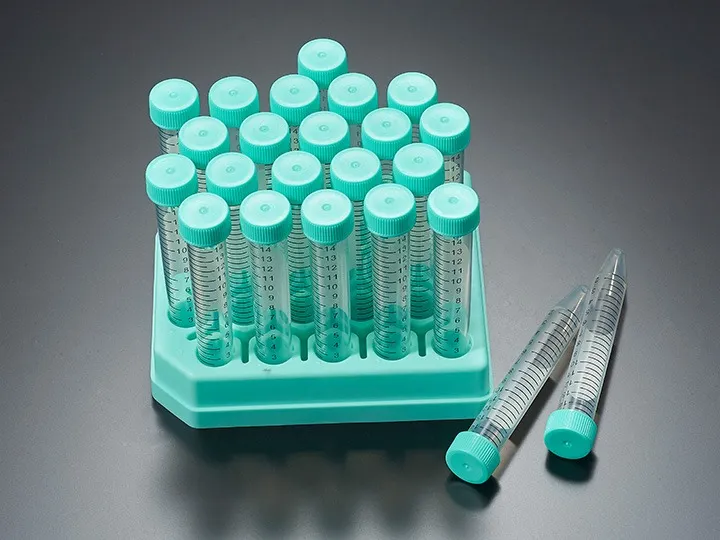
Buyer Quick Reference for How to Choose Sterile Centrifuge Tube: Essential Laboratory Equipment Guide for Modern Research for Sample Preparation and Storage
For B2B buyers, How to Choose Sterile Centrifuge Tube: Essential Laboratory Equipment Guide for Modern Research for Sample Preparation and Storage should be evaluated by application fit, material, sterility, packaging, documentation, reorder stability, and supplier communication. The best choice is the product that protects lab workflow reliability while remaining practical for repeated purchasing.
| Buying Factor | What to Check | Why It Matters |
|---|---|---|
| Application fit | Match the product to research, diagnostic, hospital, biotech, food testing, or distributor use. | Prevents overbuying, under-specifying, or selecting a format that does not fit the workflow. |
| Material and design | Confirm resin, surface, cap, seal, size, compatibility, and handling details. | Small specification differences can affect accuracy, contamination control, or user acceptance. |
| Sterility and cleanliness | Check sterile, non-sterile, DNase/RNase-free, non-pyrogenic, or gamma-irradiated options where relevant. | Cleanliness requirements vary widely between routine teaching labs and sensitive molecular or cell culture work. |
| Packaging | Review bagged, racked, individually wrapped, bulk carton, and OEM/private label options. | Packaging affects workflow speed, storage space, shipping cost, and distributor resale. |
| Supplier support | Ask for samples, product codes, carton details, lead time, MOQ, and repeat-order consistency. | Reliable supply is essential for labs that cannot pause work because a consumable is out of stock. |
How This Product Fits OBObio Lab Consumables Sourcing
OBObio positions this topic within a broader laboratory consumables sourcing plan, including centrifuge tubes, microcentrifuge tubes, cryogenic vials, sample storage tubes, and tube racks. Buyers can use one supplier conversation to compare related products, packaging formats, and sample options.
For laboratories, this reduces the risk of mismatched supplies. For distributors, it helps build a more complete catalog with consistent documentation and packaging. For first-time buyers, the practical path is to request samples, test the product in the real workflow, and then confirm carton quantity, lead time, and repeat-order pricing.
When sending an inquiry, include the application, expected quantity, destination country, sterile requirement, packaging preference, and any certification or documentation needs. Clear requirements help OBObio recommend the right product faster instead of giving a generic quote.
Supplier Evaluation Checklist
- Does the supplier understand the real laboratory application, not only the product name?
- Can the supplier provide samples before a bulk order?
- Are product specifications, carton quantity, MOQ, and lead time clear?
- Can the supplier support related consumables for one-stop procurement?
- Is OEM or private label packaging available for distributors?
- Can the same specification be supplied consistently for repeat orders?
FAQ: How to Choose Sterile Centrifuge Tube: Essential Laboratory Equipment Guide for Modern Research for Sample Preparation and Storage
What should buyers check first?
Buyers should first define the application, required specification, sterility level, packaging format, and expected order quantity. These details determine whether a standard item is enough or whether a more specific supply option is needed.
Is the lowest price always the best option?
No. For laboratory consumables, product failure, contamination, leakage, poor fit, or unstable supply can cost more than a small unit-price difference. Buyers should balance price with consistency, documentation, and supplier responsiveness.
Can distributors request OEM packaging?
Yes. Many distributors need private label cartons, product labels, and stable carton specifications. MOQ, artwork, label language, and lead time should be confirmed before placing the first bulk order.
Why work with a broader
A broader supplier can help buyers coordinate related products, reduce communication work, consolidate shipments, and build a more reliable procurement plan for routine lab operations.
Request Pricing or Samples
Tell us the product type, quantity, destination country, and any packaging or certification requirements. OBObio will reply with suitable lab consumables options.