
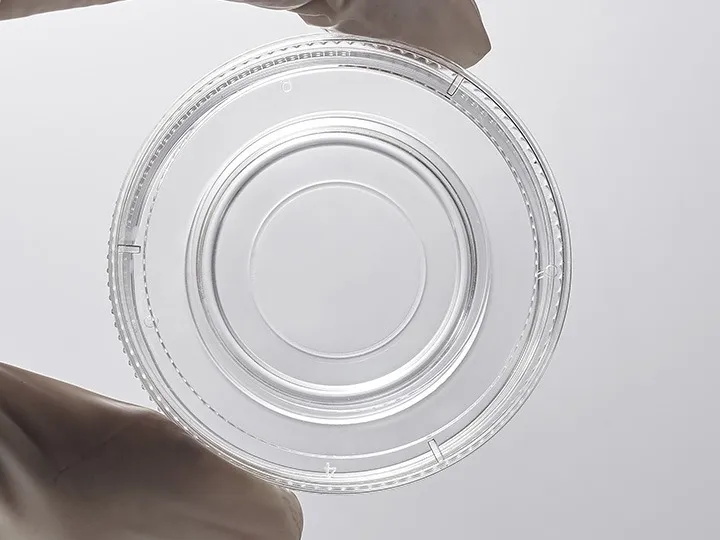
A cell culture dish is a sterile laboratory container designed specifically for growing and maintaining cells outside their natural environment. These essential tools enable scientists to study cell behavior, test new medicines, and conduct groundbreaking research. Moreover, the global demand for cell culture dishes continues to grow rapidly as biotechnology advances. But what makes these simple-looking dishes so important for modern science?
Key Takeaways: Cell Culture Dish Market & Applications
| Market Metric | Value | Year |
|---|---|---|
| Global Cell Culture Market Size | $29.25 billion | 2024 |
| Projected Market Size | $77.25 billion | 2034 |
| Market Growth Rate (CAGR) | 10.20% | 2024-2034 |
| Cell Culture Dish Market | $454.8 million | 2030 |
| Common Dish Sizes | 35mm, 60mm, 100mm | Standard |
| Primary Applications | Laboratory, Hospital, Research | Current |
What Is a Cell Culture Dish and Why Does It Matter?
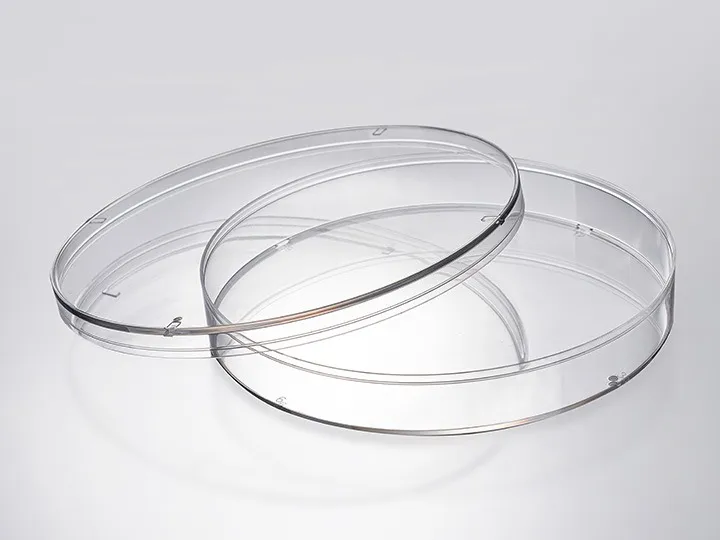
A cell culture dish is a shallow, sterile container made from either glass or plastic materials that provides an optimal environment for cell growth. Unlike regular dishes, these specialized containers feature smooth surfaces and precise dimensions. Furthermore, they undergo strict sterilization processes to prevent contamination.
Cell culture dishes play a crucial role in:
- Medical research and drug development
- Cancer studies and treatment testing
- Vaccine production and quality control
- Stem cell research and therapy development
- Food safety testing and quality assurance
The growing importance of these dishes reflects in market statistics. According to recent data, the global cell culture market size is calculated at USD 29.25 billion in 2024 and is projected to hit around USD 77.25 billion by 2034 with a CAGR of 10.20%.
How Do Different Types of Cell Culture Dishes Work?
Cell culture dishes come in various types including standard plastic dishes, glass dishes, and specialty coated dishes, each designed for specific research applications. The choice depends on your experiment requirements and cell types. Additionally, different materials offer unique advantages for different research needs.
Standard Plastic Cell Culture Dishes
Most laboratories use polystyrene (PS) plastic dishes because they offer:
- Cost-effective solutions for routine work
- Excellent transparency for microscopic observation
- Disposable convenience that reduces contamination risk
- Consistent quality across batches
Glass Cell Culture Dishes
Glass dishes provide superior benefits for specialized applications:
- Chemical resistance for harsh treatments
- Reusable nature that reduces long-term costs
- Heat resistance for sterilization procedures
- Premium optical clarity for detailed imaging
Coated Cell Culture Dishes
Specialty coated dishes enhance cell attachment through:
- Collagen coating for primary cell cultures
- Poly-L-lysine coating for neural cell studies
- Fibronectin coating for stem cell research
- Laminin coating for epithelial cell work
What Sizes of Cell Culture Dishes Should You Choose?
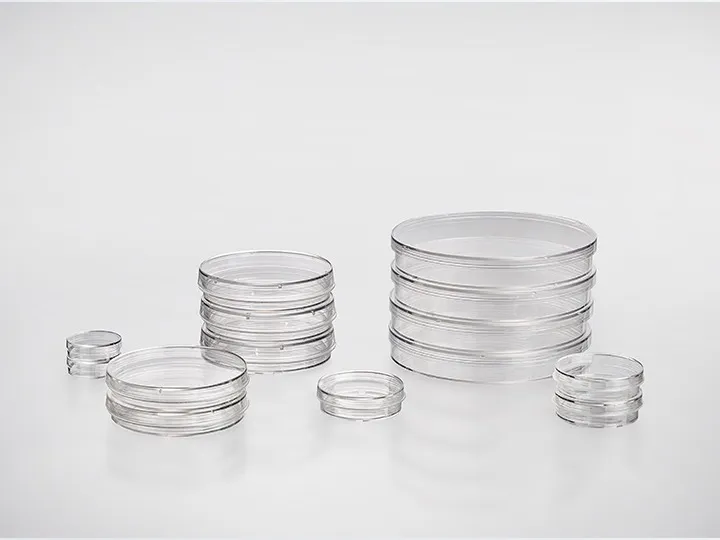
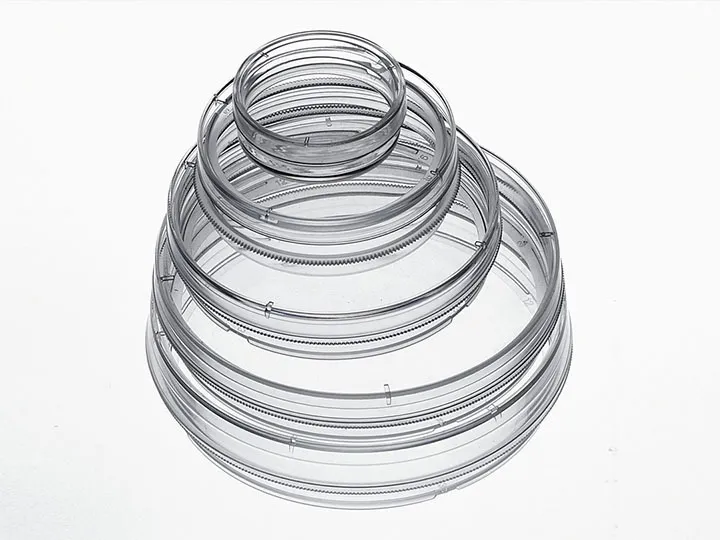
The most common cell culture dish sizes are 35mm, 60mm, and 100mm in diameter, with each size serving different experimental needs. Smaller dishes work well for limited samples, while larger dishes accommodate extensive cell populations. Therefore, selecting the right size directly impacts your research efficiency and cost-effectiveness.
Size Selection Guide
| Dish Size | Surface Area | Best Applications | Cell Count Range |
|---|---|---|---|
| 35mm | 8.8 cm² | Small-scale experiments, imaging | 50,000 – 200,000 cells |
| 60mm | 21.2 cm² | Medium experiments, routine culture | 200,000 – 800,000 cells |
| 100mm | 55.4 cm² | Large-scale culture, cell expansion | 800,000 – 3,000,000 cells |
| 150mm | 145.3 cm² | Mass production, commercial use | 3,000,000+ cells |
Pro tip: Start with 60mm dishes for most experiments, then scale up or down based on your specific needs.
How Do You Properly Use Cell Culture Dishes?
Proper cell culture dish usage involves sterile handling, appropriate media preparation, and controlled environmental conditions to ensure successful cell growth. Following established protocols prevents contamination and ensures reproducible results. Subsequently, proper technique becomes the foundation of reliable research outcomes.
Step-by-Step Usage Protocol
- Sterilization Process
- Use UV light treatment for 30 minutes
- Alternatively, autoclave at 121°C for 15 minutes
- Store in sterile packaging until use
- Media Preparation
- Add appropriate culture medium volume
- Include necessary growth factors and supplements
- Maintain proper pH levels (typically 7.2-7.4)
- Cell Seeding
- Calculate optimal cell density for your dish size
- Distribute cells evenly across the surface
- Allow cells to settle for 4-6 hours before handling
- Incubation Conditions
- Maintain temperature at 37°C for mammalian cells
- Provide 5% CO₂ atmosphere
- Monitor humidity levels (95% relative humidity)
What Are the Main Applications of Cell Culture Dishes?
Cell culture dishes serve critical roles in pharmaceutical research, medical diagnostics, biotechnology development, and academic studies across multiple scientific disciplines. These versatile tools enable researchers to conduct controlled experiments that would be impossible in living organisms. Moreover, they provide consistent and reproducible conditions for scientific investigation.
Research Applications
Pharmaceutical Industry:
- Drug screening and toxicity testing
- Vaccine development and production
- Biomarker discovery and validation
- Therapeutic protein production
Medical Diagnostics:
- Pathogen identification and sensitivity testing
- Cancer cell analysis and treatment response
- Genetic disorder studies and gene therapy
- Personalized medicine development
Biotechnology Sector:
- Enzyme production and purification
- Biosensor development and testing
- Synthetic biology applications
- Biofuel research and development
Commercial Applications
The market data shows significant growth across various sectors. Global cell culture plates market size is expected to reach $2.8 Bn by 2028 at a rate of 5.3%, segmented as by type, standard cell culture plates, coated cell culture plates, specialty cell culture plates.
How Do You Maintain and Store Cell Culture Dishes?
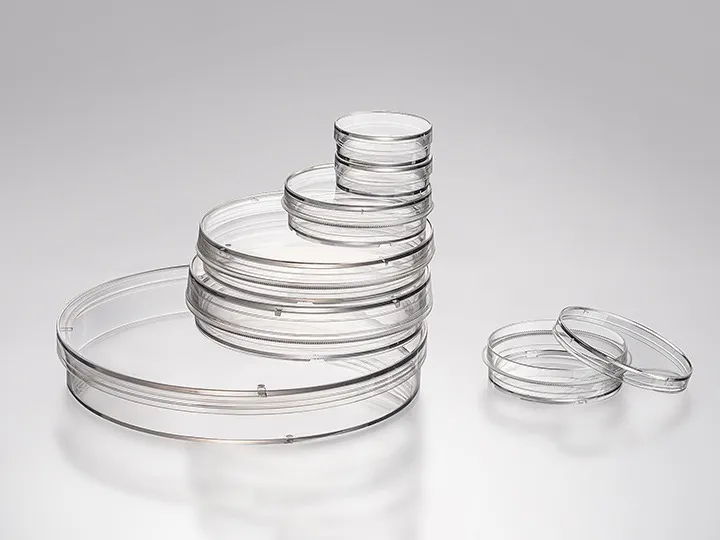
Proper maintenance of cell culture dishes requires regular cleaning, appropriate storage conditions, and quality control measures to ensure optimal performance. Clean storage prevents contamination, while proper handling maintains dish integrity. Additionally, following manufacturer guidelines extends dish lifespan and reliability.
Storage Best Practices
- Temperature control: Store at room temperature (15-25°C)
- Humidity management: Keep in dry environments (less than 70% humidity)
- Light protection: Avoid direct sunlight exposure
- Stack carefully: Use original packaging to prevent scratches
- Regular inspection: Check for cracks or defects before use
Quality Control Measures
- Visual Inspection
- Check for surface scratches or imperfections
- Ensure lid fits properly without gaps
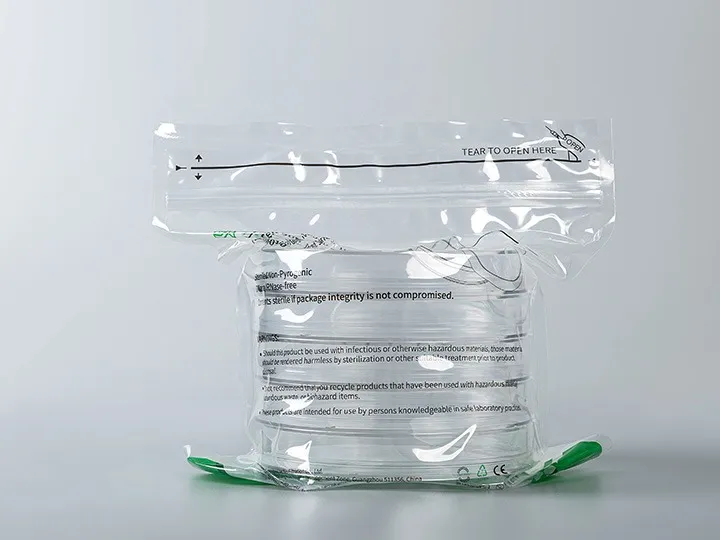
- Verify sterility packaging is intact
- Performance Testing
- Conduct cell attachment assays periodically
- Monitor cell growth rates and morphology
- Compare results with established standards
What Common Problems Occur with Cell Culture Dishes?
The most frequent cell culture dish problems include contamination, poor cell attachment, uneven growth patterns, and physical damage to dish surfaces. Understanding these issues helps researchers troubleshoot effectively and maintain experimental quality. Furthermore, preventive measures can eliminate most common problems before they affect results.
Troubleshooting Guide
| Problem | Possible Causes | Solutions |
|---|---|---|
| Contamination | Poor sterile technique | Improve aseptic handling procedures |
| Poor cell attachment | Wrong surface coating | Use appropriate surface treatment |
| Uneven growth | Incorrect seeding density | Optimize cell concentration |
| Cracked dishes | Thermal shock | Allow gradual temperature changes |
| Cloudy medium | pH imbalance | Check and adjust medium pH |
Prevention Strategies
- Maintain strict sterile techniques throughout all procedures
- Use proper personal protective equipment (gloves, lab coats, face masks)
- Regular equipment calibration ensures consistent conditions
- Staff training programs improve technique consistency
- Environmental monitoring prevents contamination sources
How Do Cell Culture Dishes Compare to Other Culture Vessels?
Cell culture dishes differ from flasks, plates, and tubes in surface area, volume capacity, and specific applications, making each vessel type optimal for different research needs. While dishes excel in observation and small-scale work, other vessels serve specialized purposes. Therefore, understanding these differences helps researchers choose appropriate tools.
Comparison Table
| Vessel Type | Surface Area | Volume | Best Use | Cost |
|---|---|---|---|---|
| Culture Dishes | Small to Medium | 2-25 mL | Microscopy, small experiments | Low |
| Culture Flasks | Large | 5-500 mL | Cell expansion, storage | Medium |
| Multi-well Plates | Variable | 0.1-10 mL per well | High-throughput screening | High |
| Culture Tubes | Small | 1-50 mL | Suspension cultures | Low |
When to Choose Cell Culture Dishes
Select cell culture dishes when you need:
- Easy microscopic observation and imaging
- Simple handling and manipulation
- Cost-effective solutions for routine work
- Flexible experimental design options
- Quick setup and cleanup procedures
What Future Trends Are Shaping Cell Culture Dishes?
Future cell culture dish development focuses on sustainability, smart technology integration, and specialized surface modifications to meet evolving research demands. Environmental concerns drive innovation toward biodegradable materials and reduced waste. Meanwhile, technology integration promises enhanced monitoring and control capabilities.
Emerging Innovations
Sustainable Materials:
- Biodegradable plastic alternatives
- Recyclable manufacturing processes
- Reduced material usage designs
- Environmental impact assessments
Smart Technology Integration:
- Built-in sensors for pH and oxygen monitoring
- Wireless data transmission capabilities
- Automated feeding and harvesting systems
- Real-time growth tracking features
Advanced Surface Modifications:
- Nanotextured surfaces for enhanced cell attachment
- Gradient coatings for cell migration studies
- Bioactive surface functionalization
- Customizable surface properties
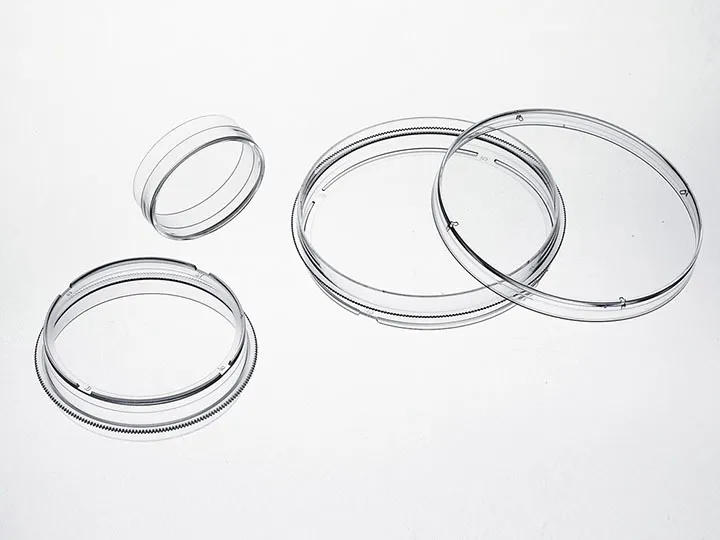
Research shows innovative approaches to reduce waste. A new cell culture dish that offers a culture area equivalent to three petri dishes but that is on average 61% lighter and occupies 67% less volume demonstrates the industry’s commitment to sustainability.
Frequently Asked Questions About Cell Culture Dishes
Can I Reuse Cell Culture Dishes?
Glass cell culture dishes can be reused after proper sterilization, while plastic dishes are typically designed for single use only. Reusing plastic dishes risks contamination and surface degradation. However, glass dishes withstand multiple sterilization cycles when handled carefully.
What’s the Difference Between Cell Culture Dishes and Petri Dishes?
Cell culture dishes are specifically designed for mammalian cell growth with treated surfaces, while Petri dishes are general-purpose containers often used for bacterial culture. Cell culture dishes feature specialized surface treatments that promote cell attachment. Additionally, they undergo stricter quality control processes.
How Long Can Cells Survive in Culture Dishes?
Most cells can survive in culture dishes for 3-7 days with proper media and environmental conditions, though some cell lines can be maintained longer. Primary cells typically have shorter lifespans than immortalized cell lines. Moreover, regular media changes extend survival time significantly.
What Temperature Should I Store Cell Culture Dishes?
Store unused cell culture dishes at room temperature (15-25°C) in their original packaging to maintain sterility and prevent damage. Extreme temperatures can cause plastic deformation or packaging damage. Furthermore, consistent temperature prevents condensation that could compromise sterility.
How Do I Know if My Cell Culture Dish is Contaminated?
Signs of contamination include cloudy media, unusual odors, visible particles, pH changes, and abnormal cell morphology under microscopic examination. Bacterial contamination often causes rapid pH changes and media cloudiness. In contrast, fungal contamination appears as visible growth patterns.
Can I Use Regular Dishes Instead of Cell Culture Dishes?
Regular dishes lack the sterility, surface treatments, and material specifications required for successful cell culture applications. Cell culture dishes undergo specialized manufacturing processes that ensure biocompatibility. Therefore, using regular dishes typically results in poor cell attachment and growth.
Conclusion: Choosing the Right Cell Culture Dish for Success
Cell culture dishes remain fundamental tools in modern biological research and biotechnology applications. With the market projected to reach significant growth in coming years, these essential laboratory tools continue evolving to meet researcher needs.
Key takeaways for selecting cell culture dishes:
- Choose appropriate sizes based on experimental scale
- Consider surface treatments for specific cell types
- Maintain proper storage and handling procedures
- Follow sterile techniques throughout all procedures
- Stay informed about new innovations and improvements
Whether you’re conducting basic research, developing new treatments, or working in quality control, the right cell culture dish makes the difference between success and failure. By understanding the options available and following best practices, you can ensure optimal results for your cell culture applications.
Ready to upgrade your cell culture capabilities? Explore our premium selection of cell culture dishes and laboratory supplies at OBO Biology Tech for reliable, high-quality solutions that support your research goals.
Factory-direct price and responsive service-get in touch for a quick quote.Buyer Quick Reference for Cell Culture Dish: Your How to Choose Laboratory Success
For B2B buyers, Cell Culture Dish: Your How to Choose Laboratory Success should be evaluated by application fit, material, sterility, packaging, documentation, reorder stability, and supplier communication. The best choice is the product that protects lab workflow reliability while remaining practical for repeated purchasing.
| Buying Factor | What to Check | Why It Matters |
|---|---|---|
| Application fit | Match the product to research, diagnostic, hospital, biotech, food testing, or distributor use. | Prevents overbuying, under-specifying, or selecting a format that does not fit the workflow. |
| Material and design | Confirm resin, surface, cap, seal, size, compatibility, and handling details. | Small specification differences can affect accuracy, contamination control, or user acceptance. |
| Sterility and cleanliness | Check sterile, non-sterile, DNase/RNase-free, non-pyrogenic, or gamma-irradiated options where relevant. | Cleanliness requirements vary widely between routine teaching labs and sensitive molecular or cell culture work. |
| Packaging | Review bagged, racked, individually wrapped, bulk carton, and OEM/private label options. | Packaging affects workflow speed, storage space, shipping cost, and distributor resale. |
| Supplier support | Ask for samples, product codes, carton details, lead time, MOQ, and repeat-order consistency. | Reliable supply is essential for labs that cannot pause work because a consumable is out of stock. |
How This Product Fits OBObio Lab Consumables Sourcing
OBObio positions this topic within a broader laboratory consumables sourcing plan, including cell culture flasks, shake flasks, culture bottles, treated surfaces, vented caps, and sterile cultureware. Buyers can use one supplier conversation to compare related products, packaging formats, and sample options.
For laboratories, this reduces the risk of mismatched supplies. For distributors, it helps build a more complete catalog with consistent documentation and packaging. For first-time buyers, the practical path is to request samples, test the product in the real workflow, and then confirm carton quantity, lead time, and repeat-order pricing.
When sending an inquiry, include the application, expected quantity, destination country, sterile requirement, packaging preference, and any certification or documentation needs. Clear requirements help OBObio recommend the right product faster instead of giving a generic quote.
Supplier Evaluation Checklist
- Does the supplier understand the real laboratory application, not only the product name?
- Can the supplier provide samples before a bulk order?
- Are product specifications, carton quantity, MOQ, and lead time clear?
- Can the supplier support related consumables for one-stop procurement?
- Is OEM or private label packaging available for distributors?
- Can the same specification be supplied consistently for repeat orders?
FAQ: Cell Culture Dish: Your How to Choose Laboratory Success
What should buyers check first?
Buyers should first define the application, required specification, sterility level, packaging format, and expected order quantity. These details determine whether a standard item is enough or whether a more specific supply option is needed.
Is the lowest price always the best option?
No. For laboratory consumables, product failure, contamination, leakage, poor fit, or unstable supply can cost more than a small unit-price difference. Buyers should balance price with consistency, documentation, and supplier responsiveness.
Can distributors request OEM packaging?
Yes. Many distributors need private label cartons, product labels, and stable carton specifications. MOQ, artwork, label language, and lead time should be confirmed before placing the first bulk order.
Why work with a broader
A broader supplier can help buyers coordinate related products, reduce communication work, consolidate shipments, and build a more reliable procurement plan for routine lab operations.
Request Pricing or Samples
Tell us the product type, quantity, destination country, and any packaging or certification requirements. OBObio will reply with suitable lab consumables options.