
Serum tubes are specialized blood collection containers designed to separate serum from whole blood through clotting and centrifugation processes. These essential laboratory tools enable accurate diagnostic testing by providing clear, cell-free serum samples for biochemical analysis and immunoassays. What makes these tubes so crucial for modern healthcare diagnostics?
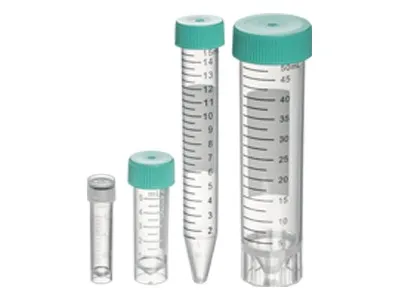
Key Statistics: Serum Tube Market Overview
| Market Segment | 2024 Value | 2032/2033 Projection | Growth Rate (CAGR) |
|---|---|---|---|
| Global Serum Market | $1.57 Billion | $3.37 Billion | 10% |
| Serum Separation Gel Market | $7.7 Billion | Not specified | 5.9% |
| Laboratory Diagnostics Market | Growing significantly | Expanding rapidly | 7-10% average |
Source: Multiple industry reports 2024-2025
What Exactly Are Serum Tubes and How Do They Work?
Serum tubes are vacuum-sealed blood collection containers that contain clot activators to promote blood coagulation. After blood collection, the tubes are centrifuged to separate serum from clotted blood cells, producing clear serum for laboratory testing. These tubes typically feature gel barriers that physically separate serum from cellular components.
Types of Serum Tubes Available Today
Red Top Tubes (Plain Serum Tubes)
- No additives or anticoagulants
- Natural clotting occurs over 30-60 minutes
- Ideal for basic chemistry panels and serology tests
Gold/Tiger Top Tubes (SST – Serum Separator Tubes)
- Contains clot activator and gel separator
- Faster processing time (15-30 minutes)
- Most commonly used in clinical laboratories
Rapid Serum Tubes (RST)
- Enhanced clot activators for quicker processing
- Results available in 5-15 minutes
- Perfect for emergency testing situations
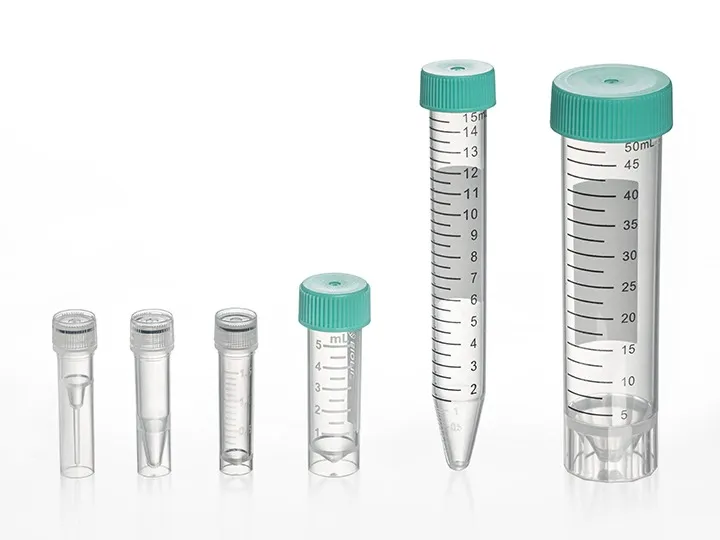
disposable serum tube 5
Why Do Laboratories Choose Serum Over Plasma Testing?
Serum provides more accurate results for many biochemical tests because it contains no anticoagulants that might interfere with analysis. Additionally, serum tubes eliminate the risk of anticoagulant contamination and provide longer sample stability for most chemistry tests. This makes serum the preferred sample type for routine diagnostics.
Common Laboratory Tests Using Serum Tubes
- Liver Function Tests (LFTs)
- ALT, AST, bilirubin measurements
- Albumin and protein analysis
- Cardiac Markers
- Troponin levels for heart attack diagnosis
- CK-MB enzyme testing
- Lipid Panels
- Cholesterol and triglyceride measurements
- HDL and LDL analysis
- Hormone Testing
- Thyroid function tests (TSH, T3, T4)
- Reproductive hormone analysis
- Immunology Tests
- Antibody detection and quantification
- Allergy testing panels
How to Properly Collect Blood Using Serum Tubes?
Proper serum tube collection requires following the correct order of draw, filling tubes to at least 60% capacity, and allowing adequate clotting time before centrifugation. The standard clotting time is 30-60 minutes at room temperature for optimal serum separation. Following these steps ensures reliable test results.
Step-by-Step Collection Process
- Preparation Phase
- Verify patient identity and test orders
- Select appropriate serum tube based on tests requested
- Ensure tube is within expiration date
- Collection Technique
- Use proper venipuncture technique
- Fill tube to minimum 60% capacity
- Gently invert tube 5-8 times after collection
- Processing Steps
- Allow blood to clot at room temperature
- Centrifuge at appropriate speed (typically 3000 RPM)
- Transfer serum to labeled storage container
What Are the Most Common Serum Tube Collection Errors?
The most frequent serum tube errors include underfilling tubes, inadequate clotting time, and improper centrifugation procedures. These mistakes can lead to hemolyzed samples, insufficient serum volume, and inaccurate test results. Up to 70 percent of laboratory medical errors occur during the pre-analytical phase of patient testing.
Error Prevention Strategies
- Volume Requirements: Always fill tubes to at least 60% capacity
- Timing Issues: Allow proper clotting time before processing
- Mixing Techniques: Gentle inversion prevents hemolysis
- Storage Conditions: Maintain appropriate temperature control
Which Color Tubes Should You Use for Serum Collection?
Red top tubes are used for basic serum collection, while gold or tiger top tubes (SST) contain gel separators for easier processing. The choice depends on your laboratory’s workflow and the specific tests being performed. Each color coding system follows international standards for consistency.
Serum Tube Color Guide
| Tube Color | Additives | Primary Use | Processing Time |
|---|---|---|---|
| Red | None | Basic serum tests | 30-60 minutes |
| Gold/Tiger | Clot activator + gel | Routine chemistry | 15-30 minutes |
| Yellow | Clot activator | Special chemistry | 20-45 minutes |
When Should You Avoid Using Serum Tubes?
Serum tubes should not be used for coagulation studies, complete blood counts, or tests requiring anticoagulated samples. Additionally, certain medications and conditions can affect clotting time, making plasma samples more appropriate. Understanding these limitations prevents diagnostic errors.
Alternative Sample Types
- EDTA Plasma: For hematology testing
- Heparin Plasma: For emergency chemistry panels
- Citrate Plasma: For coagulation studies
- Whole Blood: For blood gas analysis
How Long Can Serum Samples Be Stored?
Most serum samples remain stable for 24-48 hours at refrigerated temperatures (2-8°C) and up to 6 months when frozen at -20°C. However, storage requirements vary significantly depending on the specific analyte being tested. Proper storage prevents sample degradation and ensures accurate results.
Storage Guidelines by Test Type
- Routine Chemistry: 2-8°C for 7 days
- Hormone Tests: -20°C for extended storage
- Tumor Markers: Immediate processing preferred
- Immunology: Various requirements by specific test
What Quality Control Measures Ensure Serum Tube Reliability?
Quality control for serum tubes includes regular lot testing, proper storage conditions, and adherence to manufacturer specifications. Laboratories must also monitor centrifuge performance and validate separation efficiency. These measures maintain testing accuracy and patient safety.
Essential QC Checkpoints
- Pre-analytical Phase
- Tube integrity inspection
- Expiration date verification
- Proper storage temperature monitoring
- Analytical Phase
- Centrifuge calibration checks
- Serum quality assessment
- Volume adequacy confirmation
- Post-analytical Phase
- Result verification procedures
- Sample stability monitoring
- Documentation requirements
Why Are Serum Separating Tubes Becoming More Popular?
Serum separating tubes (SST) are gaining popularity because they reduce processing time, minimize sample handling, and decrease contamination risk. The Serum Separating Tubes Market is poised to reach USD 1.8 billion by 2026, growing at a CAGR of approximately 7.3%. This growth reflects their efficiency advantages.
Benefits of SST Technology
- Faster Turnaround Times: Reduced processing by 50%
- Better Sample Quality: Cleaner serum separation
- Reduced Labor Costs: Less manual handling required
- Improved Safety: Fewer exposure risks for technicians
Frequently Asked Questions About Serum Tubes
Can you use expired serum tubes for blood collection?
Never use expired serum tubes as the vacuum may be compromised and additives may have degraded. Expired tubes can lead to incomplete blood draws and unreliable test results. Always check expiration dates before use and maintain proper inventory rotation.
What happens if you don’t fill a serum tube completely?
Underfilled serum tubes result in incorrect blood-to-additive ratios, which can affect clotting and test accuracy. Most tubes require at least 60% fill volume for optimal performance. Insufficient blood volume may also provide inadequate serum for all requested tests.
How do you know if a serum sample is hemolyzed?
Hemolyzed serum appears pink or red due to broken red blood cells releasing hemoglobin. This occurs from rough handling, improper needle size, or processing errors. Hemolyzed samples must be recollected as they interfere with many laboratory tests.
Why do some serum tubes have gel and others don’t?
Gel-containing tubes (SST) provide physical separation between serum and clotted blood cells, while plain tubes require manual serum transfer. The gel barrier prevents cellular contamination and allows longer storage without separation. Choose based on your laboratory’s workflow needs.
What’s the difference between serum and plasma tubes?
Serum tubes contain clot activators to promote coagulation, while plasma tubes contain anticoagulants to prevent clotting. Serum is obtained after clotting and centrifugation, whereas plasma is separated from unclotted blood. Each sample type is suited for different laboratory tests.
Can serum tubes be reused or recycled?
Serum tubes are single-use medical devices and should never be reused due to contamination risks. Used tubes must be disposed of according to biohazardous waste regulations. Some manufacturers offer recycling programs for unused, expired tubes.
How long should blood clot in serum tubes before centrifugation?
Blood in serum tubes should clot for 30-60 minutes at room temperature before centrifugation. Insufficient clotting time results in fibrin formation and poor serum quality. Some rapid serum tubes require only 15-30 minutes clotting time.
What centrifuge speed is recommended for serum tubes?
Most serum tubes require centrifugation at 3000-3500 RPM for 10-15 minutes. Higher speeds may cause hemolysis, while lower speeds provide incomplete separation. Always follow manufacturer recommendations and validate centrifuge settings regularly.
Conclusion: Maximizing Laboratory Efficiency with Proper Serum Tube Selection
Serum tubes represent a fundamental component of modern laboratory diagnostics, enabling accurate and reliable test results across numerous medical applications. By understanding the different types available, proper collection techniques, and quality control measures, healthcare professionals can ensure optimal patient care through precise diagnostic testing.
The growing market for serum tubes, particularly serum separating tubes, reflects the ongoing evolution toward more efficient laboratory workflows. As technology continues advancing, these essential tools will undoubtedly become even more sophisticated, further improving diagnostic accuracy and patient outcomes.
Whether you’re a laboratory professional, healthcare provider, or simply interested in medical diagnostics, understanding serum tubes helps appreciate the complexity and precision required for modern healthcare delivery. Proper selection, collection, and processing of serum samples remains critical for maintaining the highest standards of patient care.
For high-quality serum tubes and laboratory supplies, visit OBO Biology – your trusted partner in laboratory diagnostics and biotechnology solutions.
Join our global clients who trust OBObio. Reach out to discuss your needs.Buyer Quick Reference for The How to Choose Serum Tubes: What Every Laboratory Professional Needs to Know?
For B2B buyers, The How to Choose Serum Tubes: What Every Laboratory Professional Needs to Know? should be evaluated by application fit, material, sterility, packaging, documentation, reorder stability, and supplier communication. The best choice is the product that protects lab workflow reliability while remaining practical for repeated purchasing.
| Buying Factor | What to Check | Why It Matters |
|---|---|---|
| Application fit | Match the product to research, diagnostic, hospital, biotech, food testing, or distributor use. | Prevents overbuying, under-specifying, or selecting a format that does not fit the workflow. |
| Material and design | Confirm resin, surface, cap, seal, size, compatibility, and handling details. | Small specification differences can affect accuracy, contamination control, or user acceptance. |
| Sterility and cleanliness | Check sterile, non-sterile, DNase/RNase-free, non-pyrogenic, or gamma-irradiated options where relevant. | Cleanliness requirements vary widely between routine teaching labs and sensitive molecular or cell culture work. |
| Packaging | Review bagged, racked, individually wrapped, bulk carton, and OEM/private label options. | Packaging affects workflow speed, storage space, shipping cost, and distributor resale. |
| Supplier support | Ask for samples, product codes, carton details, lead time, MOQ, and repeat-order consistency. | Reliable supply is essential for labs that cannot pause work because a consumable is out of stock. |
How This Product Fits OBObio Lab Consumables Sourcing
OBObio positions this topic within a broader laboratory consumables sourcing plan, including centrifuge tubes, microcentrifuge tubes, cryogenic vials, sample storage tubes, and tube racks. Buyers can use one supplier conversation to compare related products, packaging formats, and sample options.
For laboratories, this reduces the risk of mismatched supplies. For distributors, it helps build a more complete catalog with consistent documentation and packaging. For first-time buyers, the practical path is to request samples, test the product in the real workflow, and then confirm carton quantity, lead time, and repeat-order pricing.
When sending an inquiry, include the application, expected quantity, destination country, sterile requirement, packaging preference, and any certification or documentation needs. Clear requirements help OBObio recommend the right product faster instead of giving a generic quote.
Supplier Evaluation Checklist
- Does the supplier understand the real laboratory application, not only the product name?
- Can the supplier provide samples before a bulk order?
- Are product specifications, carton quantity, MOQ, and lead time clear?
- Can the supplier support related consumables for one-stop procurement?
- Is OEM or private label packaging available for distributors?
- Can the same specification be supplied consistently for repeat orders?
FAQ: The How to Choose Serum Tubes: What Every Laboratory Professional Needs to Know?
What should buyers check first?
Buyers should first define the application, required specification, sterility level, packaging format, and expected order quantity. These details determine whether a standard item is enough or whether a more specific supply option is needed.
Is the lowest price always the best option?
No. For laboratory consumables, product failure, contamination, leakage, poor fit, or unstable supply can cost more than a small unit-price difference. Buyers should balance price with consistency, documentation, and supplier responsiveness.
Can distributors request OEM packaging?
Yes. Many distributors need private label cartons, product labels, and stable carton specifications. MOQ, artwork, label language, and lead time should be confirmed before placing the first bulk order.
Why work with a broader
A broader supplier can help buyers coordinate related products, reduce communication work, consolidate shipments, and build a more reliable procurement plan for routine lab operations.
Request Pricing or Samples
Tell us the product type, quantity, destination country, and any packaging or certification requirements. OBObio will reply with suitable lab consumables options.