
An ultrafiltration centrifuge tube is a specialized laboratory device that combines centrifugal force with membrane filtration to separate, concentrate, and purify biomolecules based on their molecular weight. These tubes use molecular weight cut-off (MWCO) membranes to effectively filter proteins, DNA, and other macromolecules while removing smaller contaminants and excess solvents.
What makes ultrafiltration centrifuge tubes so essential for modern laboratory research? Let’s explore everything you need to know about these powerful filtration tools.
Quick Reference: Ultrafiltration Centrifuge Tube Market & Applications
| Market Metric | 2024 Value | 2030 Forecast | Growth Rate |
|---|---|---|---|
| Global Ultrafiltration Market | $2.88 billion | $3.89 billion | 5.2% CAGR |
| Centrifuge Tubes Market | $1.93 billion | $4.93 billion | 4.5% CAGR |
| North America Market Share | 45% | Leading region | Stable growth |
| Key Applications | Protein concentration, DNA purification, Buffer exchange | Expanding to diagnostics | +15% annually |
What Is an Ultrafiltration Centrifuge Tube and How Does It Work?
An ultrafiltration centrifuge tube works by spinning samples at high speeds (up to 16,000 × g) through a semi-permeable membrane that allows small molecules to pass while retaining larger ones. The centrifugal force pushes liquid through the membrane, leaving concentrated biomolecules in the upper chamber.
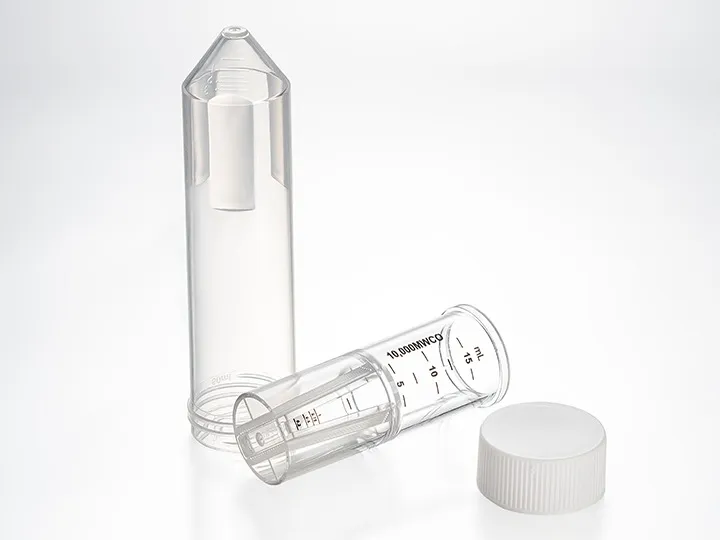
The basic principle involves three key components:
- Filter membrane with specific molecular weight cut-off (MWCO)
- Collection tube for filtrate removal
- Sample chamber for concentrated biomolecules
Furthermore, these tubes typically feature polyethersulfone (PES) or cellulose membranes. Additionally, most ultrafiltration centrifuge tubes are designed for single-use applications to prevent cross-contamination.
Which Applications Benefit Most from Ultrafiltration Centrifuge Tubes?
Ultrafiltration centrifuge tubes excel in protein concentration, buffer exchange, desalting, and DNA/RNA purification applications. These devices are particularly valuable for HPLC sample preparation, antibody purification, and removing unwanted molecules from biological samples.
Primary Laboratory Applications:
- Protein concentration from dilute solutions
- Buffer exchange for downstream applications
- Desalting of macromolecule preparations
- DNA/RNA purification from gel extractions
- HPLC sample preparation and cleanup
- Antibody concentration and purification
Moreover, pharmaceutical research laboratories increasingly rely on these tubes for drug development. Similarly, biotechnology companies use them for quality control testing.
How Do You Choose the Right MWCO for Your Ultrafiltration Centrifuge Tube?
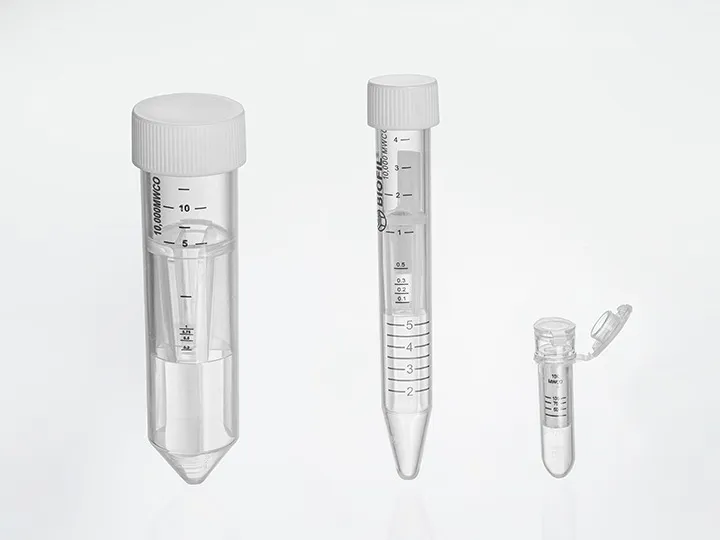
The molecular weight cut-off (MWCO) should be 3-6 times smaller than your target molecule’s molecular weight to ensure effective retention while allowing efficient filtrate passage. Common MWCO options include 3K, 10K, 30K, 50K, and 100K daltons.
MWCO Selection Guidelines:
| Target Molecule | Molecular Weight | Recommended MWCO | Typical Recovery |
|---|---|---|---|
| Small peptides | 1-5 kDa | 3K daltons | 85-95% |
| Proteins | 10-50 kDa | 10K daltons | 90-98% |
| Large proteins | 50-150 kDa | 30K daltons | 88-96% |
| Antibodies | 150+ kDa | 50K daltons | 92-99% |
| DNA fragments | Variable | 100K daltons | 80-95% |
Additionally, consider your sample volume and required concentration factor. Furthermore, always conduct pilot tests to optimize recovery rates.
What Are the Key Advantages of Using Ultrafiltration Centrifuge Tubes?
Ultrafiltration centrifuge tubes offer rapid processing, high recovery rates, and minimal sample handling compared to traditional dialysis methods. They reduce processing time from hours to minutes while maintaining sample integrity and preventing contamination.
Top Benefits Include:
- Speed: Complete concentration in 10-30 minutes
- High recovery: 85-99% depending on application
- Convenience: Single-use, pre-sterilized units
- Versatility: Multiple MWCO options available
- Cost-effective: Lower than automated systems
- Contamination-free: Disposable design prevents cross-contamination
Meanwhile, these tubes eliminate the need for extensive sample transfers. Subsequently, this reduces both contamination risk and sample loss.
How Do Market Trends Affect Ultrafiltration Centrifuge Tube Demand?
The ultrafiltration centrifuge tube market is experiencing robust growth driven by expanding biotechnology research, increased pharmaceutical development, and growing diagnostic applications. The market is projected to reach $4.5 billion by 2034 with a strong CAGR of 5.2%.
Key Market Drivers:
- Rising biopharmaceutical research investments
- Increasing protein therapeutic development
- Expanding diagnostic testing requirements
- Growing academic research funding
- Automation integration in laboratories
Consequently, manufacturers are developing improved membrane materials. Furthermore, Asia-Pacific regions show the fastest growth rates due to expanding research infrastructure.
What Are Common Troubleshooting Issues with Ultrafiltration Centrifuge Tubes?
Common problems include low recovery rates, membrane clogging, and sample foaming. Most issues result from incorrect MWCO selection, excessive centrifugal force, or incompatible buffer conditions.
Frequent Problems and Solutions:
| Issue | Possible Cause | Solution |
|---|---|---|
| Low recovery | Wrong MWCO | Select appropriate cut-off |
| Slow filtration | Membrane clogging | Reduce concentration or speed |
| Sample foaming | High protein concentration | Use anti-foam agents |
| Membrane damage | Excessive force | Follow speed recommendations |
| Poor concentration | Inadequate processing time | Extend centrifugation period |
Therefore, always pre-test new sample types. Additionally, maintain recommended centrifugal speeds to prevent membrane damage.
Which Quality Standards Should Ultrafiltration Centrifuge Tubes Meet?
High-quality ultrafiltration centrifuge tubes should meet ISO 13485 standards for medical devices, be manufactured in cleanroom environments, and provide consistent performance with certified MWCO specifications. Look for tubes with low protein binding and endotoxin-free certification.
Essential Quality Criteria:
- ISO 13485 medical device certification
- Cleanroom manufacturing environment
- Low protein binding (< 5μg/cm²)
- Endotoxin-free materials
- Consistent MWCO performance
- Chemical compatibility testing
Furthermore, reputable suppliers provide detailed certificates of analysis. Moreover, single-use packaging ensures sterility and prevents contamination.
How Do Processing Parameters Affect Ultrafiltration Efficiency?
Optimal ultrafiltration efficiency depends on centrifugal speed, processing time, sample volume, and temperature. Generally, speeds between 1,000-14,000 × g provide the best balance of speed and membrane integrity.
Optimization Guidelines:
- Centrifugal speed: Start with manufacturer recommendations
- Processing time: 10-30 minutes for most applications
- Sample volume: Fill to 80% capacity maximum
- Temperature: Keep samples cold (4°C) when possible
- Buffer compatibility: Check pH and salt concentration
Accordingly, higher speeds increase filtration rates but may damage sensitive molecules. Similarly, excessive processing time can lead to sample dehydration.
What Safety Considerations Apply to Ultrafiltration Centrifuge Tubes?
Safety protocols include proper tube balancing, speed limit adherence, and appropriate personal protective equipment. Always balance tubes within 0.1g and never exceed manufacturer speed ratings to prevent rotor damage or sample accidents.
Critical Safety Measures:
- Proper balancing of centrifuge tubes
- Speed limit compliance to prevent failure
- PPE usage including safety glasses
- Regular equipment maintenance and calibration
- Proper waste disposal of used tubes
- Emergency procedures for spills or breaks
Therefore, train all users on proper protocols. Additionally, maintain regular equipment inspections to ensure safe operation.
Frequently Asked Questions About Ultrafiltration Centrifuge Tubes
Can ultrafiltration centrifuge tubes be reused?
No, ultrafiltration centrifuge tubes are designed for single-use only. Reusing these tubes can lead to cross-contamination, reduced filtration efficiency, and unreliable results. The membrane integrity may be compromised after the first use.
What’s the difference between ultrafiltration and microfiltration centrifuge tubes?
Ultrafiltration tubes have smaller pore sizes (0.001-0.1 μm) compared to microfiltration tubes (0.1-10 μm). Ultrafiltration is designed for separating molecules, while microfiltration removes particles and bacteria.
How long can samples be stored in ultrafiltration centrifuge tubes?
Samples should be processed immediately and not stored in ultrafiltration tubes. For storage, transfer concentrated samples to appropriate storage vessels. The plastic materials aren’t designed for long-term sample storage.
Why do some samples foam during ultrafiltration?
Foaming occurs with high protein concentrations or detergent-containing buffers. Reduce centrifugal speed, use anti-foam agents, or dilute samples before concentration to minimize foaming issues.
Can ultrafiltration centrifuge tubes handle organic solvents?
Most ultrafiltration tubes are designed for aqueous solutions only. Check manufacturer specifications for chemical compatibility. Organic solvents may damage the membrane or plastic components.
What causes membrane breakthrough in ultrafiltration tubes?
Membrane breakthrough results from excessive pressure, wrong MWCO selection, or membrane defects. Always follow speed recommendations and choose appropriate molecular weight cut-offs for your samples.
How do you calculate concentration factors with ultrafiltration tubes?
Concentration factor equals initial volume divided by final volume. For example, concentrating 1mL to 100μL achieves a 10-fold concentration factor. Monitor volumes carefully during processing.
Are ultrafiltration centrifuge tubes suitable for virus concentration?
Yes, with appropriate MWCO selection (typically 100K or 300K daltons). However, virus recovery rates vary significantly. Always validate methods with your specific virus samples.
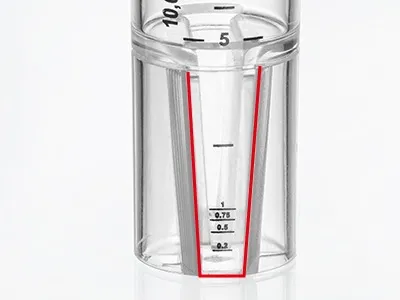
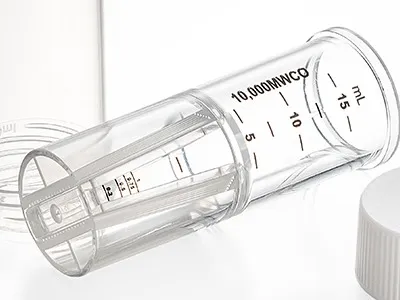
The vertical membrane design reduces concentration polarization and speeds up sample processing
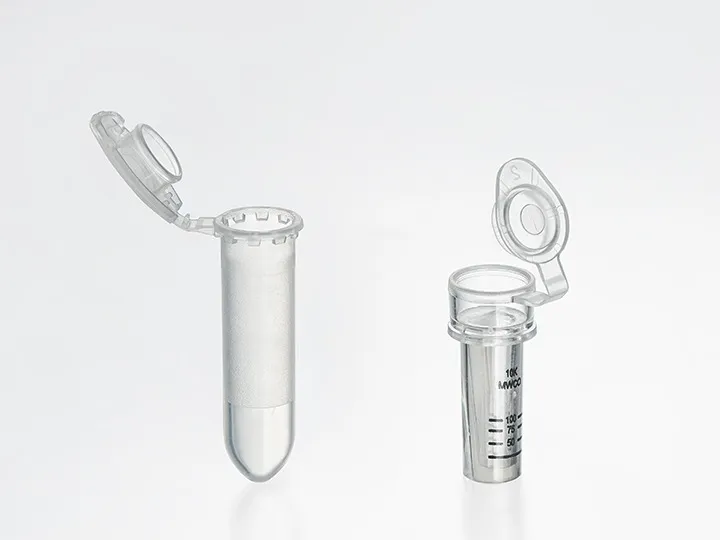
MWCO and volume scale are screen printed on the side of the filter for easy identification
Conclusion: Maximizing Your Ultrafiltration Centrifuge Tube Success
Ultrafiltration centrifuge tubes represent a cornerstone technology for modern laboratory research. With the market expanding rapidly and new applications emerging, these versatile tools continue to evolve.
Success with ultrafiltration centrifuge tubes depends on proper MWCO selection, optimal processing parameters, and adherence to quality standards. Moreover, understanding market trends and safety protocols ensures both effective results and laboratory compliance.
For researchers seeking reliable, efficient biomolecule concentration and purification, ultrafiltration centrifuge tubes offer an unmatched combination of speed, convenience, and performance. Therefore, investing time in proper technique development pays significant dividends in research productivity.
Looking for high-quality ultrafiltration centrifuge tubes for your research? Visit OBO Biology for premium laboratory solutions designed to meet your specific research needs.
Looking for lab supplies or custom solutions? Send us your inquiry now.Buyer Quick Reference for Ultrafiltration Centrifuge Tube: What Every Researcher Needs to Know
For B2B buyers, Ultrafiltration Centrifuge Tube: What Every Researcher Needs to Know should be evaluated by application fit, material, sterility, packaging, documentation, reorder stability, and supplier communication. The best choice is the product that protects lab workflow reliability while remaining practical for repeated purchasing.
| Buying Factor | What to Check | Why It Matters |
|---|---|---|
| Application fit | Match the product to research, diagnostic, hospital, biotech, food testing, or distributor use. | Prevents overbuying, under-specifying, or selecting a format that does not fit the workflow. |
| Material and design | Confirm resin, surface, cap, seal, size, compatibility, and handling details. | Small specification differences can affect accuracy, contamination control, or user acceptance. |
| Sterility and cleanliness | Check sterile, non-sterile, DNase/RNase-free, non-pyrogenic, or gamma-irradiated options where relevant. | Cleanliness requirements vary widely between routine teaching labs and sensitive molecular or cell culture work. |
| Packaging | Review bagged, racked, individually wrapped, bulk carton, and OEM/private label options. | Packaging affects workflow speed, storage space, shipping cost, and distributor resale. |
| Supplier support | Ask for samples, product codes, carton details, lead time, MOQ, and repeat-order consistency. | Reliable supply is essential for labs that cannot pause work because a consumable is out of stock. |
How This Product Fits OBObio Lab Consumables Sourcing
OBObio positions this topic within a broader laboratory consumables sourcing plan, including centrifuge tubes, microcentrifuge tubes, cryogenic vials, sample storage tubes, and tube racks. Buyers can use one supplier conversation to compare related products, packaging formats, and sample options.
For laboratories, this reduces the risk of mismatched supplies. For distributors, it helps build a more complete catalog with consistent documentation and packaging. For first-time buyers, the practical path is to request samples, test the product in the real workflow, and then confirm carton quantity, lead time, and repeat-order pricing.
When sending an inquiry, include the application, expected quantity, destination country, sterile requirement, packaging preference, and any certification or documentation needs. Clear requirements help OBObio recommend the right product faster instead of giving a generic quote.
Supplier Evaluation Checklist
- Does the supplier understand the real laboratory application, not only the product name?
- Can the supplier provide samples before a bulk order?
- Are product specifications, carton quantity, MOQ, and lead time clear?
- Can the supplier support related consumables for one-stop procurement?
- Is OEM or private label packaging available for distributors?
- Can the same specification be supplied consistently for repeat orders?
FAQ: Ultrafiltration Centrifuge Tube: What Every Researcher Needs to Know
What should buyers check first?
Buyers should first define the application, required specification, sterility level, packaging format, and expected order quantity. These details determine whether a standard item is enough or whether a more specific supply option is needed.
Is the lowest price always the best option?
No. For laboratory consumables, product failure, contamination, leakage, poor fit, or unstable supply can cost more than a small unit-price difference. Buyers should balance price with consistency, documentation, and supplier responsiveness.
Can distributors request OEM packaging?
Yes. Many distributors need private label cartons, product labels, and stable carton specifications. MOQ, artwork, label language, and lead time should be confirmed before placing the first bulk order.
Why work with a broader
A broader supplier can help buyers coordinate related products, reduce communication work, consolidate shipments, and build a more reliable procurement plan for routine lab operations.
Request Pricing or Samples
Tell us the product type, quantity, destination country, and any packaging or certification requirements. OBObio will reply with suitable lab consumables options.